
Secondary metals recycling is strategic infrastructure
By Kyriacos Theocharous
Cyprus is often discussed through the lens of tourism, services and geopolitics. But there is another reality, less visible, yet crucial to our economy and to Europe’s climate transition: secondary metals.
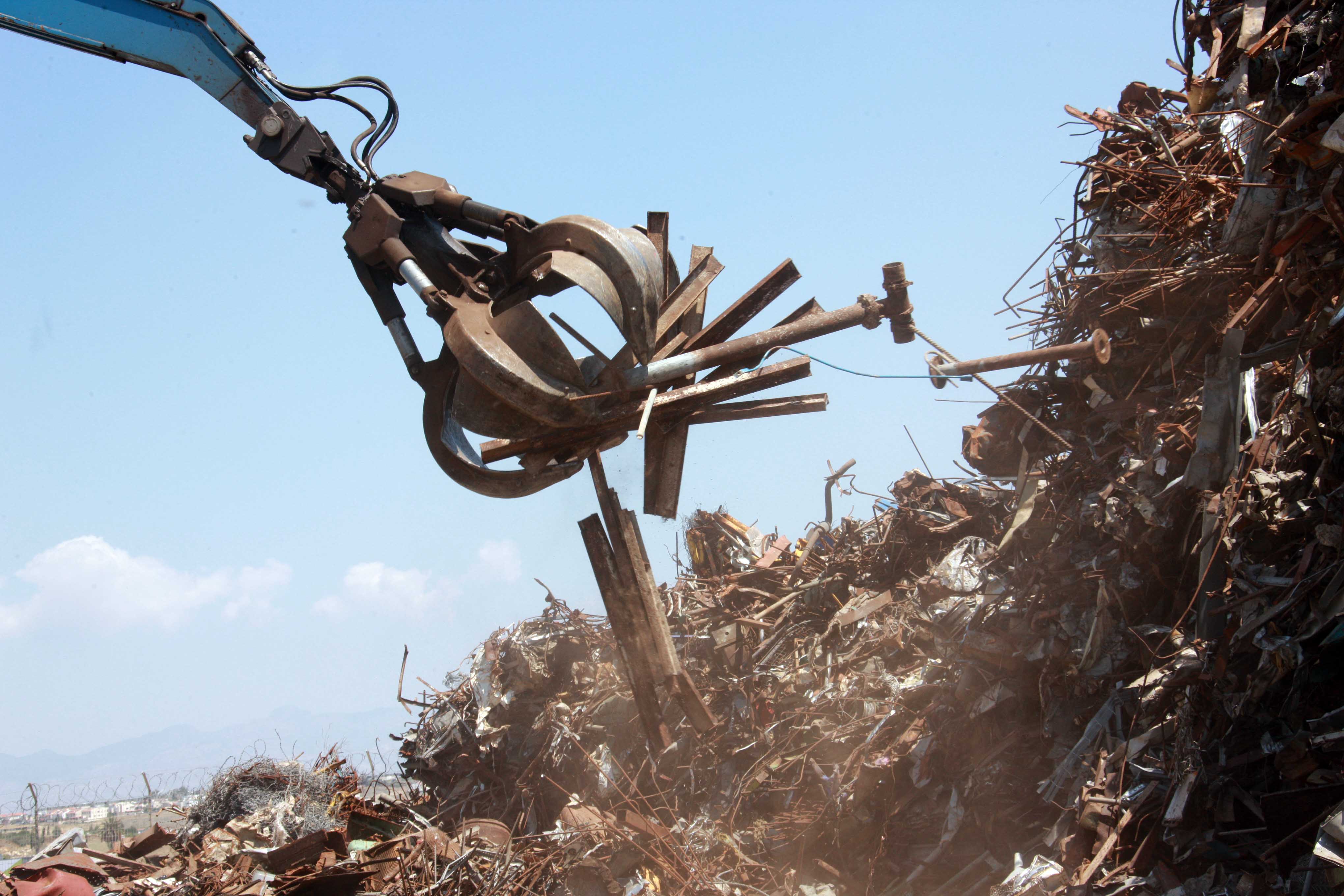
Put simply, the scrap metal we collect is not “waste”. It is industrial feedstock and a strategic resource that can either strengthen Europe’s competitiveness and decarbonisation, or quietly leak away to serve other economies.
Across the European Union, the policy direction is clear. Recycling targets are rising, enforcement on waste shipments is tightening, and secondary raw materials, especially recycled metals, are recognised as essential for industrial decarbonisation and strategic autonomy. Yet at the same time, Europe continues to export large volumes of valuable metal scrap to third countries, often outside the Organisation for Economic Co-operation and Development (OECD), only to import processed metal back at higher cost and with higher embedded emissions.
This is not a theory. It is a self-inflicted supply problem.
When scrap collected inside the EU is exported, Europe loses more than raw material. It loses value added, industrial resilience, jobs and control over its own decarbonisation pathway. It also weakens the very companies expected to deliver Europe’s recycling and climate targets. Companies such as smelters, processors and manufacturers who rely on a stable, local feedstock to plan investments and keep capacity running.
For Cyprus, the impact is magnified. As an island member state, we face structural logistics constraints. If Cyprus exports scrap and later buys back processed products, we pay the full “island penalty”: added transport costs, exposure to volatile freight and shipping disruptions and higher embedded emissions. In a circular economy, that is the opposite of what should happen.
That is why we believe that Europe and Cyprus must treat secondary metals recycling not as a peripheral waste activity, but as strategic industrial infrastructure as important as ports, power grids or water systems are. If Europe is serious about circularity and decarbonisation, it must keep sufficient scrap within the EU and expand compliant domestic treatment capacity.
But there is a second issue that is equally urgent and, frankly, frustrating: how large industrial recycling projects are funded and timed under EU’s Recovery and Resilience Facility (RRF).
Cyprus has flagship industrial initiatives that can materially contribute to Europe’s circular economy. Advanced aluminium recycling projects, such as Zeme Eco Fuels & Alloys Ltd, are capital-intensive, technologically complex and regulated for good reason. They require detailed engineering, made-to-order machinery, international manufacturing lead times, specialised installation and commissioning, strict health and safety systems, environmental permitting, customs clearance, and coordinated oversight by multiple public authorities.
These are not “plug-and-play” projects.
Yet in practice, the implementation conditions often assume that complex installations can be designed, procured, shipped, installed, permitted and commissioned within a rigid 12-month window. That is misaligned with industrial reality. Machinery production and shipping lead times, supply chain volatility, geopolitical disruptions, and permitting timelines are largely outside the control of any single beneficiary. Even when project promoters move quickly and responsibly, administrative processes can consume a significant portion of the available time.
The risk is obvious: Europe may end up “funding” projects on paper that are structurally prevented from maturing and delivering their full environmental and industrial value in practice. That would undermine the very purpose of the RRF and weaken public trust in strategic investment programmes.
What should be done?
First, Cyprus and the EU need coordinated measures that curb scrap leakage and encourage local treatment, upgrading and recycling capacity. Europe cannot meet its climate and industrial targets while allowing essential feedstock to drain out of the system.
Second, the RRF must adopt a more realistic approach for complex industrial projects, especially in peripheral and island member states. Where justified by documented permitting timelines and supply-chain constraints, project-level deadline extensions (for example from 12 to 18 months) should be considered, not as “leniency”, but as a safeguard for delivery, compliance and value for money.
Cyprus has a unique opportunity to lead on this – particularly in the context of its EU presidency. If we want a credible circular economy, we must align policy design, funding conditions and implementation timelines with the realities of industrial delivery.
This is not a special pleading. It is a practical requirement for Europe’s transition to a competitive, decarbonised and circular metals sector…and for Cyprus to play its part without being penalised by geography and bureaucracy.
The question is simple: will Europe build a circular economy that works in the real world, or will we continue exporting our strategic raw materials and importing back the value?
Kyriacos Theocharous is CEO of ZEME Eco Fuels & Alloys Ltd





Click here to change your cookie preferences