
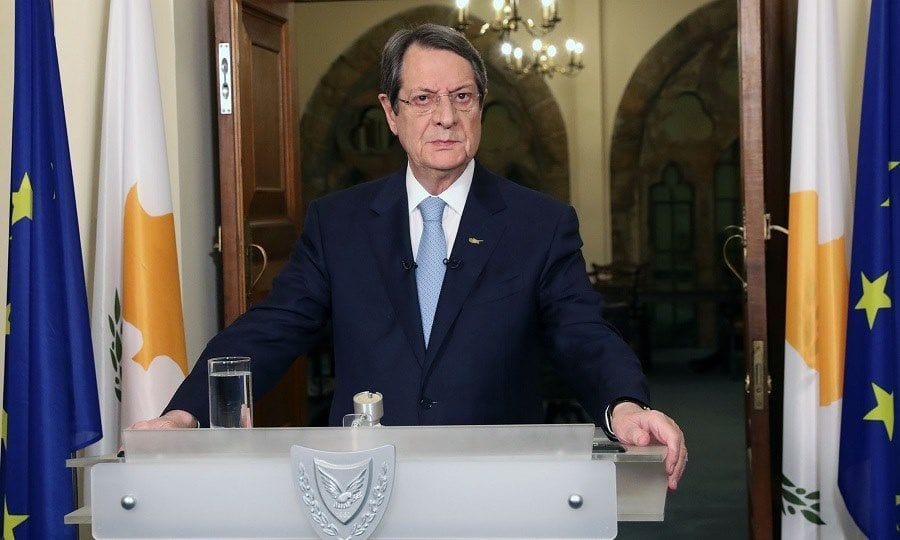
The anti-corruption authority on Thursday acknowledged delays in completing its investigation into the book Mafia State, insisting the probe remains on course and insulated from political pressure before parliamentary elections in May.
In a detailed statement, the authority said the postponement of its final report was due to “objective difficulties” and not the substance of the inquiry into Mafia State, written by investigative journalist Makarios Drousiotis.
Two of the four inspection officers were allegedly unable to work for extended periods because of health problems, while a third officer’s appointment to the public service required a temporary deferral.
“First of all, the authority admits the existence of a delay in the delivery of the final report,” it acknowledged, adding that the investigation “is proceeding normally, with full supervision”, with draft chapters already submitted.
According to the announcement, drafts covering three of the five chapters and part of a fourth have been received, reflecting what the authority described as the “zeal and efficiency” of the inspection team.
The officers are now expected to deliver their completed report by the end of April, after which the authority will examine the findings before issuing a public announcement.
It warned, however, that “due to the enormous volume of evidence and the length of the report, a time will be required that cannot be determined in advance”.
The investigation, launched after the publication of Mafia State, examines allegations of systemic corruption and abuse of power, including claims involving former president Nicos Anastasiades, who has denied wrongdoing and pursued legal action against Drousiotis.
The case has drawn intense public attention, with more than a hundred witnesses heard and hundreds of pieces of evidence gathered over two years.
Mindful of the proximity to the parliamentary elections in May, the authority said it would carry out its mandate “regardless of the above date”, while conceding that the delay could fuel scepticism.
“We live in an era when institutions are being strongly questioned,” the statement said, calling on the public “to show patience and to judge the authority objectively by its overall work”.
In a party statement issued on Wednesday, Volt lambasted any intention to withhold the findings until after the vote, arguing that “transparency is not a concession, it is a requirement” and that voters have a right to be informed before going to the polls.



Click here to change your cookie preferences