
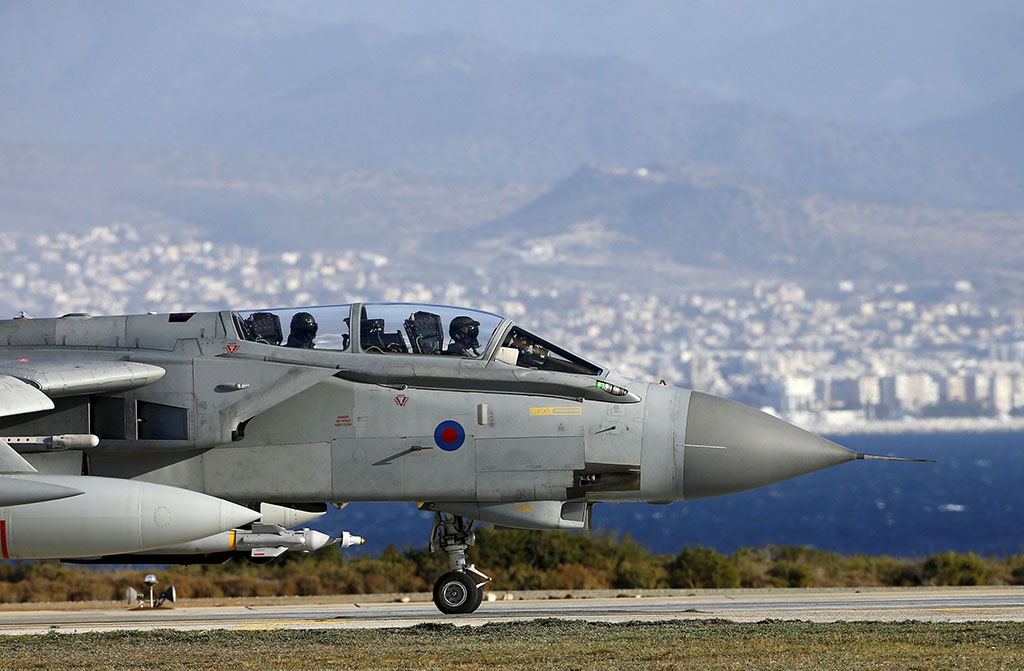
British intelligence is increasingly apprehensive that Russian nationals linked to the Kremlin are acquiring properties near the RAF base at Akrotiri as part of a covert “hybrid warfare” strategy.
According to reporting by The Telegraph, homes purchased close to the British base are under suspicion for being used for surveillance, equipment storage or acts of sabotage.
The newspaper cites current and former intelligence officials who warn that Moscow is quietly building a network of “Trojan horse” properties across at least a dozen European states in its efforts to undermine Western military infrastructure.
These sites are allegedly positioned near air bases, ports, energy facilities and undersea cables, and could be activated to disrupt transport, communications or military operations while allowing Russia to deny direct involvement.
The strategy is designed to stay below the threshold that would trigger Nato’s collective defence clause.
The report says sabotage operations linked to Moscow have intensified since the invasion of Ukraine, including arson attacks, parcel bombs and attempted infrastructure disruption in several European capitals, which intelligence sources believe may have served as test runs.
Cyprus is considered particularly sensitive to British due to its geostrategic location in the East Med.
The Telegraph reports that investigators have examined suspicious real estate acquisitions around Akrotiri.
The security concerns have been further raised by a separate case involving the death of Vladislav Baumgartner, a Russian businessman who had been living near the British bases.
Baumgartner, the former chief executive of fertiliser giant Uralkali, was reported missing on January 7 after disappearing from his home in Pissouri.
His body was recovered from Avdimou beach on January 15 and later identified through DNA analysis carried out by the British bases.
The circumstances surrounding Baumgartner’s death remain under investigation by the British authorities.
He had previously attracted international attention in 2013 after his arrest in Belarus during a high-profile dispute between Uralkali and the state-owned Belaruskali, before being extradited to Moscow and later cleared of charges widely seen as politically motivated.
In recent years he had resumed senior business roles and resettled in Cyprus.
The new head of MI6, Blaise Metreweli, is quoted as warning that Britain and its allies are operating “in a space between peace and war”, as Russia probes for weaknesses through cyber warfare and espionage.
The Kremlin is accused of using these tactics to undermine Western security while avoiding a direct military confrontation.



Click here to change your cookie preferences