
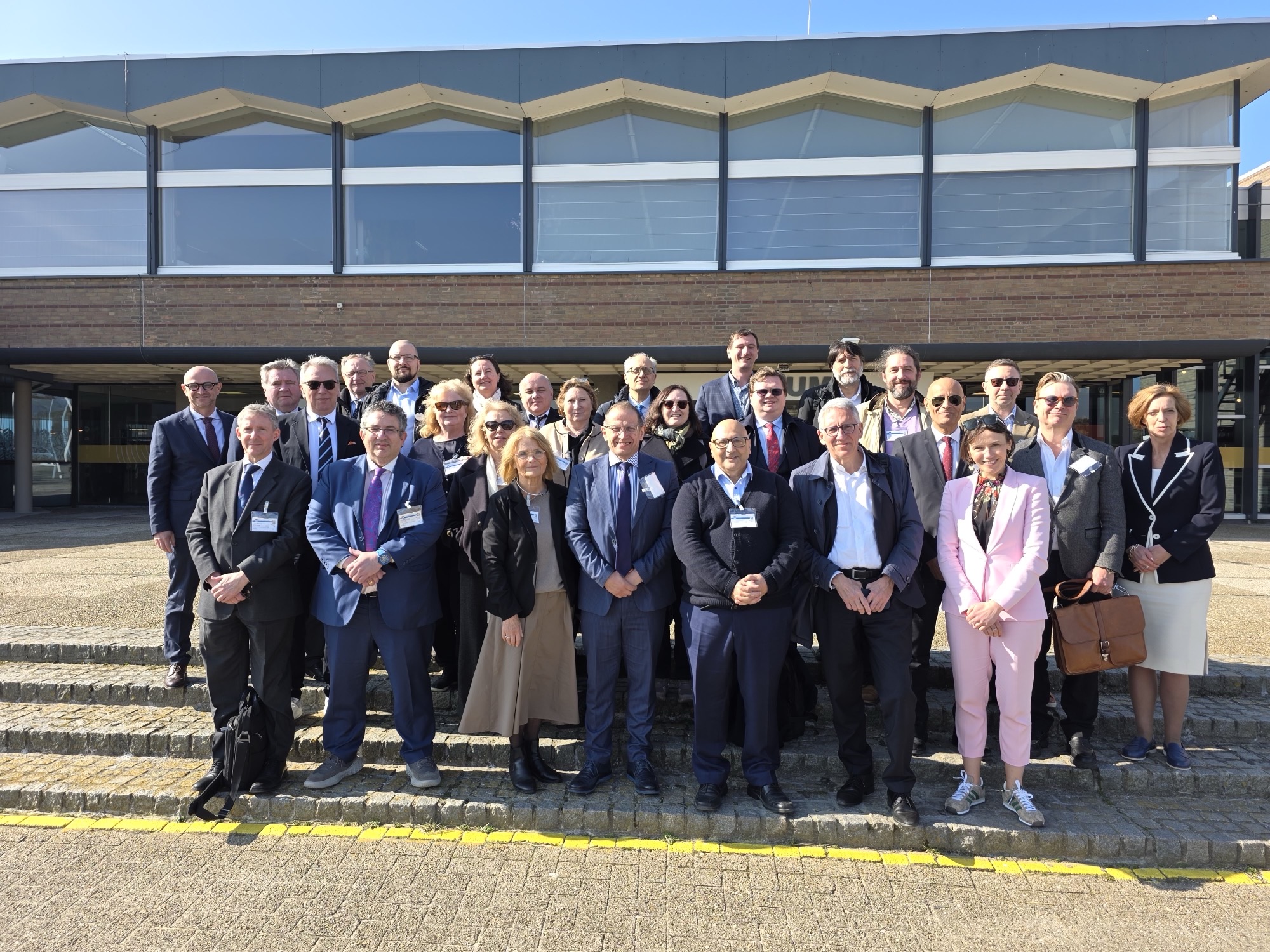
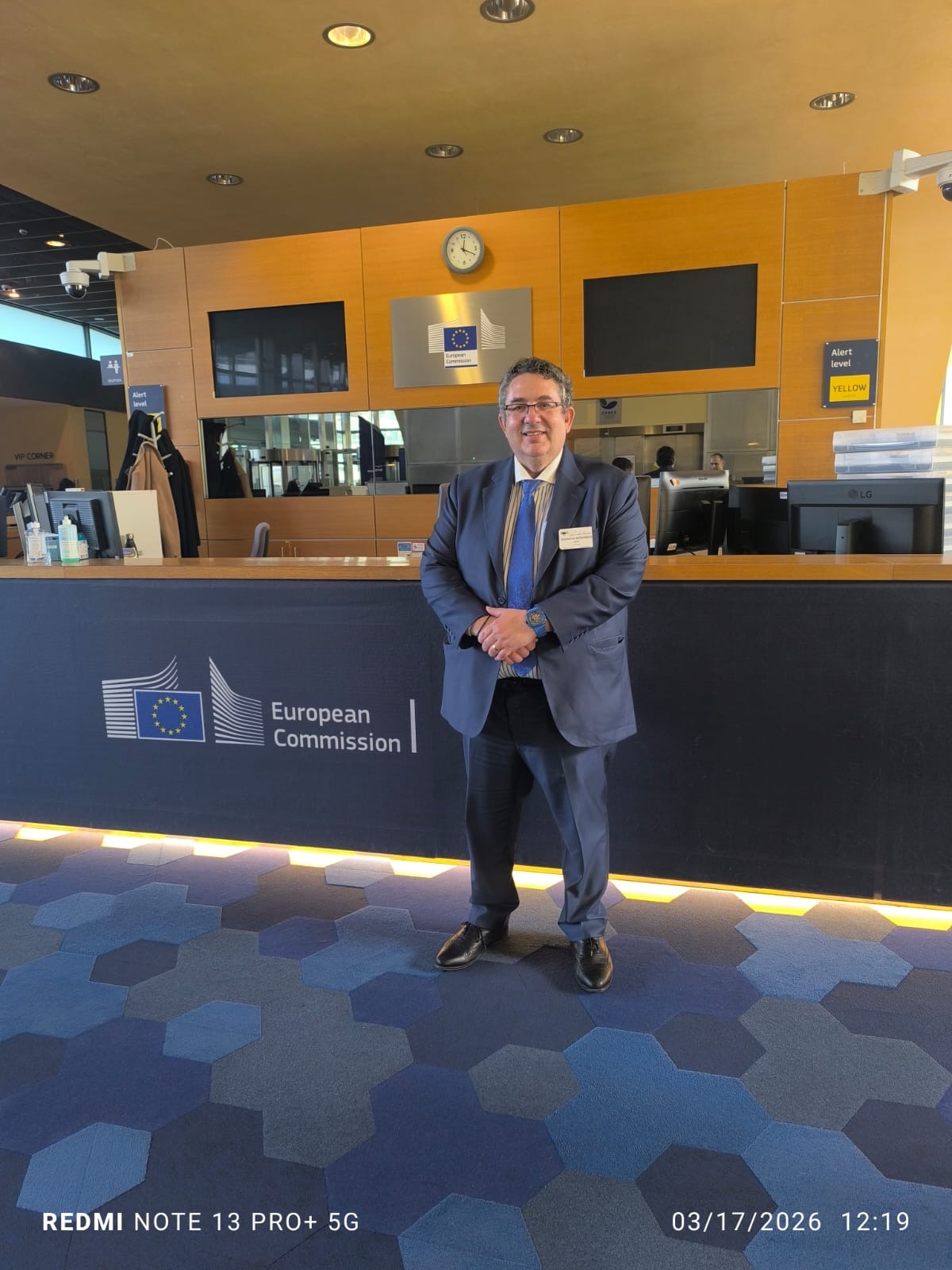
Chief Scientist Demetris Skourides has concluded a series of high-level meetings in Brussels and the Netherlands, aimed at strengthening Cyprus’ role in artificial intelligence, ocean policy and science-for-policy collaboration within the European Union.
According to announcement released on Thursday, the meetings followed his participation in the Women Who Built Europe Summit in Brussels, where he engaged with European leadership and institutions on advancing innovation and policy integration.
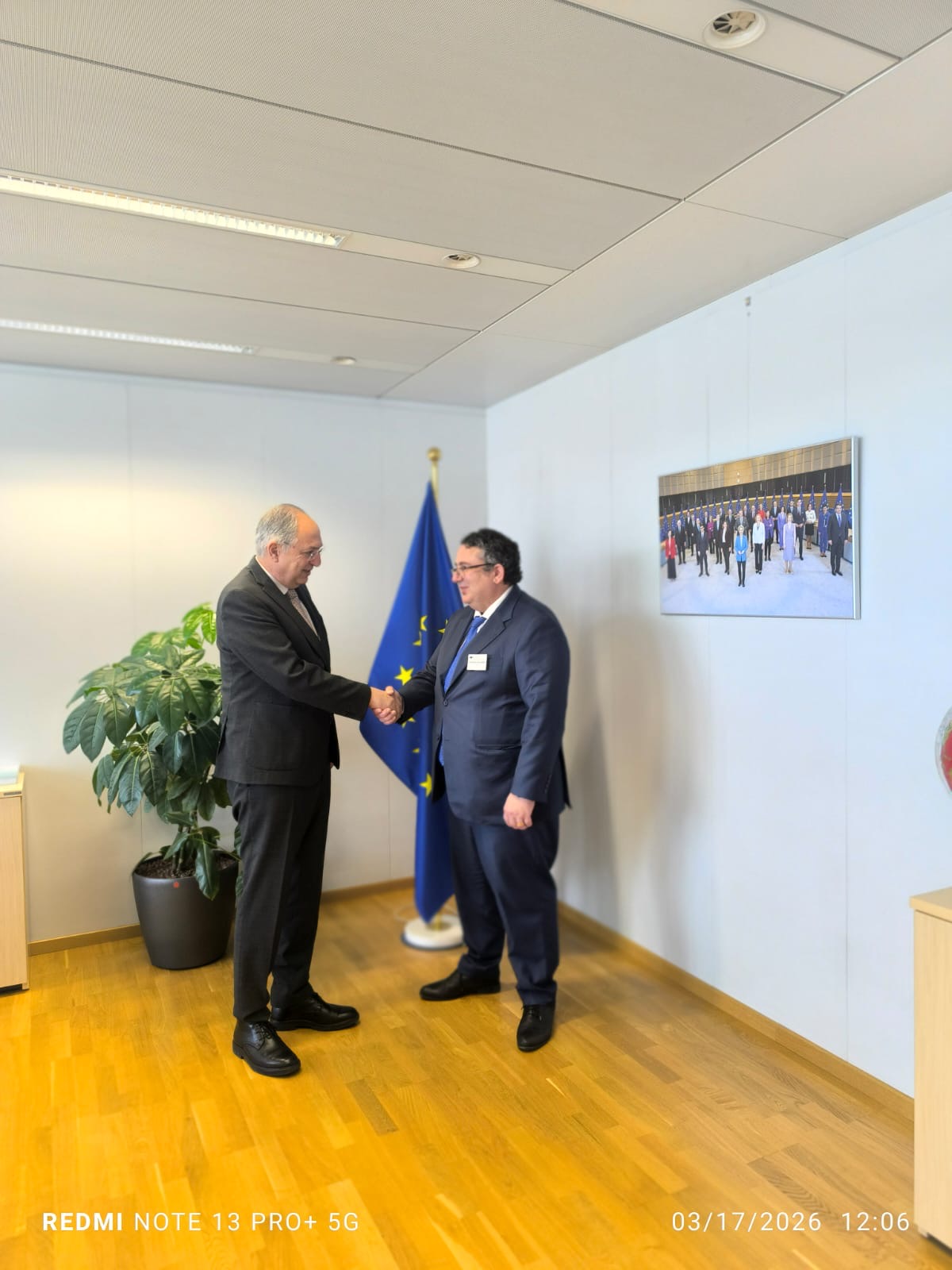
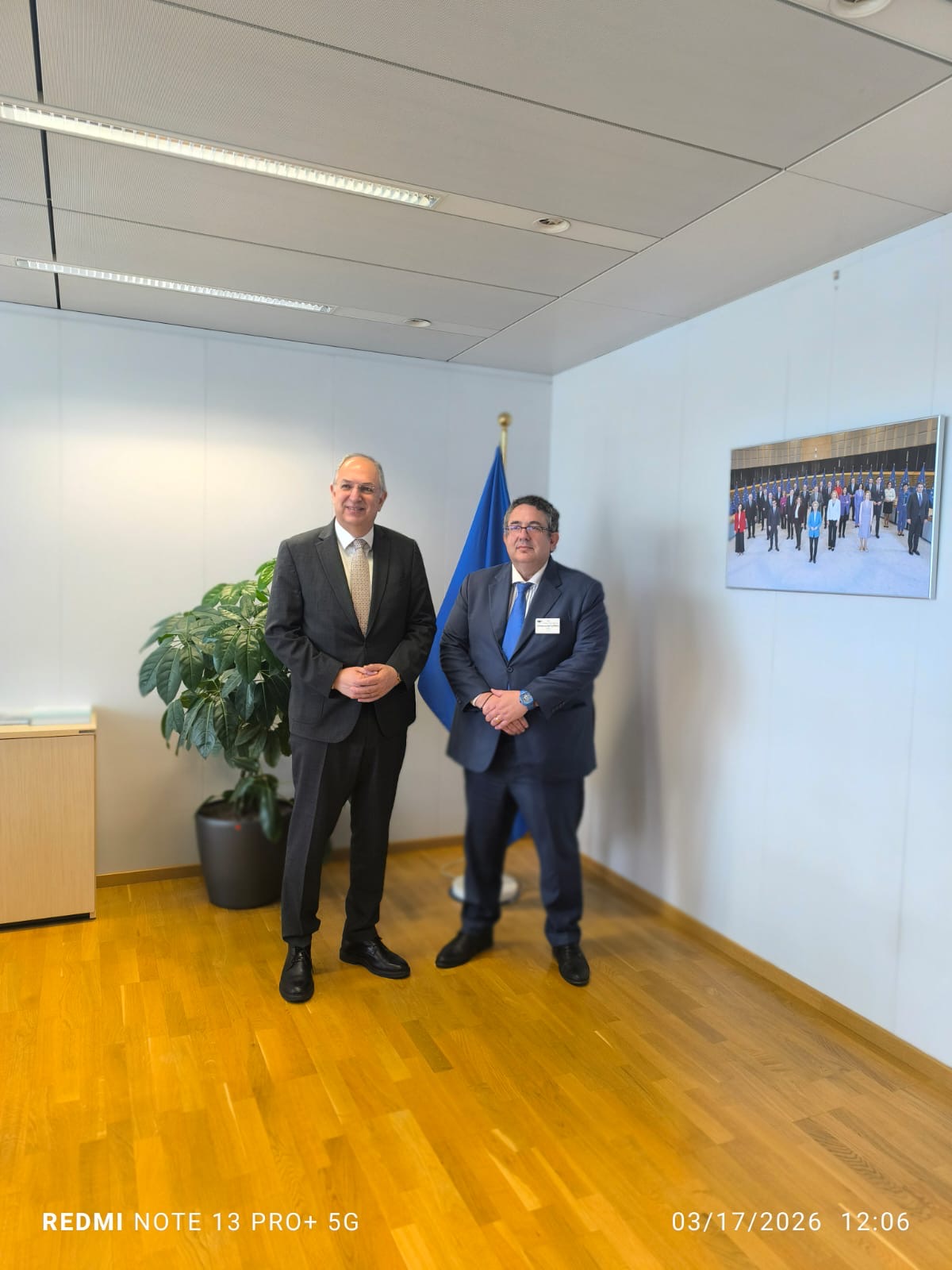
During his visit, Skourides met with European Commissioner for Fisheries and Oceans Costas Kadis, focusing on the role of artificial intelligence in supporting ocean-related policy and implementation.
Discussions placed particular emphasis on the European Ocean Pact and the Ocean Eye initiative, as well as the broader development of Europe’s blue economy.
The talks explored how AI-powered systems combined with advanced sensor-based technologies can enhance monitoring, forecasting and decision-making capabilities across marine environments.
These technologies are designed to support Europe’s sovereign ambitions by enabling more effective and responsive policy implementation in ocean governance.
“The Ocean Eye initiative represents a powerful convergence of European sensor-based technologies and artificial intelligence, enabling a shift from predictive insight to actionable intelligence,” said Chief Scientist Demetris Skourides.
“This transition is critical in equipping policymakers and decision-makers with the tools required to address complex ocean challenges in real time,” he added.
On March 19 and March 20, 2026, Skourides represented Cyprus at the Board of Governors of the Joint Research Centre in Petten, Netherlands, where strategic discussions focused on the role of science in evidence-based policymaking.
Key topics included the work of JRC Unit C.4 on vehicle market surveillance, alongside advanced methodologies in the diagnosis and prognosis of hazards in nuclear emergencies.
The discussions also covered the DAPHNE initiative and structural materials performance assessment, reflecting ongoing efforts to enhance safety and resilience.
Board members were briefed on joint work between the JRC and TNO regarding the Code of Conduct for Energy Smart Appliances, as well as impact assessments related to automated and autonomous driving.
Particular attention was given to how emerging AI tools are transforming testing and validation processes in these sectors.
As part of the programme, participants visited the InVesta Experience Centre, described as a pioneering living lab bridging the gap between research and commercialisation in green energy.
The centre operates as an energy-positive innovation hub with plug-and-play infrastructure for biomass and hydrogen technologies, enabling startups and researchers to test and scale solutions in real-world conditions.
By integrating research and development with business incubation, the facility offers a model for accelerating Europe’s green transition and addressing early-stage innovation challenges.
What is more, Skourides also held a bilateral meeting with Joint Research Centre director general Bernard Magenhann, focusing on the role of artificial intelligence in advancing the JRC’s science-for-policy mission.
The discussions examined how AI can support the evolution of evidence-based policymaking tools and data-driven decision processes, as well as the transition from predictive analytics to actionable policy insights.
“The chief scientist’s engagements in Brussels, Netherlands underscore Cyprus’ active contribution to European-level dialogue on artificial intelligence, sustainability, and innovation-driven policy, reinforcing the country’s strategic positioning as a forward-looking hub for research, technology, and science diplomacy within the European ecosystem,” the announcement concluded.





Click here to change your cookie preferences