
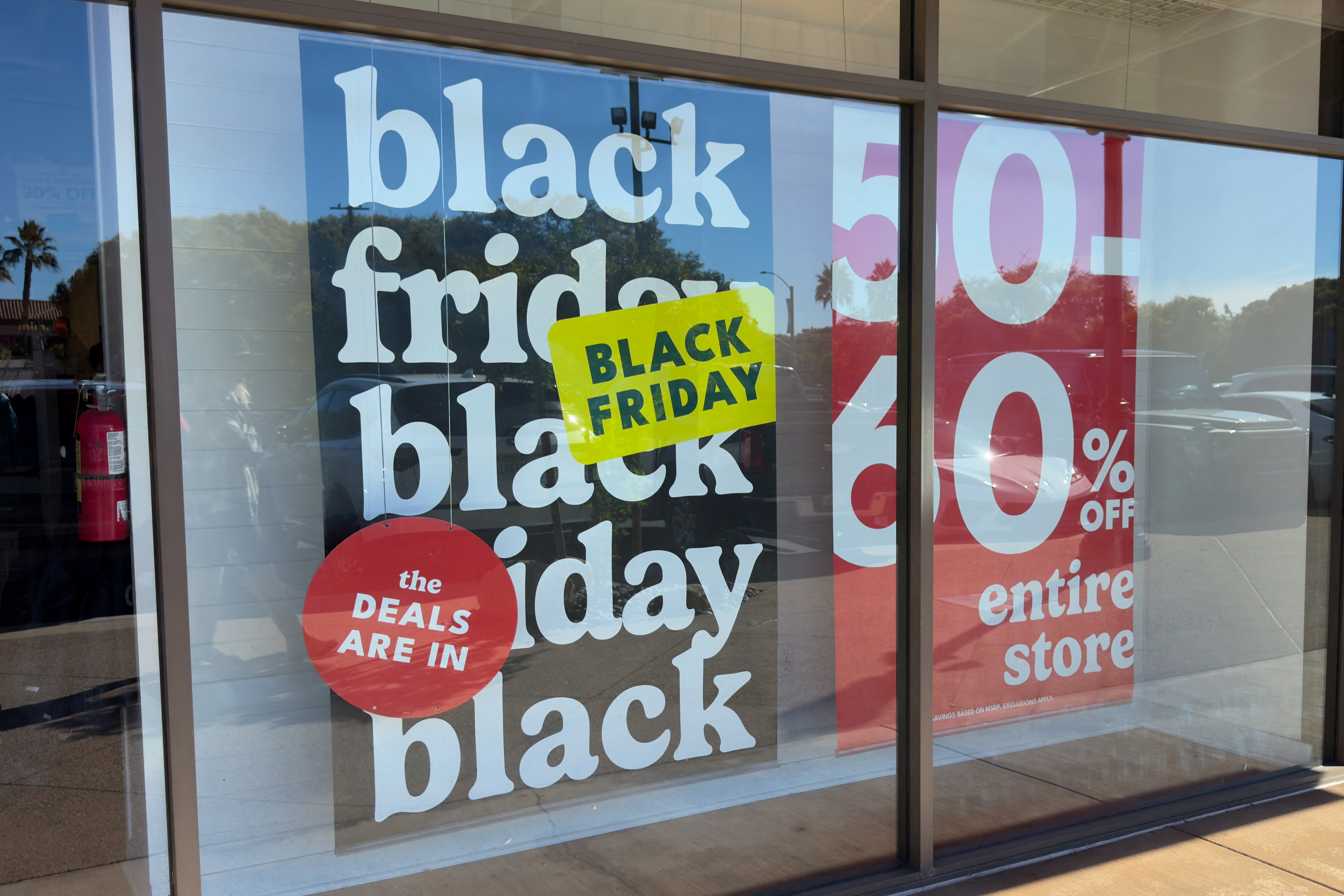
Cyprus was among 23 EU member states that joined a coordinated consumer protection sweep which found that 30 per cent of online traders screened during Black Friday and Cyber Monday sales referenced discounts incorrectly, according to results released this week by the European Commission and national authorities.
The sweep, carried out with consumer protection authorities from EU countries as well as Iceland and Norway, examined 314 online traders to assess whether discount and pricing practices during major sales events complied with EU consumer law.
Under the EU’s Price Indications Directive, when a business advertises a discount, the reference price must be the lowest price applied during the previous 30 days.
However, authorities found that nearly one in three traders failed to follow that rule.
Beyond misleading discount claims, the screening also identified a series of other problematic sales tactics that may affect consumers’ purchasing decisions.
In particular, 36 per cent of the traders checked attempted to add optional items to consumers’ baskets, while four in ten of those cases were done without clearly seeking the consumer’s consent.
Moreover, 34 per cent displayed price comparisons, but six in ten of those did not clearly explain the basis of the comparison.
At the same time, 18 per cent used pressure-selling techniques, including claims that products were running out or the use of countdown timers.
More than half of those cases were found to be misleading, the authorities said, noting that such tactics can breach EU rules when claims of scarcity are false.
A further 10 per cent used “drip pricing”, whereby extra charges such as shipping or service fees were added late in the buying process.
According to EU consumer law, adding items without consent, presenting prices in a misleading way, falsely claiming that a product is about to sell out, or hiding extra fees until the final stages of a purchase are illegal practices.
Following the sweep, national consumer authorities may now take action against the businesses concerned.
The Consumer Protection Cooperation network, which brings together national authorities responsible for enforcing EU consumer laws, coordinated the exercise with the European Commission to address potential infringements across the single market.
The rules governing traders’ obligations on price reductions are set out in the Price Indications Directive, while the wider promotion of prices is regulated under the Unfair Commercial Practices Directive.





Click here to change your cookie preferences