
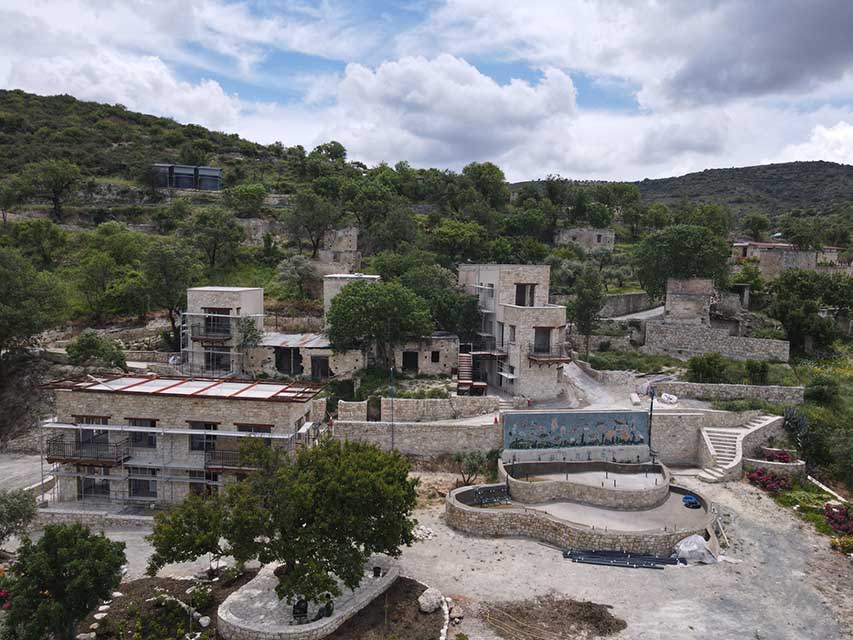
The developer behind revitalising an abandoned village hits back at social media critics
On Friday I drove the road I know so well but this time with a different destination in mind, Trozena. Taking the small winding roads, I passed through the wine villages of Limassol and descended into what can only be described as heaven on earth.
Admittedly, at first glance, Trozena does not seem like much. Looking down from the road, it appears to be a scattering of stone ruins tucked deep in the Diarizos valley; silent and largely forgotten for decades. Yet as I made my way down, what unfolded was something far beyond rocks and stones.
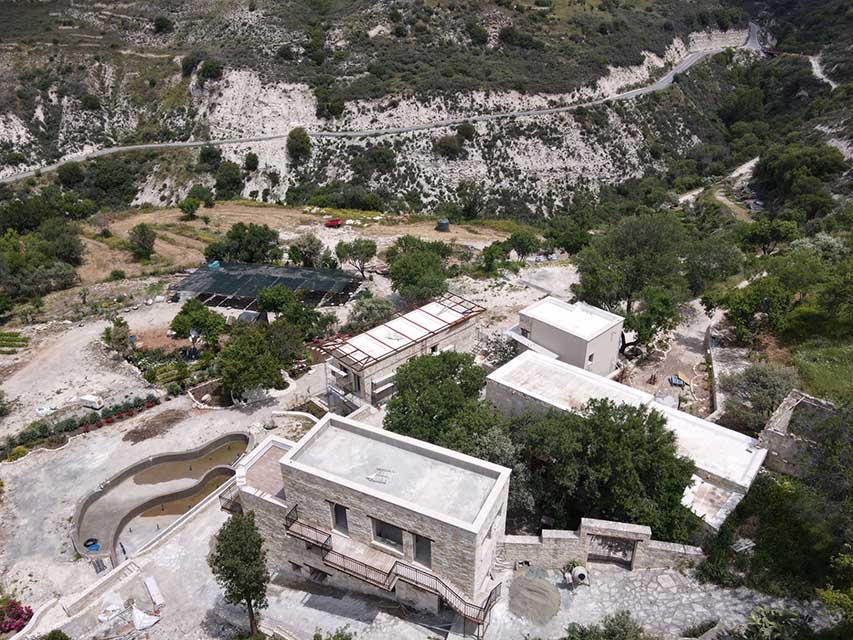
This abandoned village has in recent weeks become the centre of a multifaceted debate touching on foreign investment, environmental protection, public access and national identity.
Prior to arriving at the village, this article looked very different in my mind and so to understand Trozena one must step back from the noise.
One of the thoughts quite clearly at the forefront now is the fact that Cyprus has a long and quite often forgotten geography of abandonment.
Historical records document dozens of villages across the island emptied mostly by conflict, displacement, economic decline and as consequence just simple neglect.
Some of these villages were casualties of the intercommunal violence of the 1960s and the upheaval of 1974 whilst others simply faded away as younger generations left for the cities. Trozena belongs to that second category.
Trozena was never a thriving settlement, just a small Greek Cypriot village, which slowly emptied through the late 20th century, its final residents leaving in the 1990s.
As I reach the bottom of Trozena and look across the valley I can see Gerovasa, and a very different story unfolds before me, a Turkish Cypriot village abandoned in 1964 when its residents fled intercommunal violence. I can’t help but visualise how these two very different villages linked by geography and history, once coexisted in a way that today to most feels almost improbable.
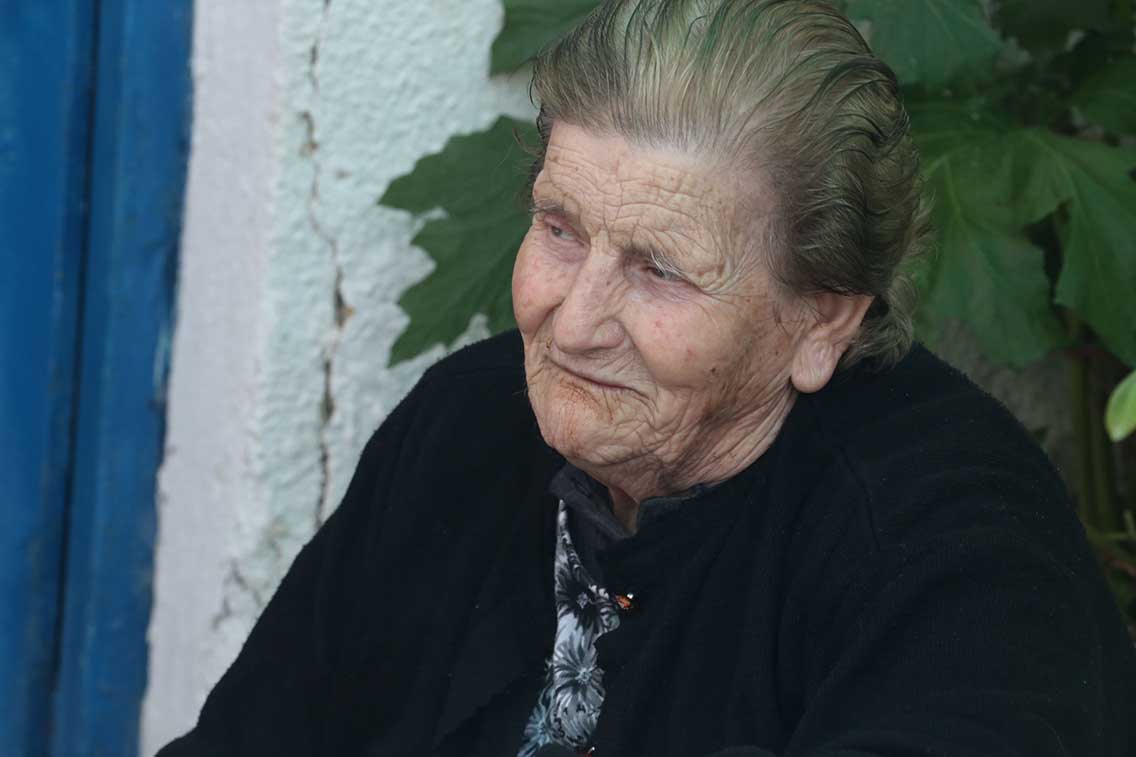
That memory though survives in 86-year-old Ellou Nikolaides, born in Trozena in 1939.
“I was born in Trozena. My father was from Mousere, my mother from Trozena. We had very good relations with Gerovasa,” she tells me. “The Turkish Cypriot women were my friends. They came to help us in the vineyards, and we helped them too. We had our own land, they had theirs, and we lived very well.”
When asked about the redevelopment now unfolding in her childhood village, she pauses.
“To tell you the truth, in my prayers I used to ask for the village to come back to life,” she says. “But not by foreigners, by our own people. Still, this is how it happened. Does it bother us? No.”
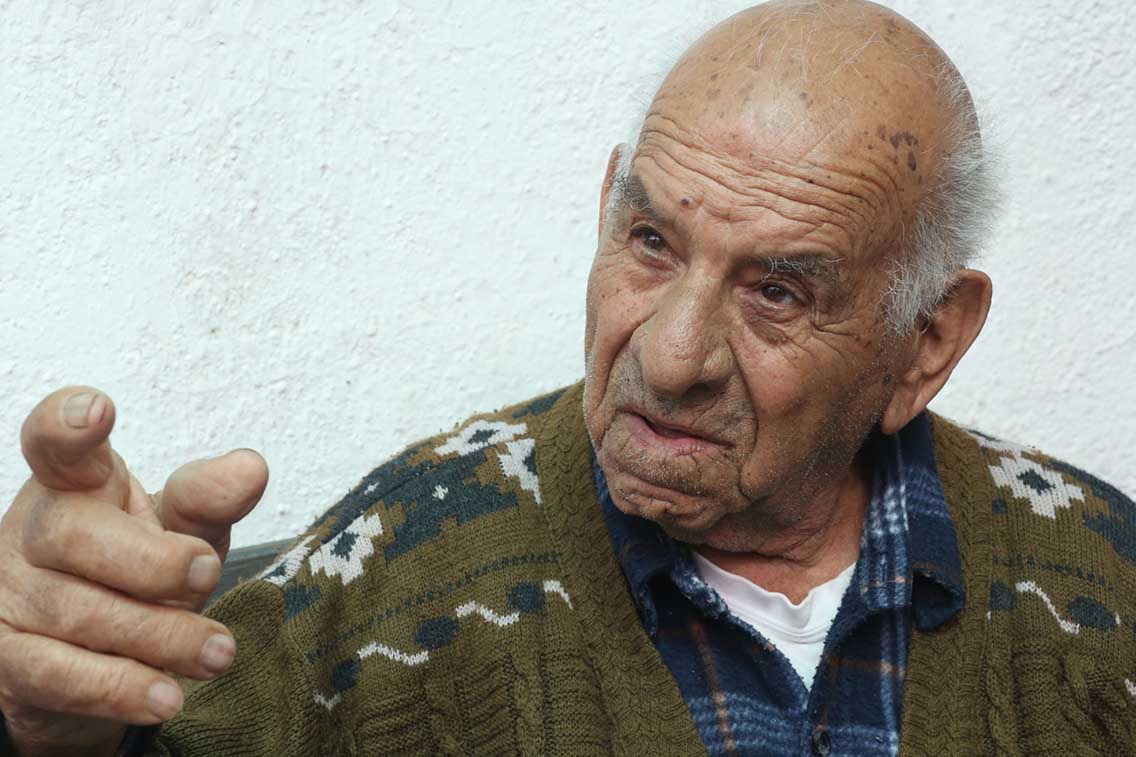
Next to her, her husband, Kyriacos Nikolaides, 92 years old, who served as community leader of Trozena for 35 years, and who remembers a far harsher reality than the idyllic imagery now circulating online.
“We carried water from the river. The roads were barely passable. We had no electricity,” he says. “We applied to get electricity around 2010. It never came.”
Then he laughs.
“Now Trozena has become famous. Who even knew where Trozena was?”
And right there lies the paradox. Because on my walk around Trozena from the rocks and stones a project is unfolding carrying what seems to be like a promise.
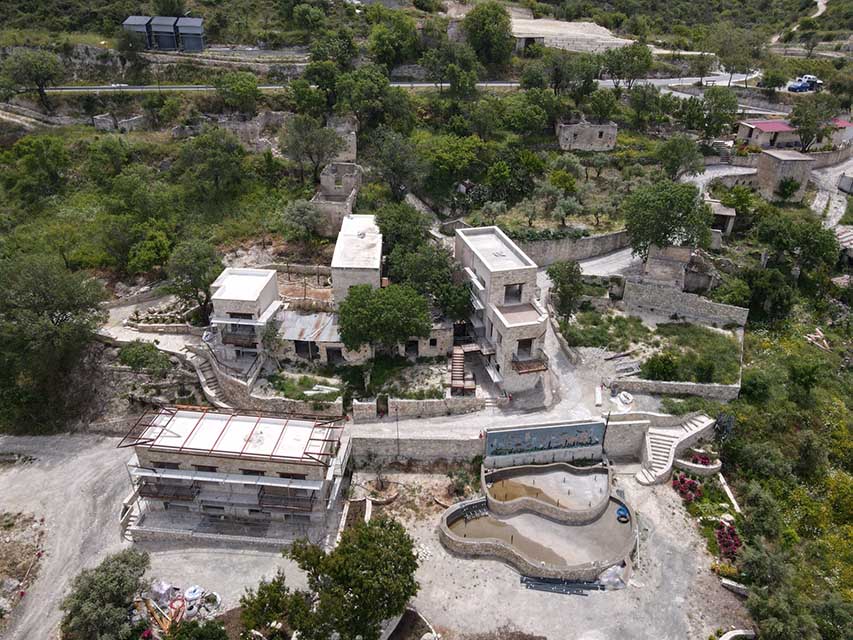
The project under scrutiny is not just a minor renovation as planning documents show a substantial redevelopment: 64 rooms, 16 restored structures, with capacity for 132 visitors. There are plans for a winery, a large restaurant, wellness facilities, reception areas, glamping infrastructure, and vineyards: a holistic wellness retreat.
However, as the investor behind it, 72-year-old entrepreneur Uriel Kertesz walks through the door he does not fit the caricature now circulating online. We spoke for an hour, about Hungary, about Croatia, about the aftermath of World War Two.
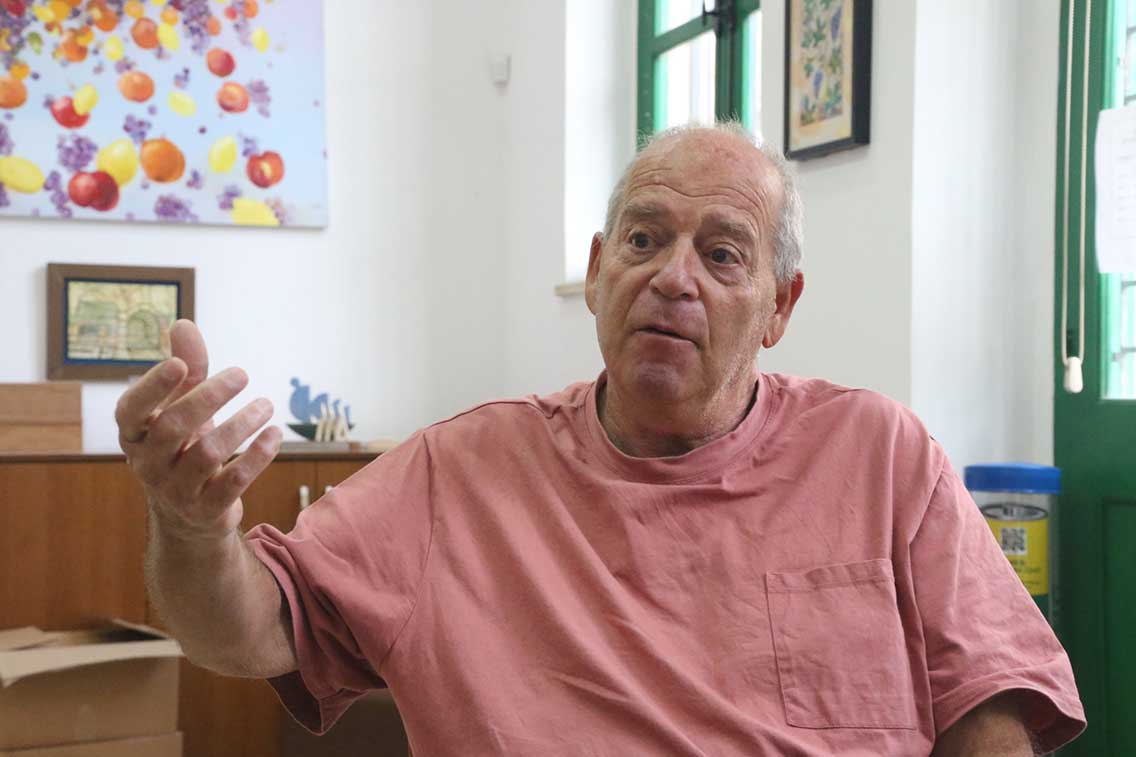
An Israeli born in Budapest, with decades of business experience in Africa, India and Hungary, he describes himself as someone who avoids publicity.
“I was the happiest man in the world up until 10 days ago,” he tells me. “These accusations are painful because they hit in the most sensitive areas of your existence, your history, your family history, your ancestor’s history.”
He says he and his wife chose to live in Cyprus after what he calls a “parameter formula”, an English-speaking environment, strong airport access, proximity to Israel for family reasons and stability.
Then he says he discovered Trozena by accident and through curiosity, “I was driving down the small roads. I saw the place and fell in love.”
His estate agent thought he was mad when he floated the idea of buying an abandoned village.
Over two and a half years, he says, he acquired “hundreds of pieces of land”, amounting to roughly 70 per cent of the surrounding land and about half the village itself.
He is adamant about one point in response to one accusation circulating on social media: “No Turkish Cypriot land was purchased.”
When I asked him what his vision is, he replied that “For 20 years, I had a dream to create a place where people can truly rest their minds,” he says. “Not another luxury resort. A place where people can come and think.”
However, that idealism sits uneasily beside the official investigations now under way, because whatever Trozena may become, authorities are now examining what happened before this vision was fully approved.
The Department of Environment has launched inspections into alleged environmental and planning violations, including earthworks without authorisation, interventions inside Natura 2000 protected areas, vegetation removal and construction activity before permits were issued.
During my visit officers from the Game and Fauna Service were also carrying out checks.
“We are obliged to respect the law because we are within the European Union,” officer Marios Matheou tells me. “Within Natura areas, development can happen but only where residential zoning allows it.”
Department of Environment deputy director Elena Stylianopoulou offers a sharper formulation and tells the Cyprus Mail that “for us, what matters is to see what happened without permission and to assess the works as a whole, cumulatively.”
Yet the project’s own environmental assessment reached a different conclusion. The independent consultant found that, provided mitigation measures are implemented, the development would not endanger the integrity of theNatura 2000 protected zone and might even enhance conservation by reducing illegal hunting, uncontrolled access and environmental neglect.
So here the question is which is it? The EOA Limassol has entered the fray, arguing that Trozena requires a comprehensive master plan rather than piecemeal interventions, and insisting that any illegal works must be reversed before broader development proceeds.
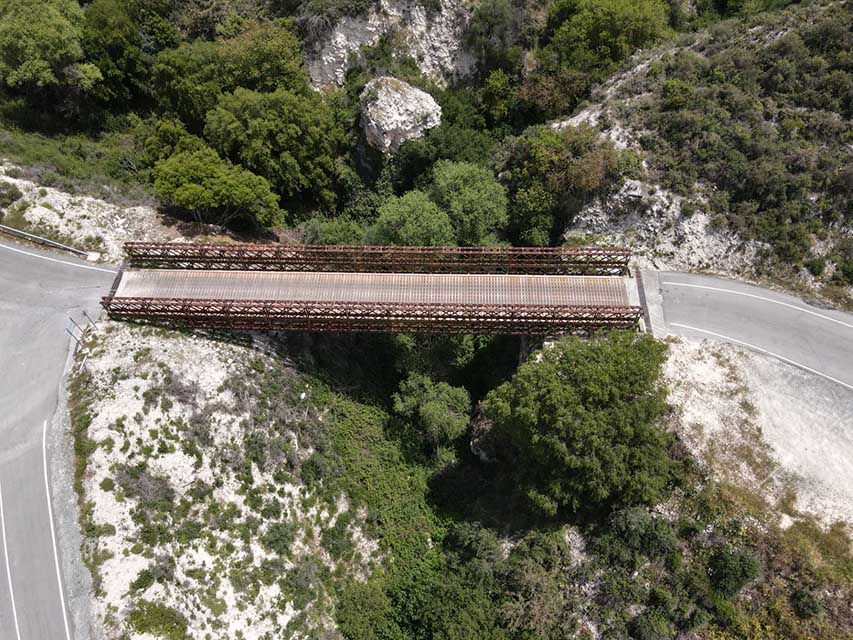
All these are legitimate concerns but what’s the fuss around Trozena? Cyprus after all is hardly an environmental purist’s paradise. Illegal developments have surfaced repeatedly in protected coastlines, mountain zones, Natura 2000 areas and tourism hotspots.
The phrase that transformed Trozena into a national sensation over night was very simple, “Israelis are buying Cyprus.” Amidst anti-Zionist sentiments, some of which veered into outright antisemitism, social media caught fire and the abandoned village became a symbol far larger than itself. Rumours quickly spread that access had been restricted, that the church was at risk, that Trozena was becoming some kind of Israeli enclave.
The Arsos community council, which now oversees the area, flatly rejected the claims.
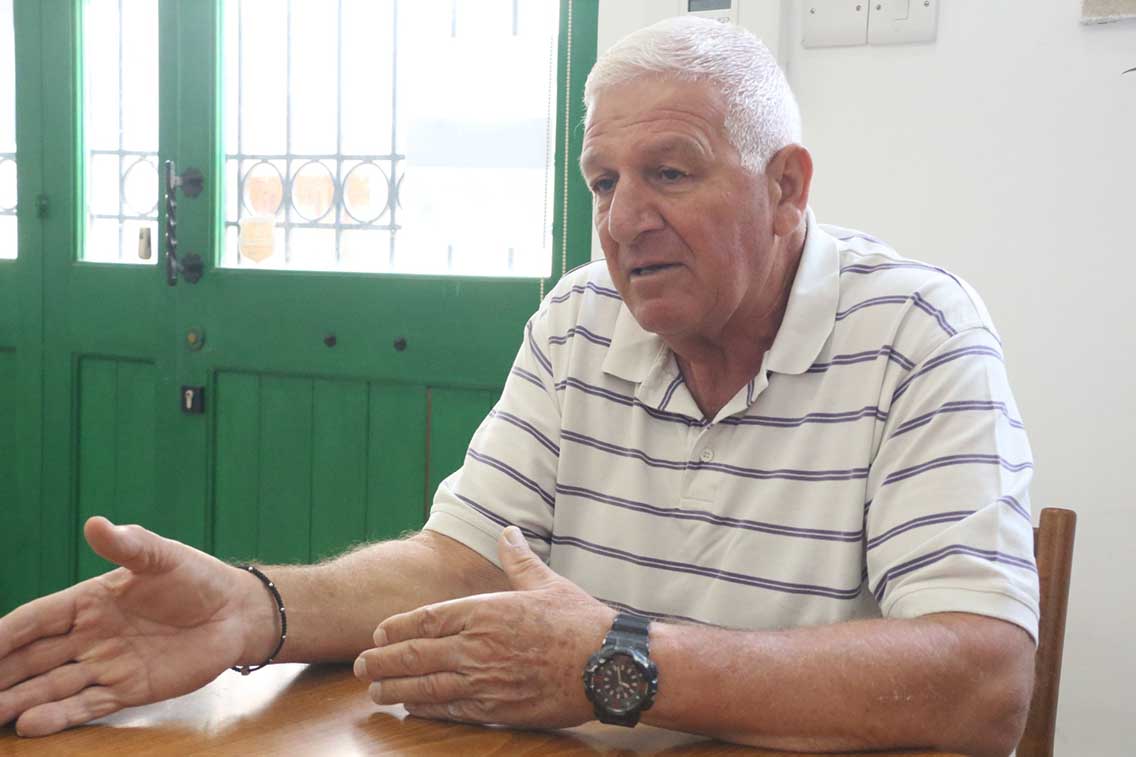
“No one has forbidden access,” community leader Giannis Giannakis tells me. “And no one ever will.” He is quite emphatic.
“This is land of the Republic of Cyprus. Not a Jewish ghetto, not Russian, not British, not German. No investor, no owner, nobody can stop access through public roads.”
Kertesz is equally emphatic: “I don’t care about gender, race, I don’t care about colour, I don’t care about religion, I don’t care about their profession, I don’t care about anything. If he’s retired, he’s welcome, if he is not retired, he is welcome in the same way.”
Giannakis stresses how decayed Trozena had become.
“After abandonment, Trozena had become a dump,” he says. “The investor removed eight truckloads of rubbish.”
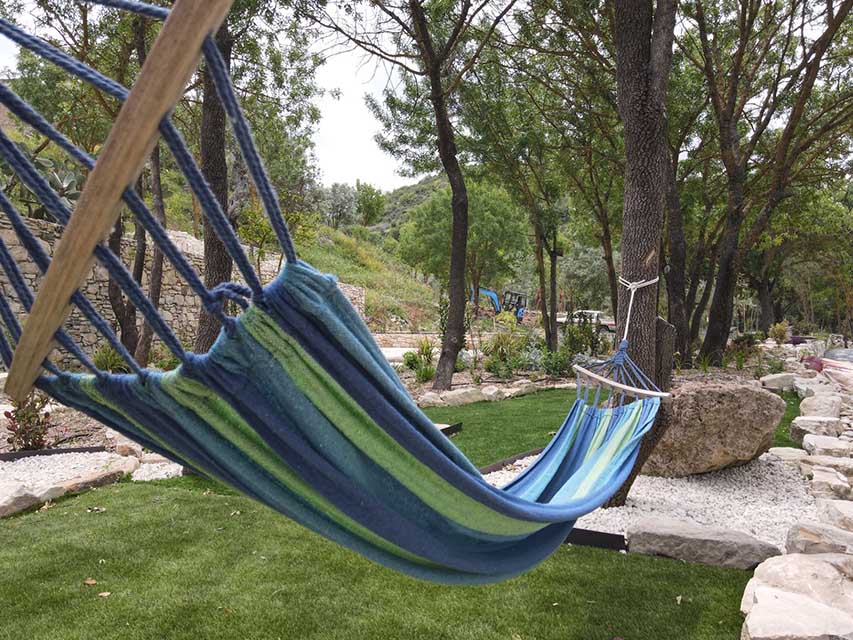
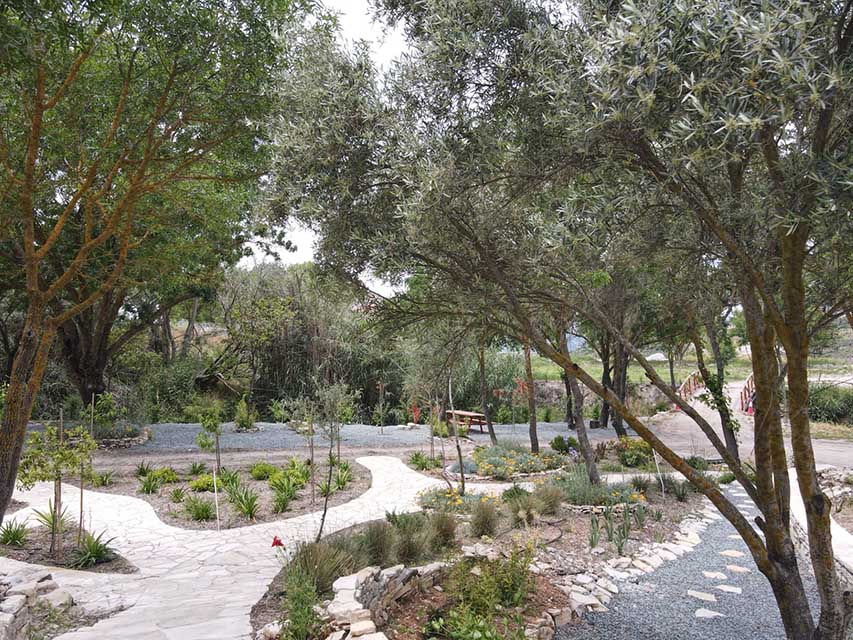
He says the investor cleaned the surrounding land, repaired the church at his own expense, restored footpaths linking Trozena to Gerovasa, planted trees and flowers, and employed local workers.
“Ten families from Arsos are already working there,” he says. “And this is before the project has even started properly.”
For Giannakis, the community leader of Arsos, a village which not so long ago had 1000 residents and now only has 100, the bigger picture is more obvious, “tourists will come. They will buy from our shops, our workshops, our churches, our monastery. Some days the silence here is frightening.”
As I get back into my car and drive away, watching a bird of prey circle above the valley, my feelings remain mixed. Walking through the abandoned streets now being revived from the ruined stone homes to the old donkey path that once connected Trozena and Gerovasa, now transformed into a quiet nature trail, and listening to the people who once called this place home, a different perspective begins to emerge, shaped as much by identity as by neglect. What lingers is the uncomfortable thought that decay is often romanticised only so long as no one attempts to change it.
And so the real question this village leaves me with is one I often ask when visiting villages in Cyprus, where time seems to have stood still, ultimately that of how we can create better living conditions for the communities on this small island.





Click here to change your cookie preferences