
Archaeologists in Turkey have discovered traces of human excrement in a 1,900-year-old glass vial used to hold perfumes or elixirs, which they believe is the first physical evidence that the Romans used faeces medicinally.
Previously, the practice of applying excrement to the skin to fight infections and inflammation was known only from ancient Roman texts.
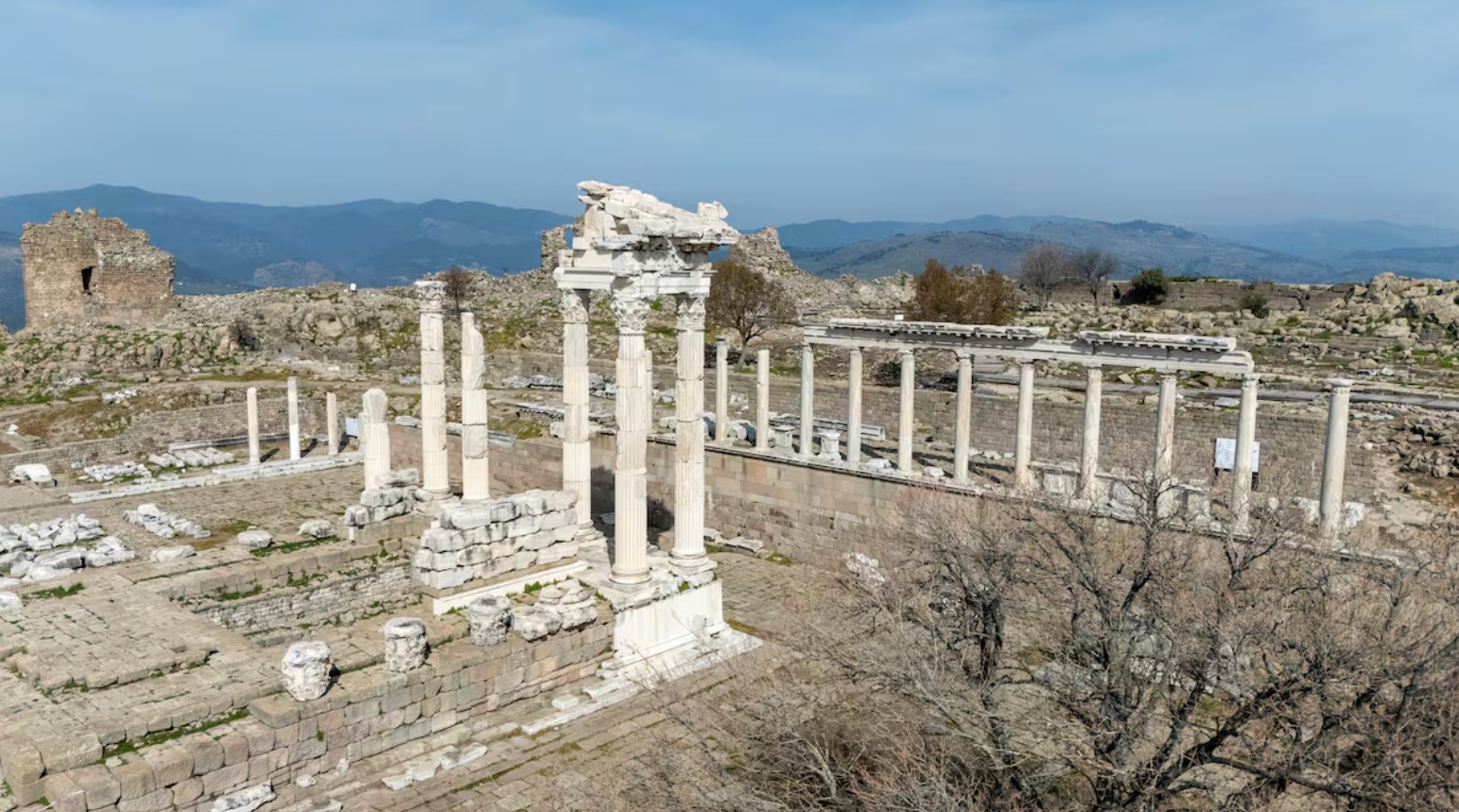
Cenker Atila, an archaeologist specialising in ancient perfumes at Turkey’s Sivas Republic University, was working with colleagues to identify the contents of hundreds of vials held in Bergama Museum, close to the ruins of the ancient city of Pergamon in Turkey’s western province of Izmir.
Pharmacologist Ilker Demirbolat ran a chemical analysis on the contents of one vial, finding human faeces and thyme oil.
The long-necked bottle or unguentarium was recovered from looters, so experts can’t be sure where it was excavated.
However, Pergamon was home to a renowned hospital and to the ancient physician Galen, who documented the use of excrement in medicine. The bottle’s design also suggests it comes from the area.
“We found a medicine that has survived from ancient times to the present day,” Atila said, “we found excrement while expecting perfume.”
Demirbolat said Roman physicians described how the medicine could cause revulsion, and recommended mixing it with something that smelled nice, hence the presence of thyme oil.





Click here to change your cookie preferences