
Freedom24 puts Cyprus in the spotlight with new think tank
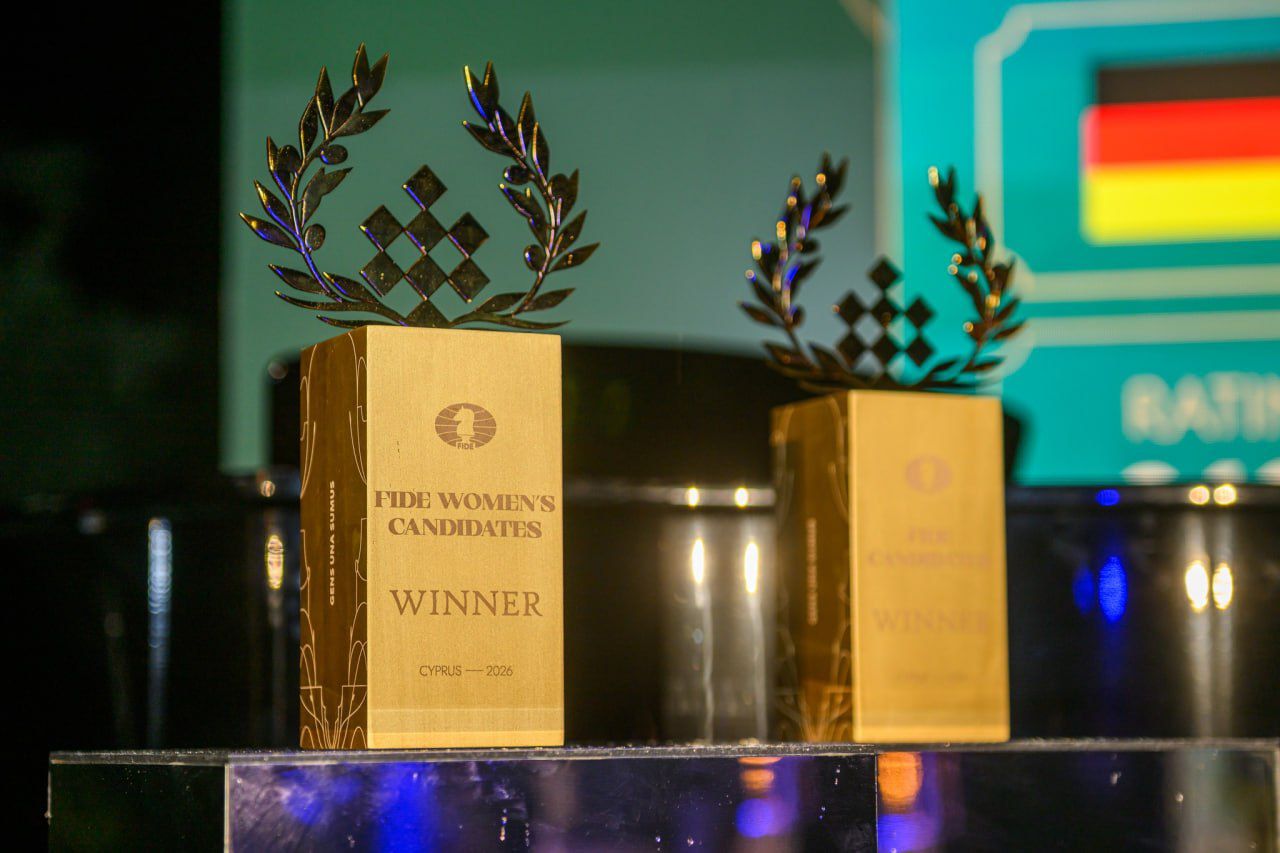
On a cool evening in Paphos, as the world’s top chess players gathered for one of the sport’s most prestigious tournaments, a parallel conversation was unfolding about a very different kind of game.
It was not played on a board, but across markets, technologies and continents.
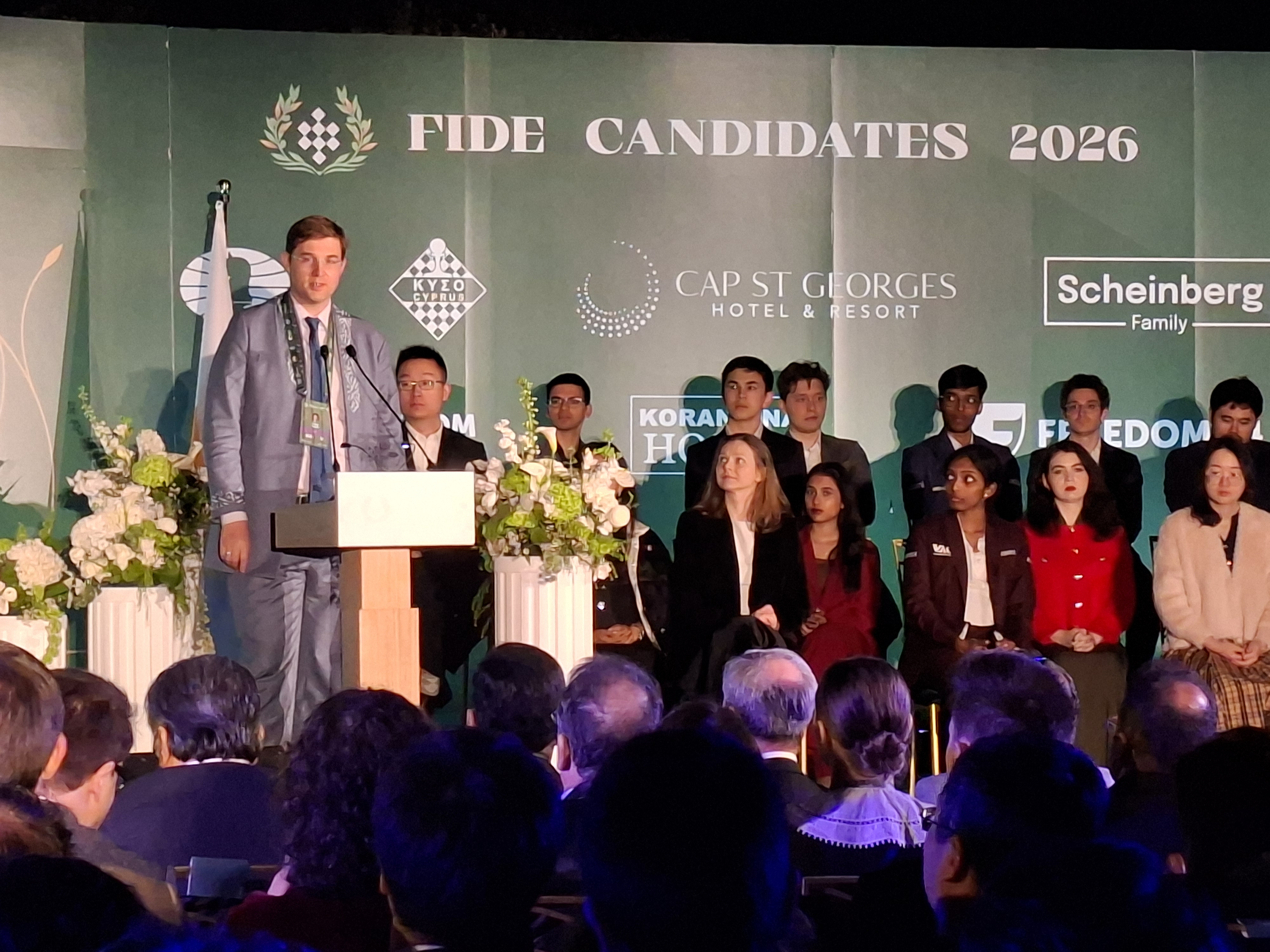
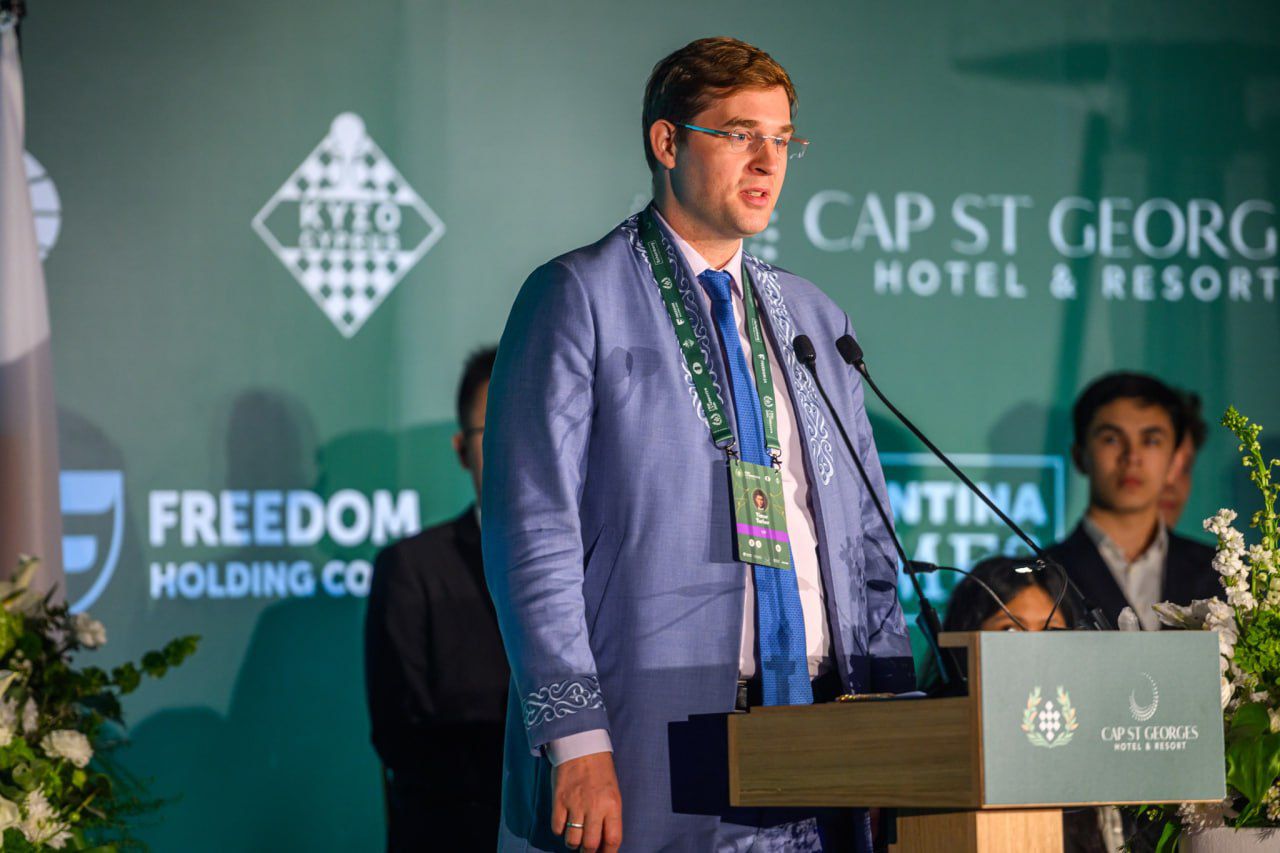
Speaking to the Cyprus Mail on the sidelines of the opening ceremony of the 2026 FIDE Candidates Tournaments on March 28 at Cap St Georges Hotel and Resort, Freedom Holding chief executive officer Timur Turlov laid out an expansive vision that stretches far beyond finance.
It is a vision that connects artificial intelligence, digital infrastructure, global capital flows and, not unexpectedly to those who know him, chess.
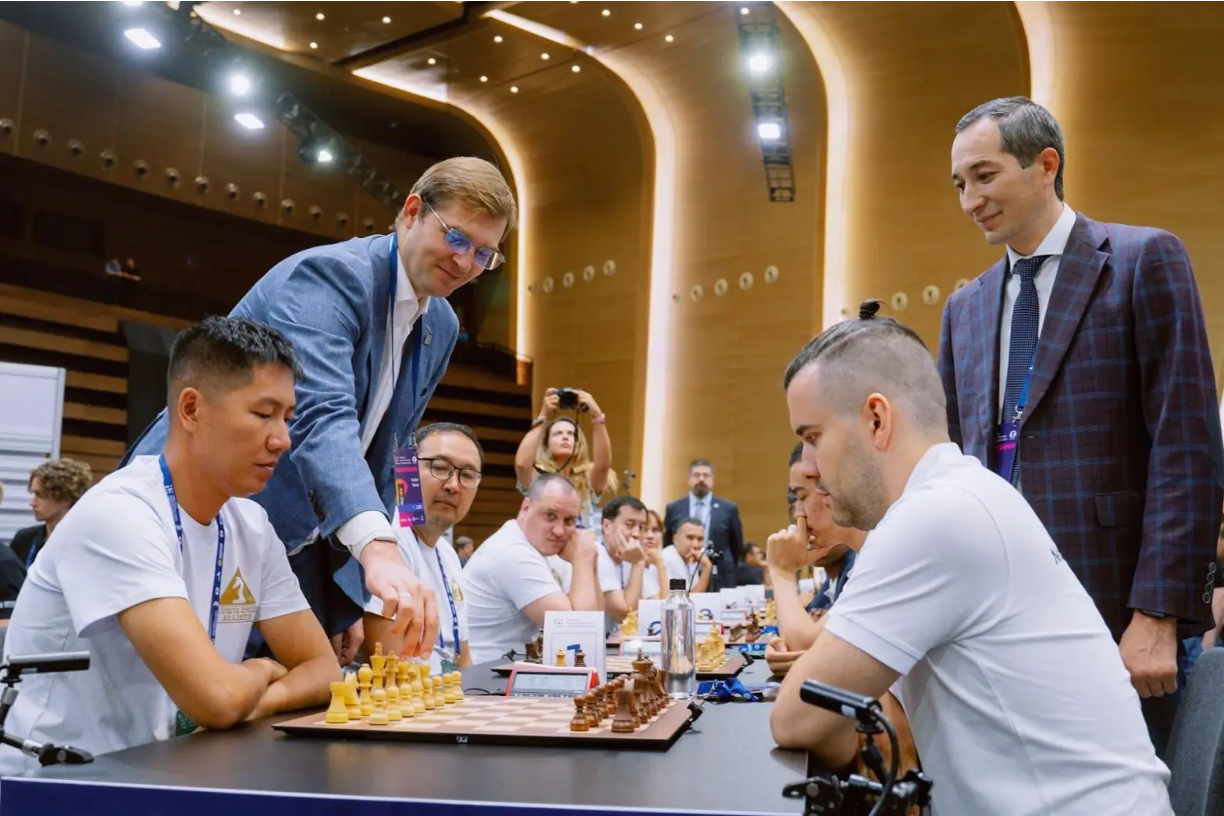
“I am actually very happy that we managed to bring this tournament to Cyprus because it is one of the most prestigious events in the chess world,” he said, reflecting on the significance of the occasion. “It attracts the strongest players from all over the world and decides who will fight for the world championship.”
For Turlov, the tournament is not simply a sporting milestone for Cyprus. It is part of a broader narrative about strategic thinking, education and the positioning of the island on the global stage.
“In the world we live in today, the ability to think strategically and anticipate the next move is becoming essential,” he said. “Chess trains exactly that skill, and it is something we need much more of now.”
He described the game as a tool not only for competition but for self-discovery and intellectual development, particularly among younger generations.
“Chess helps people understand how their brain works, how to maintain concentration and how to make better decisions,” he said. “In a world dominated by short videos and constant distraction, it is one of the few activities that can truly train attention.”
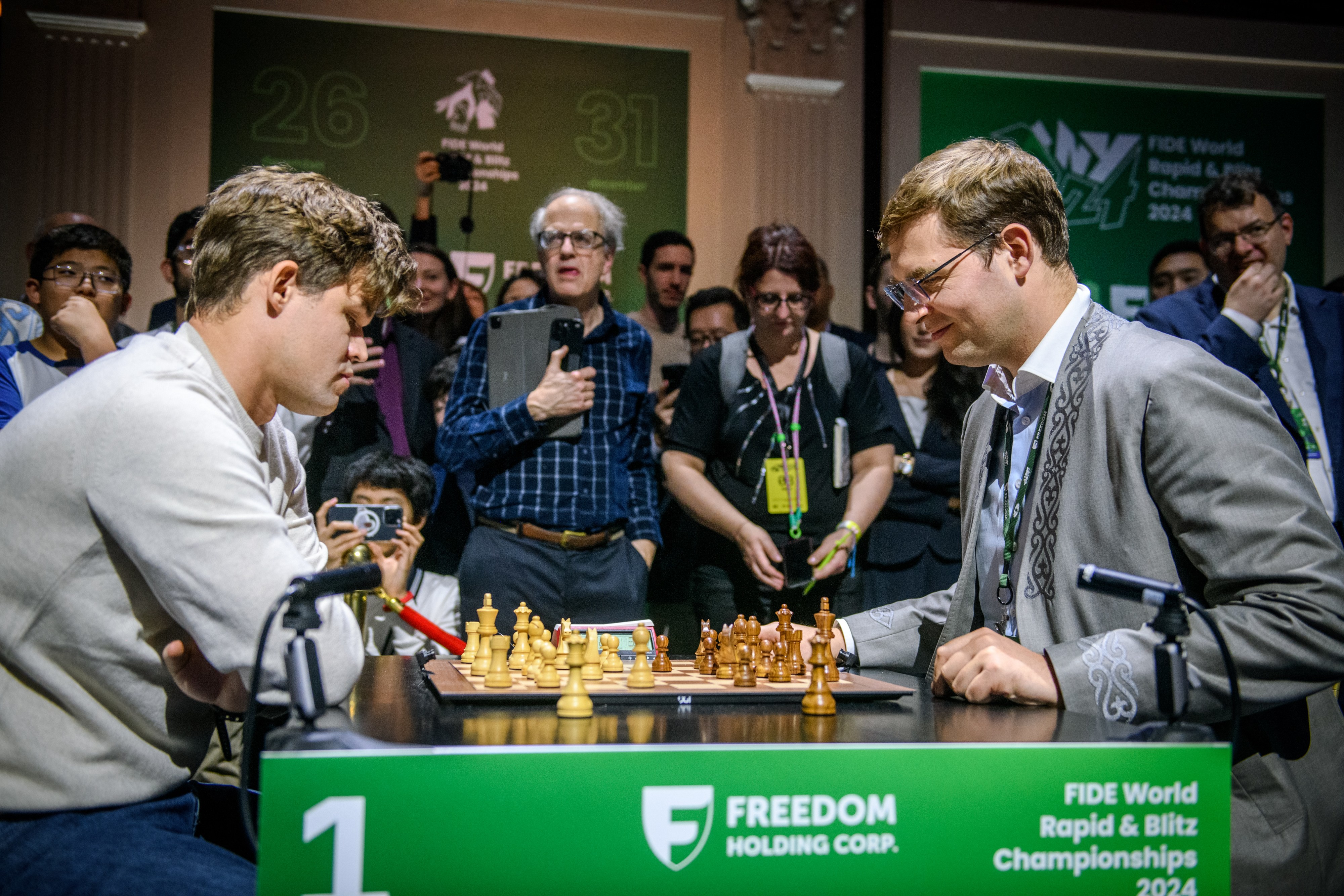
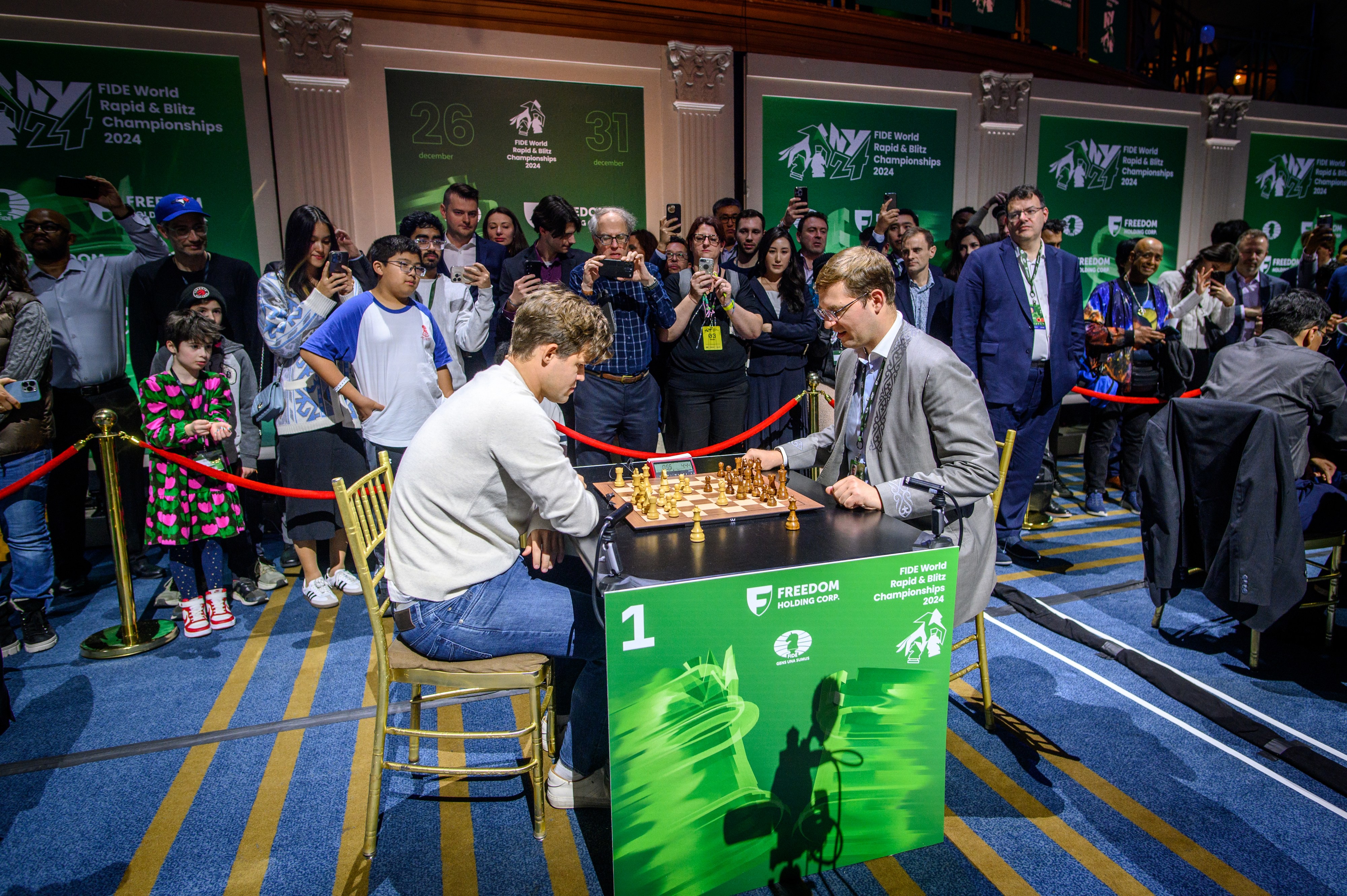
Turlov argued that its value extends far beyond the board. “I strongly recommend that children learn chess not because they should become professional players, but because it helps them study better, understand themselves better and develop strategic thinking,” he said.
This emphasis on long-term thinking is mirrored in the evolution of Freedom Holding itself. What began as a brokerage business in emerging markets has grown into a multi-layered digital ecosystem spanning banking, insurance, payments, telecommunications and investment services.
“I think our approach to technology and our corporate culture were the key drivers,” he said. “We always asked how we could make services cheaper, faster and more efficient, and at the same time how to attract the best people.”
Today, the company employs more than 10,000 people and operates what Turlov described as a fully integrated platform.
“In our super app, you can open a bank account, access loans, buy insurance, trade securities, order food, book travel and even connect to home internet,” he said. “It is a one-stop shop for almost everything.”
He attributed this transformation to a combination of engineering talent and long-term investment in infrastructure.
“We built a very strong development base, especially in Kazakhstan and Cyprus, and that allowed us to create products that are both affordable and highly functional,” he said.
The company’s growth has also been closely tied to the development of the markets in which it operates.
“We succeeded together with the country,” he said, referring to Kazakhstan. “The partnership between technology companies and governments is critical because we either succeed together or fail together.”
He believes a similar model could be applied in Cyprus, although he acknowledged that progress is not always straightforward.
“I believe Cyprus has huge potential, but it requires strong cooperation, leadership and resources,” he said. “With a broader presence, including banking and other services, we could build something similar here that makes life easier for citizens and businesses.”
At the heart of this ambition lies a belief that digital infrastructure is as important as financial services themselves.
“If you want to build advanced digital products, you need the rails to support them,” he said. “Sometimes those rails do not exist, so you have to build them yourself.”
This thinking explains Freedom’s move into telecommunications, a decision that might seem unconventional for a financial group but is central to its long-term strategy.
“Connectivity is a critical layer,” he said. “If you do not have it, you cannot scale your services. And if you depend entirely on others, you risk being limited by them.”
Turlov’s perspective on technology is perhaps most evident in his views on artificial intelligence, which he described as a transformative force for both business and society.
“AI is helping to make our main product, the super app, much more intuitive,” he said. “You can simply tell the system what you need, and it will do everything for you.”
He outlined a future in which digital assistants handle complex tasks seamlessly, using natural language.
“You could say that you want to change your flight, book a hotel and arrange transport, and the system will do it all on your behalf,” he said. “It already works very well.”
For businesses, he sees AI as a tool for managing complexity and increasing efficiency.
“I can ask a system for any information I need without involving multiple teams,” he said. “It makes decision-making much faster and more accessible.”
At the same time, he acknowledged the disruptive potential of the technology.
“AI is already shaking the world and will continue to do so,” he said. “Any major technological shift creates instability, and not all companies will be able to adapt.”
He was candid about the risks. “If you lose even a year, you may lose the entire game,” he said. “But for those who are flexible and adaptive, it is also a huge opportunity.”
Turlov went on to share a more personal perspective on how artificial intelligence has already become embedded in his daily routine.
“I use ChatGPT very frequently,” he said. “Many of my colleagues recommended other tools like Claude, and I tried them, but I still prefer ChatGPT for my own research.”
He explained that his preference is largely driven by the breadth of information and perspective the tool provides.
“For me, it is important to have a more global view,” he said. “Some systems tend to rely too much on local sources, especially depending on the language you use, and that can lead to a narrower or sometimes even irrelevant result.”
By contrast, he said ChatGPT offers a more comprehensive approach.
“It looks at the problem more globally,” he said. “It draws on a wider range of sources, especially in English, and that gives me a much broader understanding of what is happening.”
He added that this makes it particularly useful for keeping up with fast-moving developments.
“I often use it to follow the news or understand complex situations,” he said. “For example, if something is happening in the world, I can ask and quickly get a structured overview, which is very helpful.”
At the same time, he acknowledged that different users may value different approaches.
“Some people prefer tools that are more locally adjusted,” he said. “But for me, having that wider perspective is much more important.”
This theme of adaptation runs through his views on regulation and global expansion. Operating across Central Asia, Europe and the United States requires navigating complex and evolving frameworks.
“We rely on strong local teams and the best professionals in each jurisdiction,” he said. “Regulation is similar in many ways, but any misunderstanding in one market can quickly affect others.”
He pointed out that regulatory complexity has increased as the company has grown.
“The bigger you become, the more attention you attract, and the more complex your environment becomes,” he said.
Despite these challenges, Freedom continues to expand its international footprint, positioning itself as a bridge between different regions.
“We aim to connect markets and provide access to opportunities across borders,” he said. “Cyprus can play an important role in that.”
This belief in Cyprus as a strategic hub is central to the launch of a new initiative that Turlov used the interview to introduce.
“We are launching a media-first think tank called Tech Forward Cyprus,” he said. “Its purpose is to promote the country’s technological advancements globally.”
The initiative is designed to address what he sees as a fundamental gap.
“Many great products are being developed in Cyprus, but people do not know about them,” he said. “We want to tell that story to the world.”
Orchestrated by Freedom24’s communications desk, comprised of Bulat Latypov and Valentin Shatalov, this campaign is engineered to leverage Cyprus’ position and force its brand into the international spotlight”
The concept behind Tech Forward Cyprus is rooted in the idea that narrative plays a decisive role in attracting investment.
“Sometimes the story comes before the infrastructure,” Turlov said. “If people understand the opportunity, capital will follow.”
He emphasised that the initiative is not a traditional think tank but a platform designed for broad reach and impact.
“We want to create content that is both credible and widely read,” he said. “It should speak to institutional investors, retail investors and policymakers at the same time.”
This focus on retail investors reflects a broader shift in global markets.
“Retail investors are no longer passive,” he said. “They are active participants who shape prices and narratives, and they need high-quality information.”
Looking ahead, Turlov painted a picture of a financial system that is becoming increasingly globalised and concentrated.
“In technology, the winner often takes most of the market,” he said. “We see this in AI, in search, in social media, and it will happen in finance as well.”
He suggested that the future could be dominated by a small number of global digital banks.
“It will take time, but eventually there will be only a few major players serving customers worldwide,” he said. “Competition will be intense, and survival will be the main goal.”
What is more, he was frank about the scale of the challenge.
“Even if we succeed in Central Asia and Europe, it may not be enough,” he said. “We need to expand to other regions to remain competitive.”
For Turlov, success is defined in simple terms. “Success is survival,” he said. “In the tech world, that is not easy.”
As the interview drew to a close, the contrast between the quiet concentration of the chess tournament and the fast-moving world of global finance felt less pronounced.
Both, in their own way, are about anticipating change, managing complexity and staying one move ahead.
In Cyprus, at least for now, those two worlds have found a common stage.


Click here to change your cookie preferences