
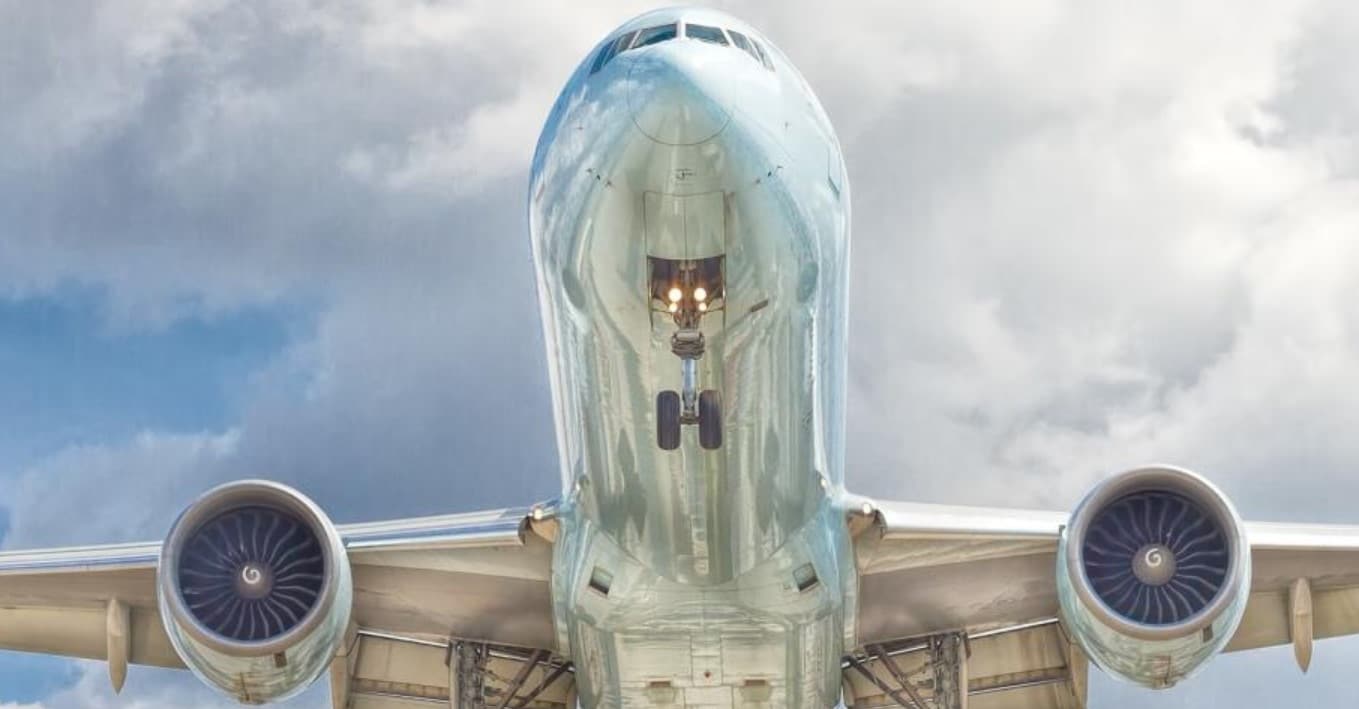
Dublin Airport’s passenger cap poses a “real and immediate risk” to Ireland’s economic growth, IATA Director General Willie Walsh has warned.
Speaking to the Joint Oireachtas Committee, Walsh described the country’s aviation sector as a strategic national asset currently under threat, as airlines begin looking elsewhere for future growth.
Walsh said air connectivity underpins Ireland’s role “as a global, outward-looking economy”, adding that it enables “trade, tourism, foreign direct investment” and supports the country’s integration into international business, technology and innovation networks.
Moreover, he described Dublin Airport as “the state’s primary international gateway, and the country’s hub”, warning that “when its capacity is constrained, Ireland’s international connectivity, competitiveness, and economic growth are constrained with it”.
He said aviation contributes “more than US 20 billion to Ireland’s GDP” and supports “approximately 128,000 jobs”, while “air-enabled tourism” generates “a further US 22 billion”.
According to Walsh, those benefits depend on airlines being able “to grow where demand exists”.
In that context, he said the long-standing passenger cap at Dublin Airport now poses “a real and immediate risk”, because it “restricts route development, limits consumer choice, and undermines Ireland’s attractiveness for investment and tourism”.
He added that uncertainty around capacity means airlines are already “evaluating alternative airports for future growth”, warning that such decisions “may become permanent”.
Walsh said the General Scheme of the Dublin Airport (Passenger Capacity) Bill 2026 is therefore “both necessary and urgent”, as it would replace “an outdated planning condition with a modern, transparent mechanism” enabling the minister to act when the cap is causing “economic or connectivity harm”.
That harm, he said, “is happening today” and “will continue to impact Ireland’s competitiveness if not resolved quickly”.
He also stressed that timing is critical, noting that airlines begin planning for the Summer 2027 season this September, with Dublin Airport’s capacity declaration due by October 1.
Wals said, “If certainty is not restored before then,” he said, “airlines will be forced to plan on the assumption that the cap remains.”
He added that once capacity assumptions are embedded through “capacity declaration and slot allocation processes”, they become “difficult to unwind”, while “once airlines’ aircraft, crews, and schedules are allocated to other routes, decisions are unlikely to be reversed”.
As a result, he warned, Ireland risks losing connectivity “that may not return”.
At the same time, Walsh said IATA fully understands that “environmental compliance is required”. However, he cautioned that “extended sequencing of processes, consultations, and information requests can push timelines far beyond what the industry’s global scheduling system can accommodate”.
In that context, he said “prolonged uncertainty would itself cause significant harm”.
Walsh said the bill gives the government “the tools it needs”, adding that what matters now is “using them quickly and decisively”.
He said, “Swift enactment and commencement are essential,” he said, “to protect Ireland’s connectivity and economic resilience.”
He added that IATA “strongly supports urgent passage of this legislation”, because “the risks of delay are significant and avoidable”.
“Ireland needs a functioning framework,” Walsh said, “that reflects the realities of global aviation and protects its role in international air transport.”



Click here to change your cookie preferences