
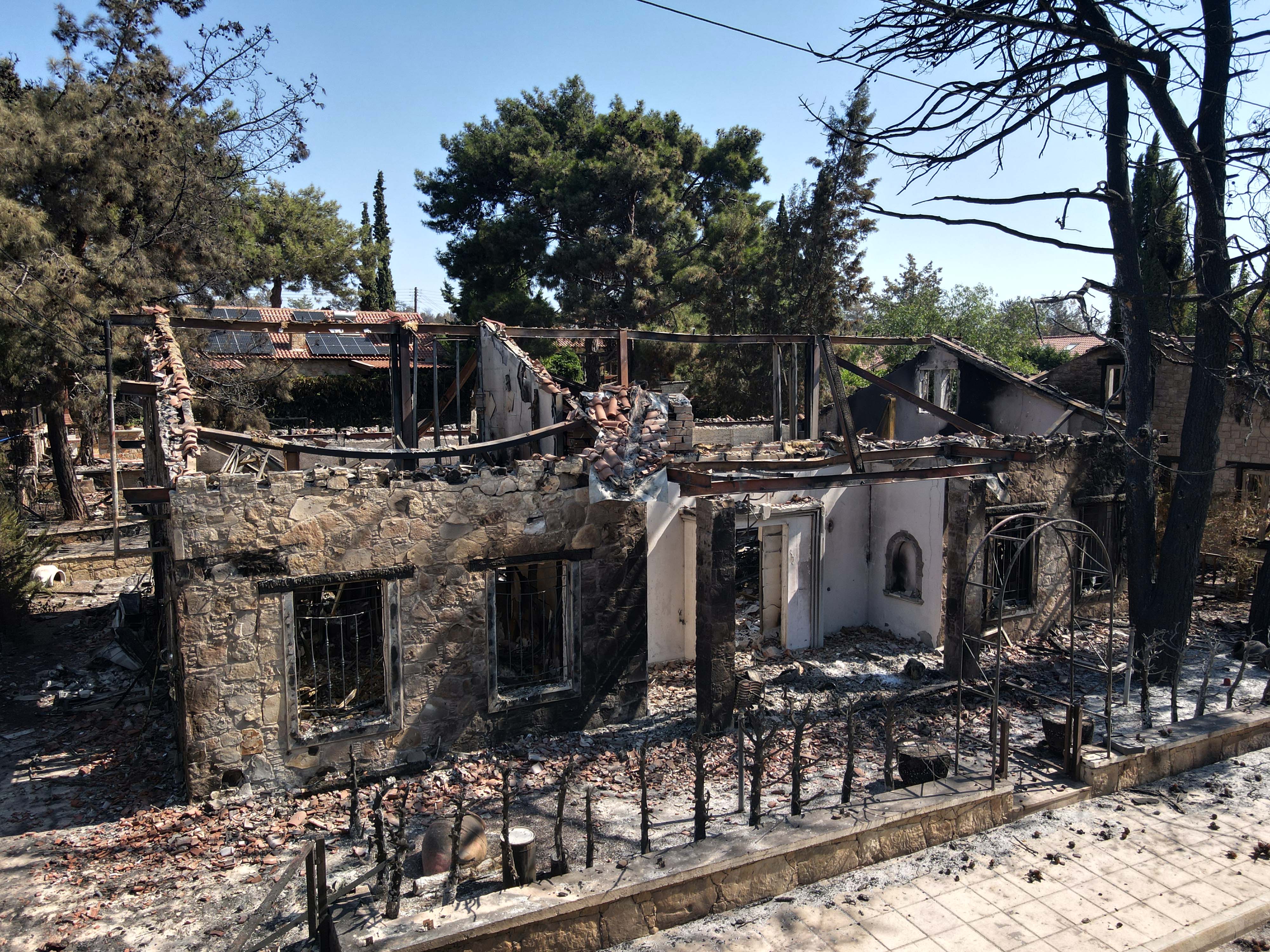
Agriculture Minister Maria Panayiotou was censured in a parliamentary report into the management of the wildfire which tore through the Limassol district and killed two people last summer, with the report lambasting her response to the fire and her appearances at House committee sessions held to examine that response.
The report also lamented broader “serious weaknesses and shortcomings in the existing fire management system”.
Of Panayiotou’s role, it wrote that she had “systematically avoided answering questions” put to her during joint sessions of the House interior, agriculture and environment committees which were convened to examine the state’s response to the fires.
Instead, it said, she had “tried to transfer the responsibility of coordination” to fire brigade chief Nikos Longinos.
Additionally, the report said that Panayiotou had “refused to justify the absence” of her ministry’s permanent secretary Adreas Georgiou during the wildfire.
Georgiou had been designated as the coordinator of the various involved organisations in response to the fire, but had instead travelled to Australia to commemorate the anniversaries of the 1974 coup d’état and invasion
The report also stated that “despite repeated efforts” made by environment commissioner Antonia Theodosiou to hold a meeting with Panayiotou to discuss the environmental restoration of the fire-affected region, Panayiotou “never held a meeting with her regarding the whole matter, for reasons which were not explained”.
Theodosiou had last summer publicly defended Panayiotou’s decision not to meet her, saying that the fact no meeting had been held was not a serious issue, and that the perception that it was had been manufactured by some for political purposes.
Nonetheless, the report took the opposite view, and in closing its section on Panayiotou’s role, was categorical.
“[Panayiotou], based on what was said before the committees, did not, in general, adequately fulfil her duties, and, in addition, despite her presence during the debate, did not facilitate the work of the committees and the exercise of due parliamentary oversight,” it stated.
It also accused Georgiou of adopting “a similar position” in this regard.
Police chief Themistos Arnaoutis was also singled out in the report. It said of his role that the justice ministry had informed the committees that the police were responsible for deciding which roads should be closed during the fire, but that Arnaoutis “avoided giving explanations for why the road on which two people lost their lives remained open”.
In more general terms, the report lamented “significant contradictions” in statements made by public officials both while the fire was burning and after it had been put out.
“Significant contradictions were found between public statements made by ministers and other state officials which were made during the first days after the devastating fires and their respective statements before the committees,” it said.
It added that those joint committee sessions, various public figures had “refused to answer questions from MPs which were repeatedly asked”.
“In particular, the initial response time to the fires in question was 15 minutes, instead of the six minutes which had been stated by the authorities in the first days after the fires,” it said, before adding that the first firefighters to arrive on the scene had employed “basic firefighting equipment from a neighbouring village” to Arsos, where the fire broke out.
This, it said, “did not allow for a more timely and therefore more effective response to the problem”.
Later, the report lamented “difficulties … in communication and coordination with the civil defence”, which it said “resulted in delays providing guidance to villages and uncoordinated or fragmented evacuation processes”.
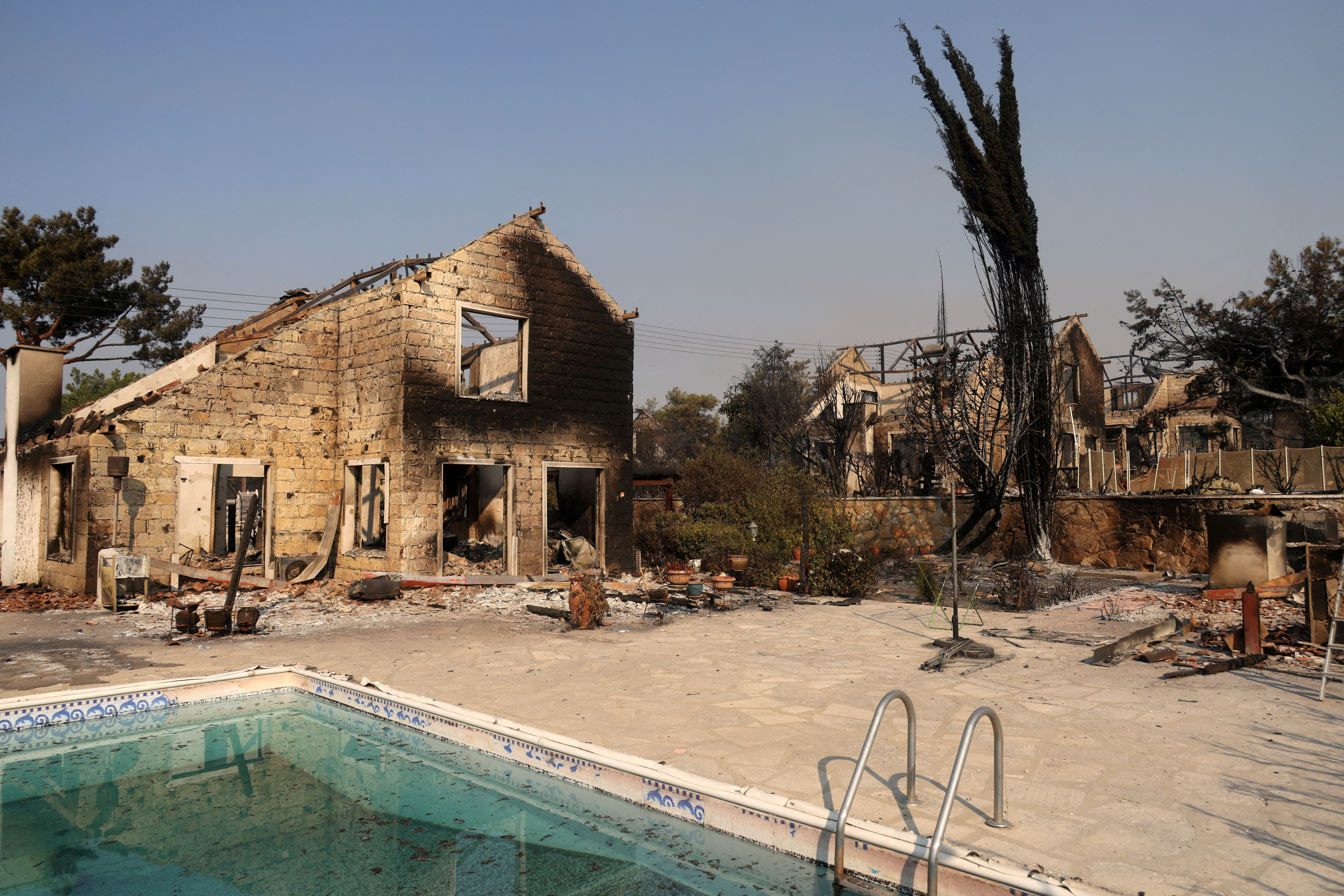
It said that then civil defence chief Maria Papa, who has since been transferred to the audit office, “did not provide significant explanations for the serious deficiencies which occurred in some … villages during the evacuation of fire-stricken areas”.
To this end, it said that the “lack of clear operational guidance” left village mukhtars forced to “act autonomously to evacuate areas”.
“As some of the affected mukhtars stated, if they have followed the recommendations they had been given in advance, they would have led their residents into affected areas,” it said.
It did, however, note “incidents of exceptional dedication and self-sacrifice” on the part of individuals who belong to the civil defence, the fire brigade, the forestry department, and the national guard, as well as of other volunteers.
“However, it was pointed out that the actions … were not supported by an institutionalised and clearly defined central coordination mechanism,” it said.
As such, it stressed a need to “clarify the responsibilities of the stakeholders” and to “modernise the systems of communication and the strengthening of the civil defence with adequate and appropriate trained personnel”.
“In this regard, it is considered necessary to draw up a comprehensive strategic plan for the prevention and suppression of fires, taking into account the impacts of rural abandonment and climate change,” it said.

Click here to change your cookie preferences