
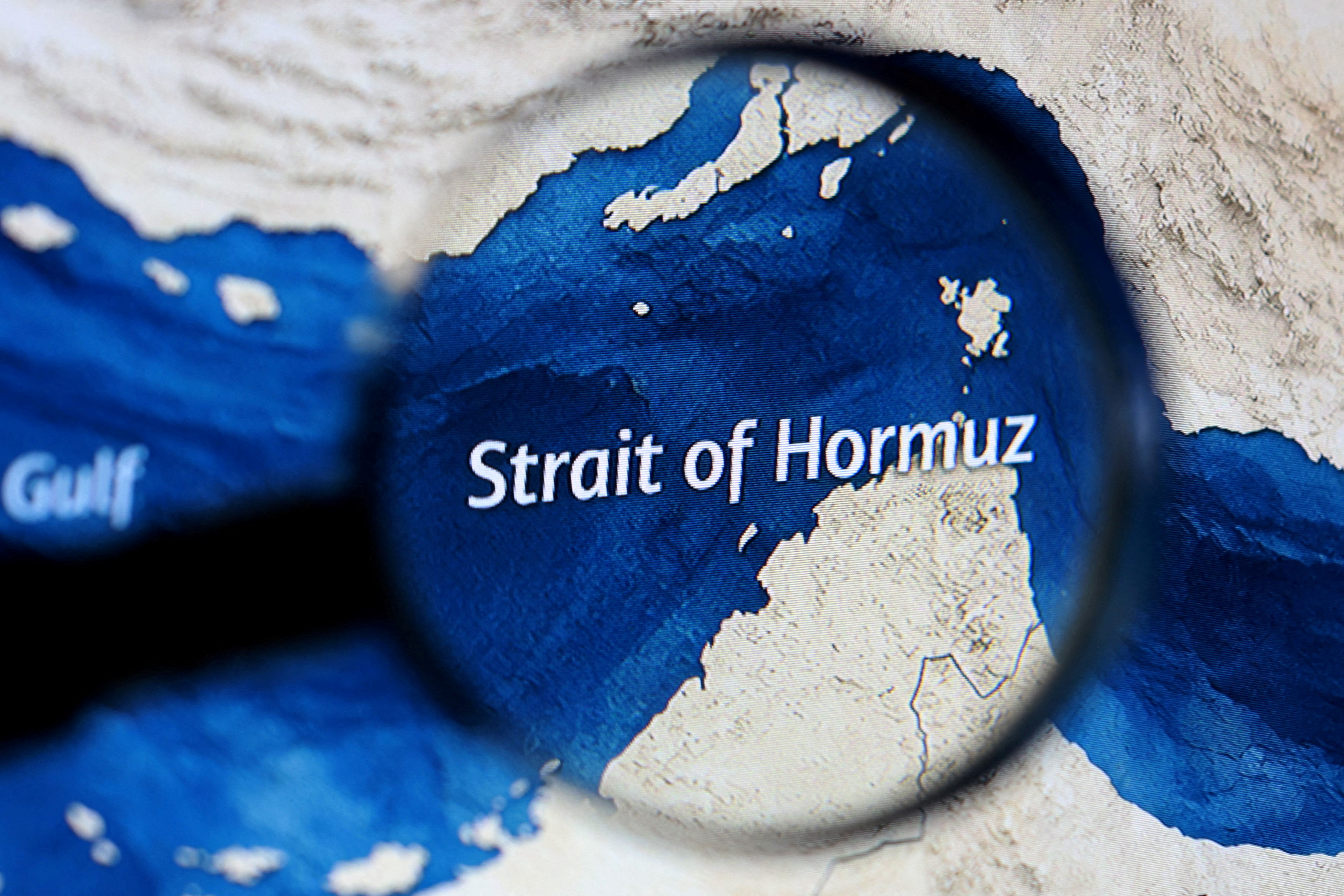
A temporary ceasefire in the Middle East has offered only limited relief to global shipping and oil markets, with analysts warning that the Strait of Hormuz remains open under restrictions rather than normal conditions.
Speaking to newmoney, Alketas Drosos of EOS Risk Group, Yiannis Parganas of Intermodal and Demetris Roumeliotis of Xclusiv Shipbrokers said the truce has not restored normal market functioning, but merely created a fragile pause in an already distorted environment.
Drosos said the ceasefire currently allows passage through the Strait of Hormuz, although not under normal operating conditions.
Navigation, he noted, is taking place following coordination with the Iranian authorities, while “technical restrictions” suggest limited capacity and some form of prioritisation.
Although there is no formal ban on vessels linked to Western interests, he said the backlog of ships in the Persian Gulf is likely to result in delays and selective passage, with possible priority given to ships tied to Iran or politically neutral states.
Early signs, he added, indicate that traffic remains limited, mainly to vessels connected to Iranian trade.
Parganas, for his part, said the agreed two-week truce does not amount to any meaningful normalisation of the oil market, but simply allows some of the blocked cargoes in the Gulf to begin moving again.
The sharp fall in Brent and WTI prices, he said, reflects the temporary return of those barrels to the physical market rather than any genuine recovery in supply conditions.
At the same time, he warned that the supply chain remains disrupted, as available ballast tankers are still needed for fresh loadings, the clearing of accumulated onshore stocks and the gradual restoration of production, particularly in Iraq, where shut-ins are difficult to reverse within such a short timeframe.
As a result, tonnage is being released only partially, while war-risk insurance costs, commercial transit risks and the possibility of Iranian tolls continue to discourage new cargo commitments on a free-on-board basis.
In his view, that means the market is not entering a phase of normalisation, but rather one of prolonged logistical strain, with uneven flows, shrinking available stocks and oil prices retaining a firm structural base.
Roumeliotis said the ceasefire should be seen more as a technical de-escalation than a strategic one, with the tanker market still pricing in elevated geopolitical risk.
That, he said, is visible both in insurance premiums and in the behaviour of charterers, while shipowners remain cautious about taking on fresh exposure in high-risk areas.
He added that the build-up of cargoes, combined with the mismatch between supply and available fleet capacity, is continuing to distort freight markets, driving sharp swings in rates and widening differences between routes.
That picture, he said, is being reinforced by uncertainty over how long the ceasefire will hold, as well as the possibility of a sudden return to hostilities.
Taken together, the three analysts said the ceasefire is not a turning point, but a fragile pause, leaving shipping and oil markets operating in a high-risk environment where any return to normality remains uncertain.




Click here to change your cookie preferences