
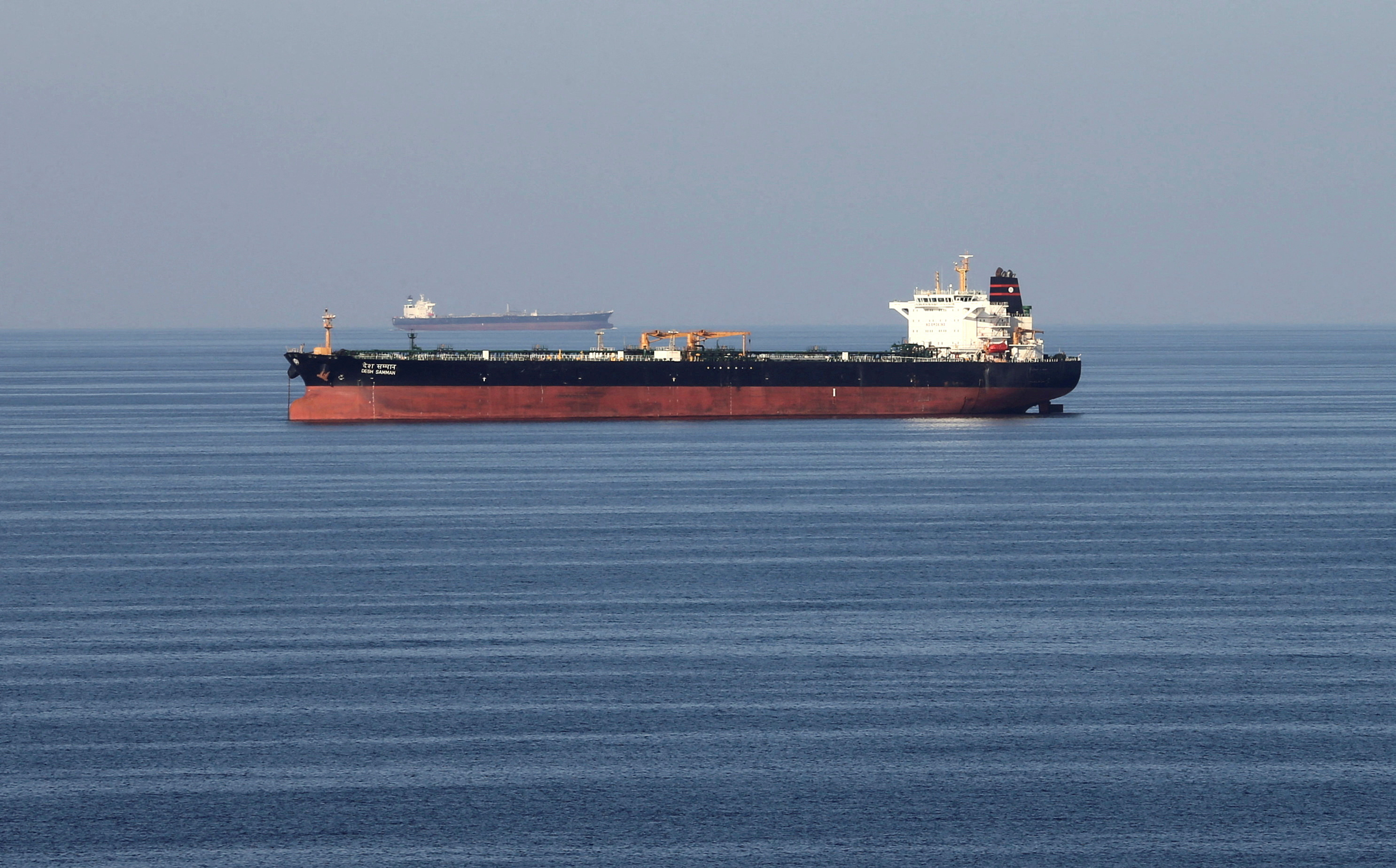
The temporary truce in the Middle East and the agreement on safe passage through the Strait of Hormuz have brought some relief to hundreds of seafarers stranded in the region, with both the International Transport Workers’ Federation (ITF) and the International Maritime Organisation (IMO) making clear that the priority now is the safe transit of civilian shipping.
Welcoming the ceasefire, IMO secretary-general Arsenio Dominguez said he was already working with the relevant parties to put in place “an appropriate mechanism” to ensure the safe passage of ships through the Strait of Hormuz, adding that the immediate priority was to guarantee navigational safety.
The ITF also welcomed the development, while warning that crews must not remain hostage to geopolitical conflict.
ITF general secretary Stephen Cotton said the agreement would bring “real and immediate relief” for seafarers of all nationalities caught up in the crisis, provided it is now translated into safe, orderly and guaranteed transit through the strait.
At the same time, however, the federation made clear that the ceasefire is not enough to restore security in the region. Rather, it said, the truce must become the starting point for permanent de-escalation and be backed by respect for international law to protect civilian shipping and the seafarers who keep it moving.
Cotton said civilian seafarers should never have been exposed to the risks of warfare, while commercial ships should never be treated as targets.
The ITF said two conditions remain essential for the safe operation of navigation, an absolute commitment that civilian vessels will not be targeted, and coordinated management of vessel movements through the Strait of Hormuz, with phased transits aimed at ensuring safe and orderly passage.
The federation also painted a troubling picture of conditions on the ground. Since the start of the crisis, it said, it has received more than 1,000 requests for support from seafarers operating in the region.
Around 20 per cent related to repatriation, while more than half concerned pay and labour rights issues under crisis conditions.
In addition, crews have reported serious shortages of food, drinking water, fuel and medical care, with Cotton saying seafarers are once again on the front line of a global crisis.
Although collective agreements such as the IBF agreement give crews in some cases the right to refuse entry into war zones, the ITF said the current crisis has gone beyond that.
Its position, the federation added, is clear: no ship should transit the Strait of Hormuz unless the safety of its crew can be fully guaranteed.
Crucially, the ITF said it has activated cooperation mechanisms with the IMO to ensure shortages are reported promptly and governments respond quickly.
That coordination, it added, is intended to help address urgent gaps in supplies and support for ships and crews stranded in the area.
The federation also said it would continue to work closely with shipowners, industry partners, governments in the Gulf and key labour-supplying nations to ensure that seafarers’ concerns are heard and that their safety, dignity and basic needs are protected.
It added that priority would be given to repatriating stranded crews and reuniting them with their families without delay.
Still, the ITF stressed that these initiatives cannot replace the need for a political solution. Its central message, it said, remains unchanged, seafarers are civilians and should never be targeted, exposed to attacks or used as collateral in geopolitical conflicts.
With the ceasefire still fragile and developments uncertain, the coming period will determine whether this temporary respite can develop into meaningful de-escalation or whether shipping will continue to operate in an environment of high risk and uncertainty.





Click here to change your cookie preferences