
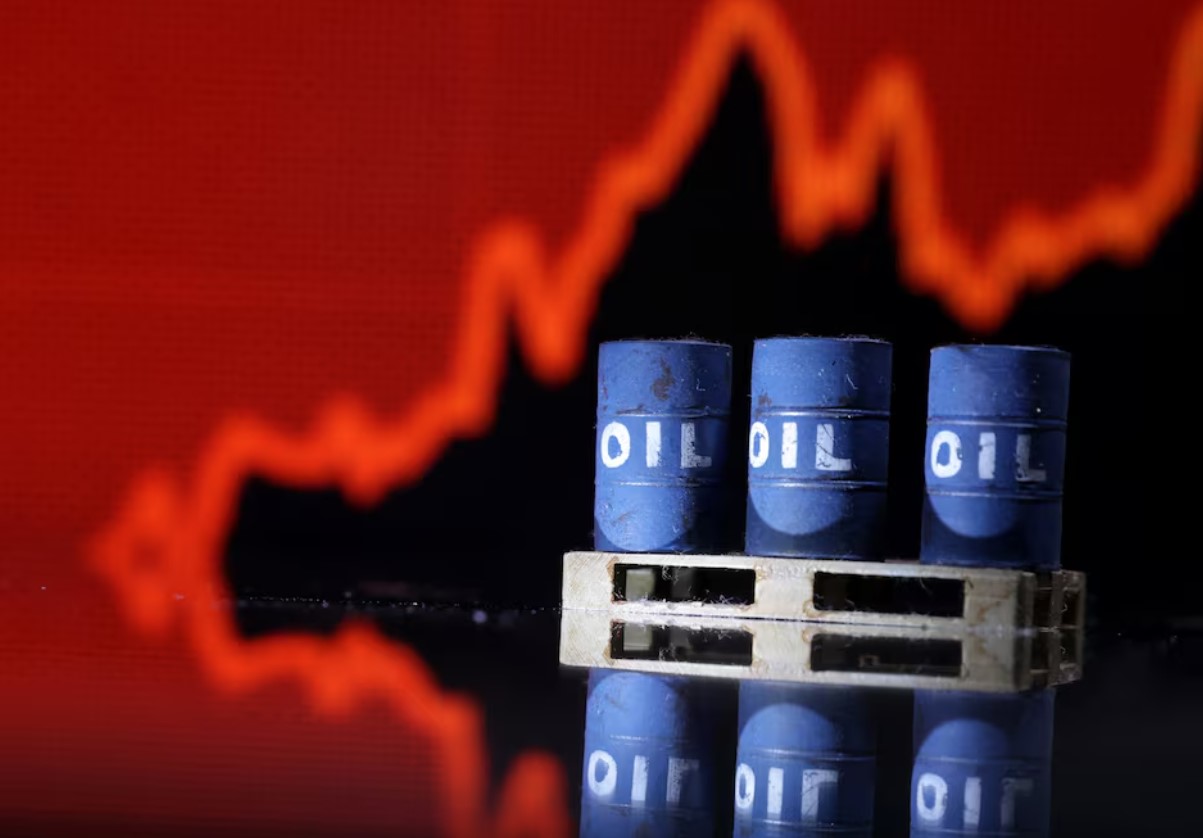
Pressures facing the transport sector, particularly rising costs linked to the crisis in the Middle East, require a coordinated response at EU level, according to Transport Minister Alexis Vafeades.
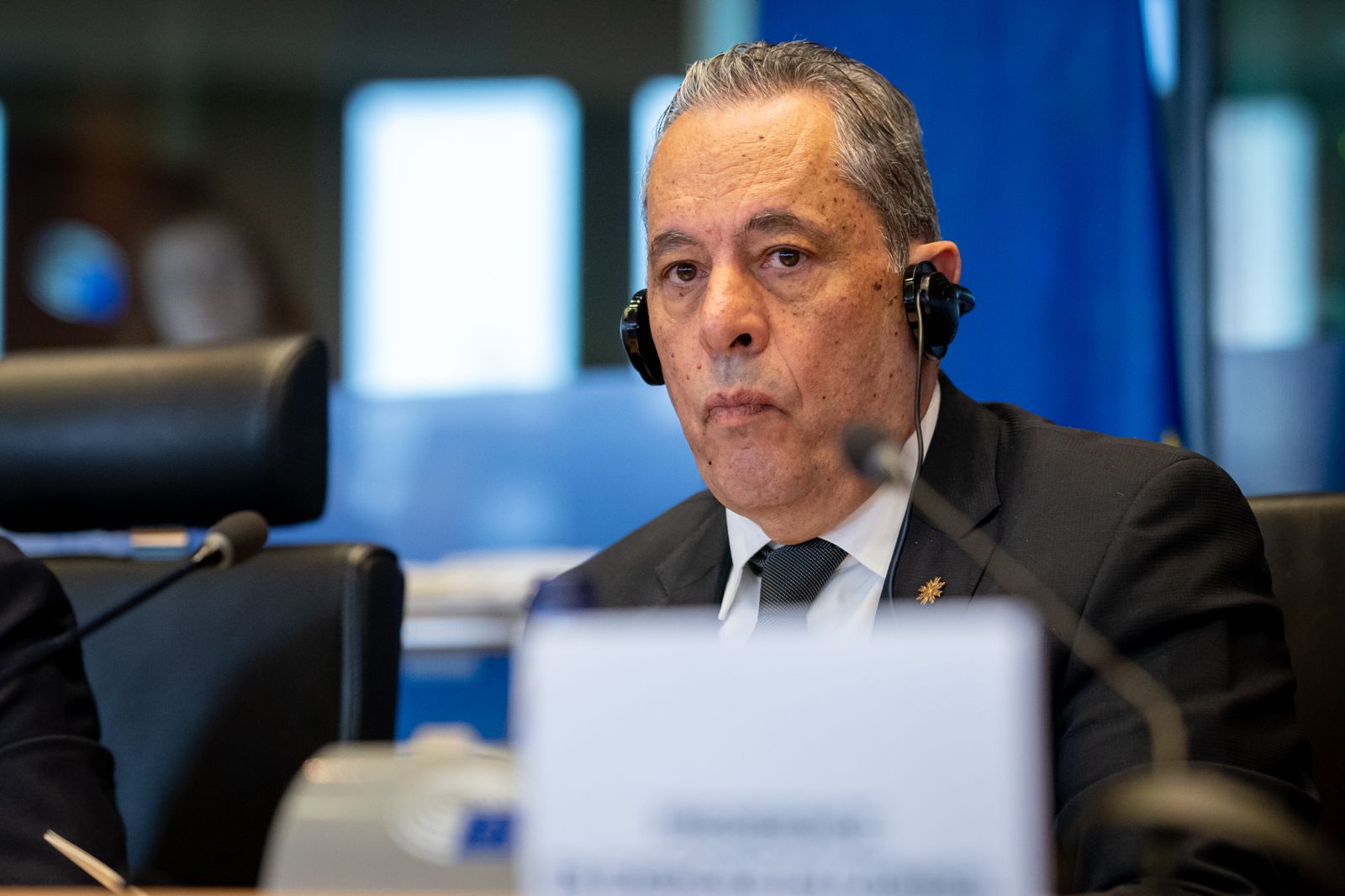
Welcoming the meeting of the Heads of Transport Administration of the EU Member States in Limassol on Thursday, Vafeades said the impact of higher fuel prices and fuel adequacy would be discussed at a videoconference of EU transport ministers on April 21, before returning to the agenda at the Informal Council on April 27-28.
He also welcomed the fact that the situation in the Middle East and its impact on transport had been included on the meeting’s agenda.
“Although we are not currently facing fuel shortages in the European Union, the ongoing instability in global energy markets is already affecting transporters, supply chains and connectivity,” the minister said.
He added that higher fuel costs are adding to wider inflationary pressures across the economy and creating uncertainty for both businesses and citizens.
Vafeades also pointed to the broader impact of developments in the Middle East, including airspace closures and the blockade of the Strait of Hormuz, saying these are increasingly weighing on global oil and fuel markets.
Those developments, he said, have driven up the price of petroleum products, especially diesel and jet fuel, with direct consequences for the European transport sector.
Referring to Cyprus’ assumption of the Presidency of the Council of the EU, Vafeades said transport policy now sits at the centre of Europe’s strategic choices.
“Transport today is no longer just about mobility, it is about competitiveness and the smooth functioning of the internal market, social cohesion and accessibility, achieving our climate goals in a credible manner and, increasingly, also about resilience and security,” he said.
He added that Cyprus, in its role as presidency, is committed to acting as a bridge builder and promoting practical, balanced outcomes.
“For Cyprus, as an island and externally bordering Member State, these challenges are immediate and tangible,” Vafeades said, adding that connectivity, energy security and resilient supply chains are strategic necessities.
He said this emphasises the need for a European response that is both ambitious and realistic, one that strengthens competitiveness, reduces dependencies and delivers concrete results for all member states.
In her opening remarks, transport ministry permanent secretary Marina Ioannou Hasapi said the discussion was taking place at a time of mounting geopolitical uncertainty.
“Developments in the Middle East and their impact on transport routes, supply chains and energy markets remind us of the need for resilience, preparedness and coordination,” she said.
Hasapi added that Cyprus, through its role in the presidency, will continue to act as an honest mediator, promoting realistic, balanced and workable solutions that reflect the diversity of the EU.


Click here to change your cookie preferences