
But opportunity to bathe in Cinema till real life starts to blur at the edges remains
It might appear that, like Mark Antony, I’ve come to bury Cyprus Film Days, not to praise it. But in fact the situation around CFD – by far the best film festival in Cyprus, taking place on April 17-25 in Nicosia and Limassol – is more complicated.
For 24 years now, the fest has been our best (or only) chance to see some of the previous year’s top arthouse titles on the big screen. Film societies do a good job, but they’re no substitute for a proper festival – a frantic week of constant screenings, each film showing twice (and twice only), all films screened with Greek and English subtitles. It’s a cinephile’s sugar rush.
This year, however, the programme – at least on paper – is disappointing.
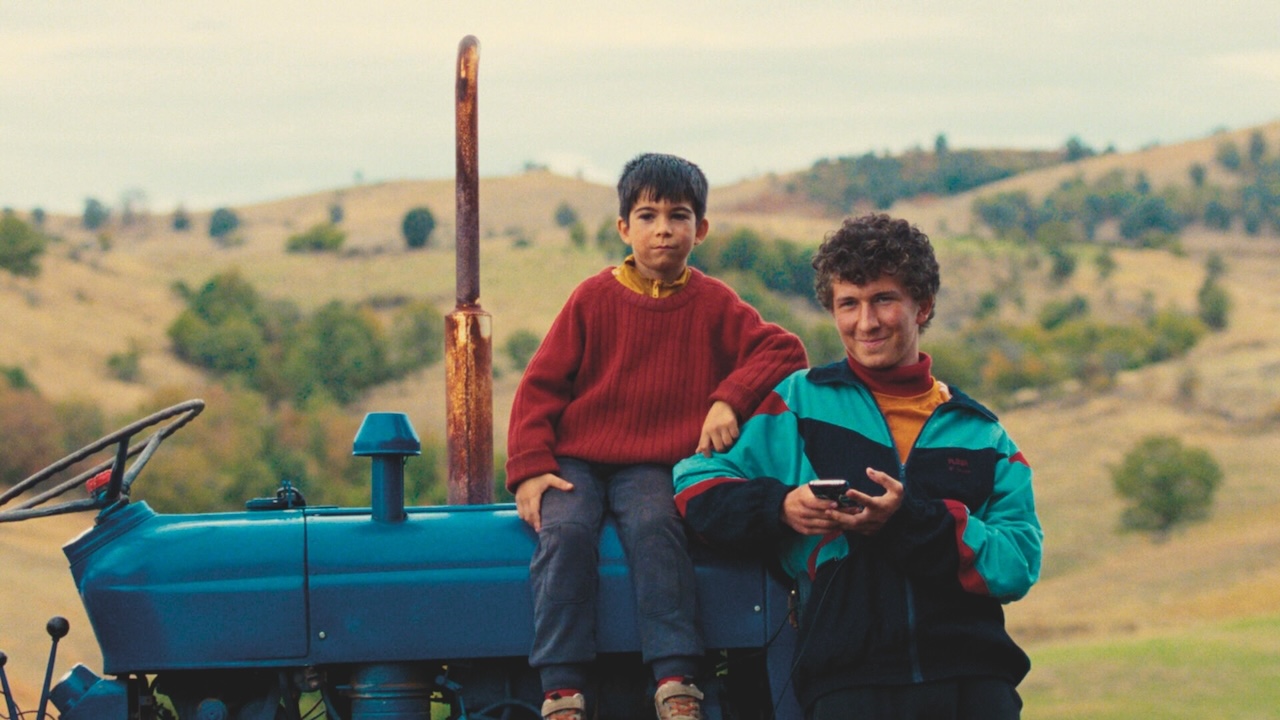
There are parallel events, to be sure, workshops and masterclasses. (It’s all on the festival website.) There’s a Children and Youth strand with at least one good film – the North Macedonia-set DJ Ahmet, which won a prize at Sundance. There are two thematic strands, Common Ground and Cinema of Dissent.
The main problem is the downgrading of Viewfinder – the festival section which, as CFD-heads know, hosts the aforementioned top arthouse titles, high-profile films that premiered at major festivals like Cannes and Venice.
In 2023 (for instance), there were seven films in that section. This year, there are only three – and, even more disappointingly, two of those (All That’s Left of You and La Grazia) have already played commercially, albeit only for a week at the Rio in Limassol.
In other words, the strand that contains what most cinephiles see as the whole raison d’être of Cyprus Film Days has been whittled down to almost nothing. In its place, the Glocal Images section (the fest’s competition, with lesser-known titles) has been expanded to 12 films, six of which have some Cypriot financing or are made by Cypriots. The whole operation seems to have been scaled down, more at the level of a local festival.
That, in a nutshell, is the bad news. Fortunately, everything else is (potentially) good news.
First and foremost, CFD is designed as an Experience, so much so that the films themselves are almost secondary. There are shows every night, at 8 and 10pm (and usually also 6pm), and the optimal strategy is to buy a festival pass for €30 – giving access to all screenings – and just go to everything, bathing in Cinema till the movies blend into each other and real life starts to blur at the edges.
Secondly, the films made by Cypriot directors are uncommonly interesting this year.
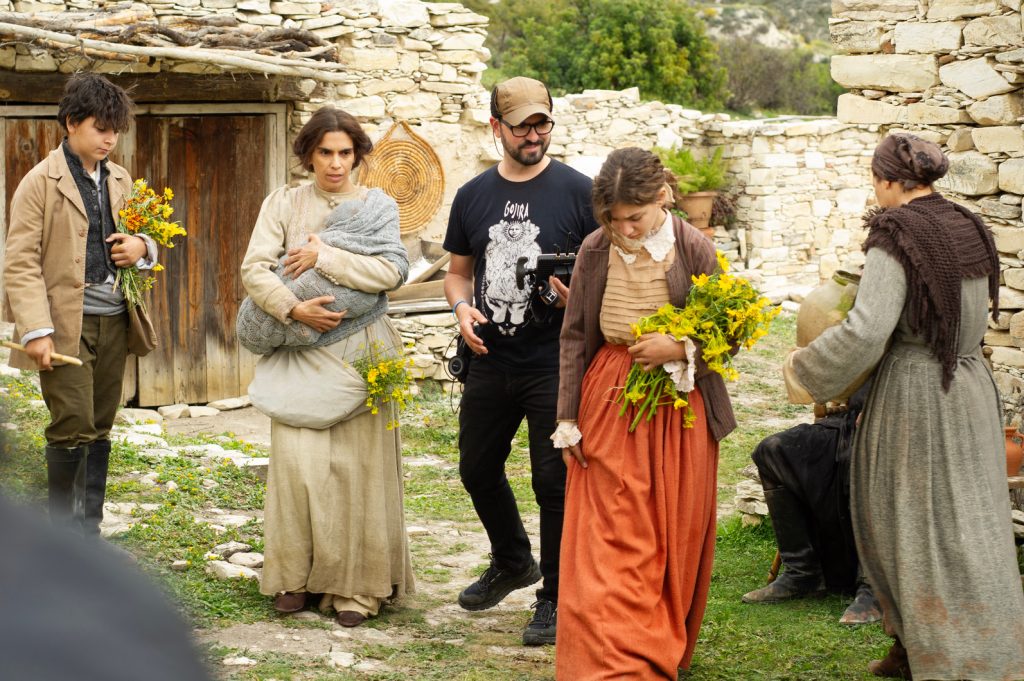
There are four in total, two of which have a US connection – especially Motherwitch, since director Minos Papas has lived in that country for decades. This folk-horror fantasy (an unusual genre at CFD) represents a kind of homecoming, shot in Cyprus and set in the 19th century when a woman accidentally summons “the ancient Kalikantzari of Cypriot lore”. The film premiered this year at Rotterdam, a big festival just a rung beneath the likes of Cannes and Venice.
Papas was also at Sundance this year, as the producer of Take Me Home by his partner Liz Sargent. That film won a prize – as did Hold Onto Me by Myrsini Aristidou, winner of the Audience Award in the World Cinema – Dramatic section in what was easily the most Cyprus-friendly Sundance ever.
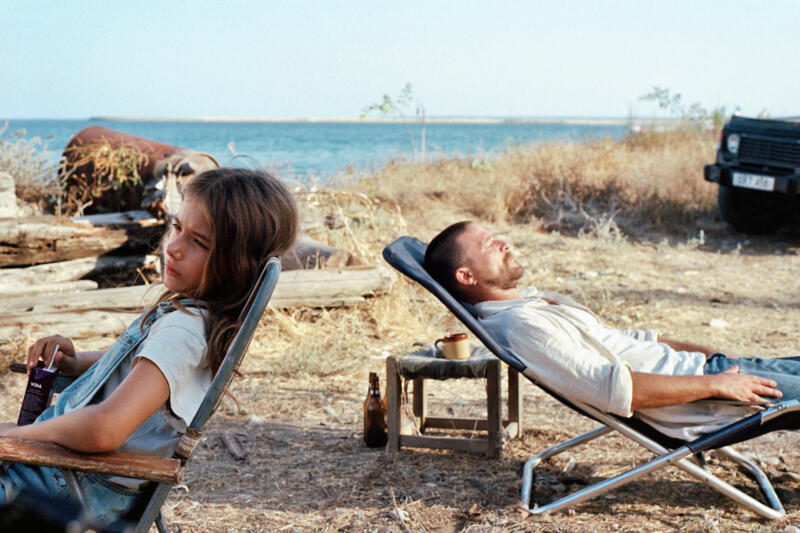
Limassol-born, NYC-trained Aristidou has been turning heads for years now, having made three acclaimed shorts leading up to this feature debut. Hold Onto Me has drawn comparisons to Aftersun, the British hit that was also, coincidentally, at CFD three years ago, being another tale of a preteen girl and her estranged dad. Sounds intriguing, not just as a character drama but also to see what Limassol looks like through the eye of a Danish cinematographer.
The other two Cypriot titles are by reliable veterans: Athens-based Elias Demetriou is here with Maricel, about a Filipino domestic worker, while Diversion is the fifth film by the admirable Marinos Kartikkis – the man with the most inspiring film career in Cyprus, having made most of his films with minimal resources while working full-time as an art teacher. Though admittedly he’s now retired, and Diversion (as far as I know) received state funding in the usual way.
Talk of personal cinema, made at great cost by stubborn filmmakers, brings us to the third bit of good news – the existence, despite all the talk of scaling down, of two must-see movies, the kind that were always the point of CFD.
The first is Sound of Falling, winner of the Jury Prize at last year’s Cannes – an extraordinary, two-and-a-half-hour psychological epic, made on a tight budget by director Mascha Schilinski.
The film has been tagged with a feminist slant, being about four generations of women and girls at a farmhouse in Germany – but in fact it’s more universal, and even more extraordinary. Its true subject is the actual sensation of being alive – the knowledge that this body will one day stop working and the unreality of the self, the fact (as someone notes) that we see everyone else from the outside, but ourself only from the inside. It’s a great movie.
Even greater is Yes, by Israeli director Nadav Lapid. If I could recommend only one film that everyone should see, it would be this one – though of course not everyone will like it. It’s too divisive: too tasteless, too grotesque, too much in general.
Showing (ironically, given its title) in ‘Cinema of Dissent’, Yes explicitly cites George Grosz – the satirical painter of Weimar Germany – but speaks to a very specific moment, Israel in the wake of the twin shocks of October 7 and Gaza.
“The Israelis, who grew up with the question ‘How could people live normally while perpetrating horror?’, have themselves become the answer,” says someone, leaving no doubt as to which shock is the more consequential.
But the film isn’t just a polemic, playing more as a nervous breakdown in a country living through its own nervous breakdown – and it’s also surreal and thrilling, all dance breaks and passionate clinches and flights of fancy. This is wrenchingly personal cinema, and perhaps the most important film of the year.
Then again, who can say? The fourth bit of good news – the fourth reason to feel optimistic about CFD – is that the line between must-see movies and hidden gems is fuzzier than it seems.
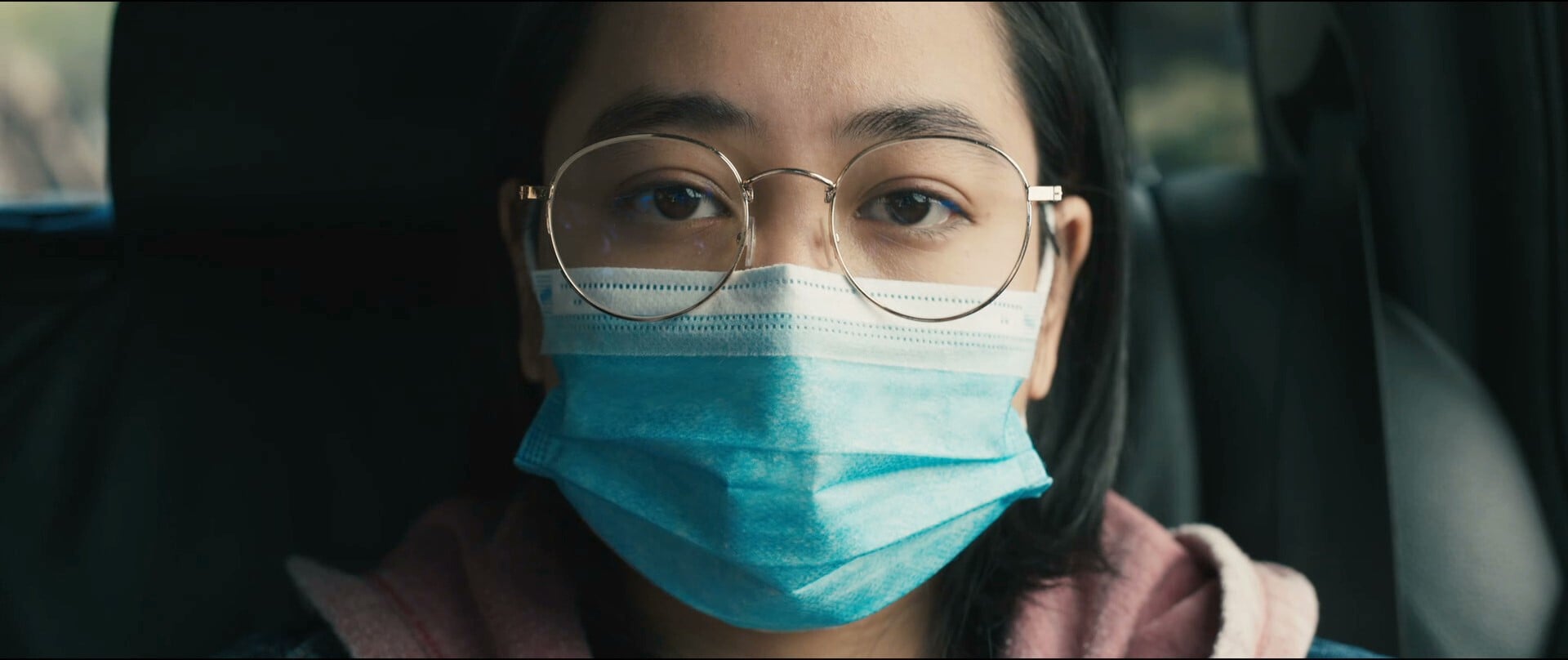
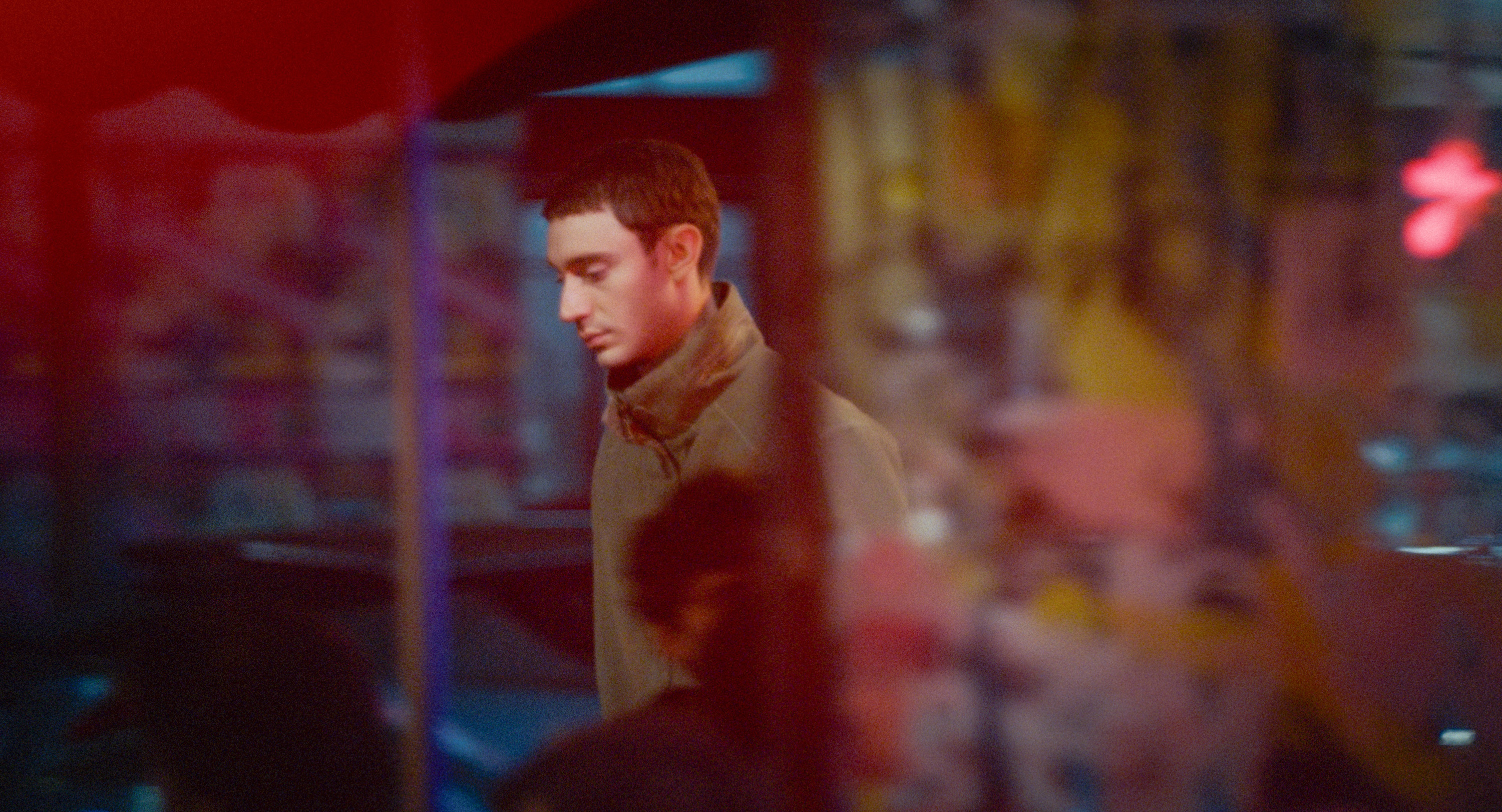
I’ve seen only one film from the Glocal Images slate – and admittedly it’s the most prestigious one, but it still didn’t look much on paper. Nino, by French director Pauline Loquès, did admittedly play at Cannes and win two Césars (the French Oscars) – but it played in the more obscure Critics’ Week and won Best First Film and Best Male Hope, not the major awards.
Major, schmajor… This droll tale of a young man’s weekend odyssey as he reels from a medical diagnosis is admittedly low-key but quite delightful, with a fine performance by gangly beanpole Théodore Pellerin as our none-too-assertive hero.
The tone is tender, wrapped around a poignantly lost Millennial confusion – my favourite bit being perhaps the girl who’s freezing her eggs while she works on her issues, but still worries slightly that in a few years’ time (when she herself will surely be much happier) the defrosted eggs will still carry the anxiety she has now.
Bottom line? Being well-known is no guarantee of a film’s superiority, and the more obscure fare will very often sneak up on you. Nino is the kind of small ‘festival film’ that makes festivals worthwhile. That goes for you too, Cyprus Film Days.


Click here to change your cookie preferences