
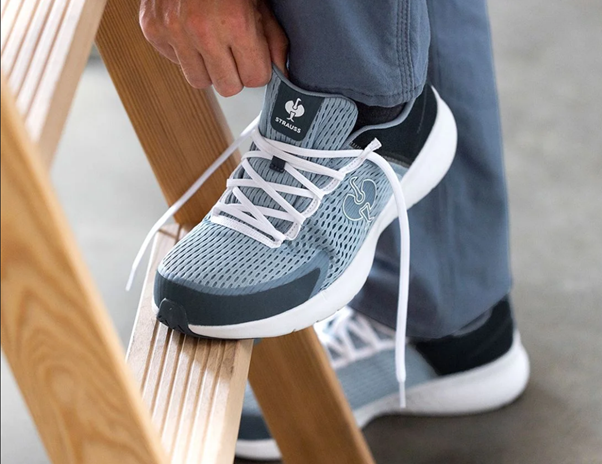
The foundation of any occupational health and safety strategy is often the most basic: the footwear worn by the staff. While high-tech surveillance and rigorous machinery protocols are standard in modern industry, the daily well-being of a workforce relies on reliable personal equipment. Industry leaders like Strauss have demonstrated that modern safety trainers in workplaces are essential for preventing acute injuries while maintaining the long-term health of employees. By combining ergonomic athletic design with stringent protective standards, these shoes have become a staple in environments where agility is as important as physical defence.
In many professional sectors, the risk of foot-related accidents is a constant reality. Whether navigating a busy logistics centre or a complex construction site, the choice of footwear is not merely a matter of comfort. These specialised shoes provide a necessary barrier against environmental risks, ensuring that workers remain agile and protected throughout their shifts.
Importance of footwear for workplace safety
Footwear serves as the primary interface between a worker and their environment. In high-risk areas, the importance of specialised shoes cannot be overstated. Beyond simple protection from impact, the right shoes ensure stability and physiological health. When footwear is neglected, the entire kinetic chain of the body, from the ankles to the lower back, is put at risk.
- Impact Protection: Reinforced toe caps shield the feet from heavy falling items or compression hazards.
- Slip Resistance: Advanced rubber tread patterns provide vital traction on oily, wet, or uneven surfaces.
- Electrical Hazard Protection: Many models offer specialised insulation against shocks in high-voltage areas.
- Chemical Resistance: Synthetic materials prevent corrosive substances from reaching the skin during accidental spills.
Reducing workplace injuries through proper shoes
Technically advanced footwear reduces injuries by addressing the root causes of common accidents. When a worker wears shoes with adequate shock absorption, the physical strain on the joints is significantly minimised. This ergonomic support is vital for preventing long-term fatigue and chronic pain, which often lead to decreased alertness and a higher likelihood of secondary accidents on the job.
Furthermore, durable soles with high traction ratings directly combat the frequency of slips and falls, which remain a leading cause of workplace absence. In environments where sharp debris is a concern, such as recycling centres or demolition sites, puncture resistance is essential to prevent nails or metal shards from piercing the foot. By mitigating these specific workplace hazards, companies can foster a safer culture and reduce the insurance costs associated with medical leave.
This proactive approach is particularly relevant as the PEO urges no compromise on safety at work measures to ensure that labour standards remain high across all sectors. Consistent use of high-quality professional workwear is a proven method for lowering accident rates and improving overall employee morale.
Definition and use of safety trainers
Safety trainers are a specialised category of protective footwear that mimics the appearance and weight of standard sneakers while meeting official safety certifications, such as the EN ISO 20345 standard. Unlike traditional heavy leather boots, these safety trainers are lightweight and flexible. This makes them ideal for workers who are constantly on the move or working in confined spaces.
They are extensively used in logistics, light manufacturing, and the trade industries. Because they offer a modern aesthetic, employees are more likely to wear them consistently. This ensures that safety protocols are followed without sacrificing personal comfort. These trainers often utilise breathable fabrics to manage moisture, which is vital for maintaining foot health during long shifts in warm climates.
According to the latest figures from Eurostat regarding accidents at work, the proactive adoption of such protective gear remains one of the most effective ways to drive down injury statistics. Ultimately, the goal of any safety program is to ensure every worker returns home healthy. By focusing on the quality of footwear, employers address a frequent source of injury and invest in the sustainable productivity of their team.
DISCLAIMER – “Views Expressed Disclaimer – The information provided in this content is intended for general informational purposes only and should not be considered financial, investment, legal, tax, or health advice, nor relied upon as a substitute for professional guidance tailored to your personal circumstances. The opinions expressed are solely those of the author and do not necessarily represent the views of any other individual, organization, agency, employer, or company, including NEO CYMED PUBLISHING LIMITED (operating under the name Cyprus-Mail).





Click here to change your cookie preferences