
World’s largest marine protection NGO urges ban on destructive bottom trawlers
The relationship between Cyprus and the sea is as deep as the ocean itself, but as deep as that connection runs, so do the threats facing Cyprus’ sea.
The climate crisis and rising temperatures, overfishing, pollution and a range of other environmental pressures are placing a strain on the island’s maritime ecosystem.
A new study examining the state of Cyprus’ maritime environment has now shed light on the challenges confronting marine life and fishing today, while also proposing potential solutions aimed at ensuring the sea’s sustainable management for generations to come.
“Cyprus has a clear opportunity to strengthen its coastal economy while protecting the sea it depends on,” said Odran Corcoran, policy advisor at Oceana Europe, the world’s largest NGO focused exclusively on marine protection.
Speaking at the presentation of his organisation’s findings in Nicosia, Corcoran explained the significance of Cyprus’ territorial waters for the island, stretching from tourism and leisure to biodiversity.
According to Oceana’s findings, Cyprus’ blue economy made up for an estimated gross value of €1.8 billion in 2022, with more than 56,000 people finding employment in the sector.
“In the case of Cyprus, the urgency of building marine climate resilience is particularly high, given the accelerated rate of warming and associated impacts in the Eastern Mediterranean sea,” Oceana warned.
And it doesn’t stop there. The maritime environment – despite being heavily threatened by human activity – also has the power to protect us.
For example, Oceana mentions the Mediterranean sea grasses such as Posidonia oceanica, which can provide crucial coastal protection against the impacts of climate change.
Conversely, their degradation can exacerbate the effects of sea level rise, further demonstrating why protecting the maritime environment is so essential – particularly for an island like Cyprus.
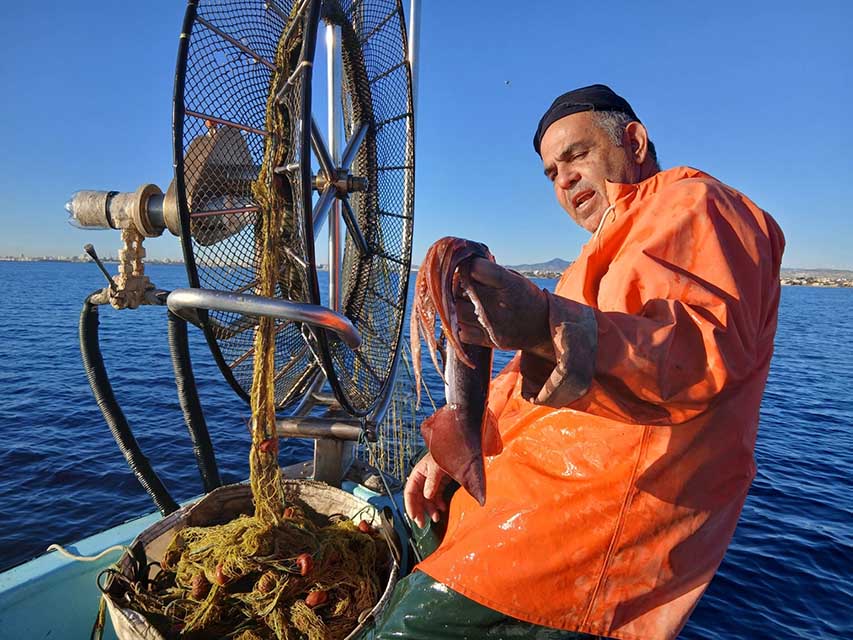
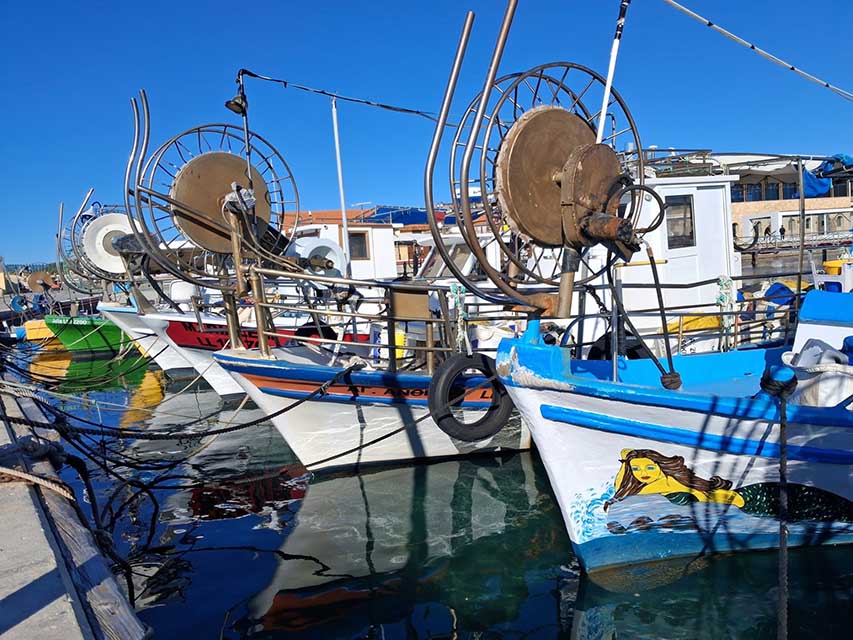
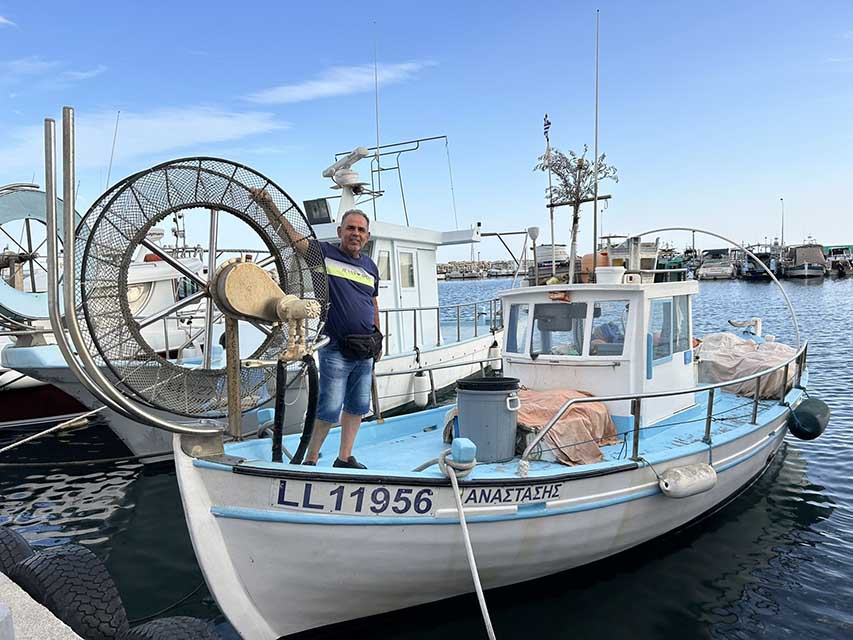
The majority of Cyprus’ fishing fleet, 95 per cent, is small-scale and uses mainly passive gears close to the shore, posing less grave effects on the environment than larger vessels.
Yet, Cyprus’ fishing fleet also includes so-called bottom trawlers. These are larger fishing vessels, more than two times an average small fishing boat, reaching an average length of 22 metres according to data analysed by Oceana.
They are particularly harmful to the environment, as they use big nets and sweep up everything they find on the seabed, sometimes causing irreversible damage to the maritime environment and at times discarding up to three quarters of their bycatch.
Thereby, bottom crawling poses a serious threat on the maritime environment, contributing to declining catches for small-scale fishers and threatening the long-term viability of fishing communities.
“Bottom trawling can damage the seabed in seconds, but the damage lasts for decades or longer,” said Oceana.
Between 2021 and 2025, a total of five such bottom trawlers appeared to be active in Cyprus’ territorial sea stretching over more than 22 kilometres (12 nautical miles).
Together, they recorded more than 750 hours of what Oceana described as “apparent bottom trawling”.
“Of these, Cypriot vessels recorded the most activity.”
The data analysed by Oceana suggests that one of the two vessels may have trawled for a limited time, 52 hours in total, in Cypriot waters in 2024 and 2025 and indicates that in addition, another three Italian-flagged trawlers have trawled inside Cyprus’ territorial waters for around 56 hours.
According to the organisation, the main fishing grounds identified were off Akrotiri bay, along the coast between Larnaca and Limassol, Cape Gata, Chrysohou bay and along the coast of Paphos.
And it is precisely this limited level of trawling activity that would make the introduction of sustainable environmental protections far easier.
“Given the limited bottom trawling activity within territorial waters, creating an exclusive coastal zone can safeguard vulnerable habitats and support Cypriot coastal communities at minimal cost,” Corcoran said.
Creating preferential access areas (PAAs) as a means to protect coastal communities recognise the important environmental, economic and employment benefits.
Such action, he added, would put Cyprus at the forefront of promoting welfare in small-scale fishers, as well as marine protection in the European Union and in the Mediterranean.
“It’s a win-win.”
Initially Cyprus had proposed the permanent cessation of bottom trawling for the last two remaining bottom trawlers active in its territorial waters in 2021. In its findings, Oceana, however, pointed out that this has not yet happened.
Now, how could such a long-term solution look like?
This would effectively mean a complete prohibition of bottom trawling in Cyprus’ territorial waters which, by establishing a so-called preferential access area which would both safeguard the broader marine zone, reduce direct competition for traditional fishers in the coastal zone, mark a precautionary measure at a low socio-economic cost and also strengthen protection for Cyprus’ marine protected areas (MPAs), located wholly or partly within the 12 nautical mile zone.
“The pressure from bottom trawling fisheries inside the 12 nautical mile zone, albeit limited, should be removed once and for all,” Oceana said.
Similar measures have already been in introduced by 44 countries worldwide including India, Indonesia, Mexico and Ghana and are actively supported by the local fishermen.
“Coastal fishermen depend directly on a healthy sea in order to continue our profession,” the union of professional coastal fishermen said.
Expressing its support for the creation of a PAA and banning trawling activity, the group says it considers its establishment particularly important for the survival of more fish in coastal areas.
“We believe this will contribute to more stable catches and better conditions for professional fishermen in the future,” the union said.





Click here to change your cookie preferences