
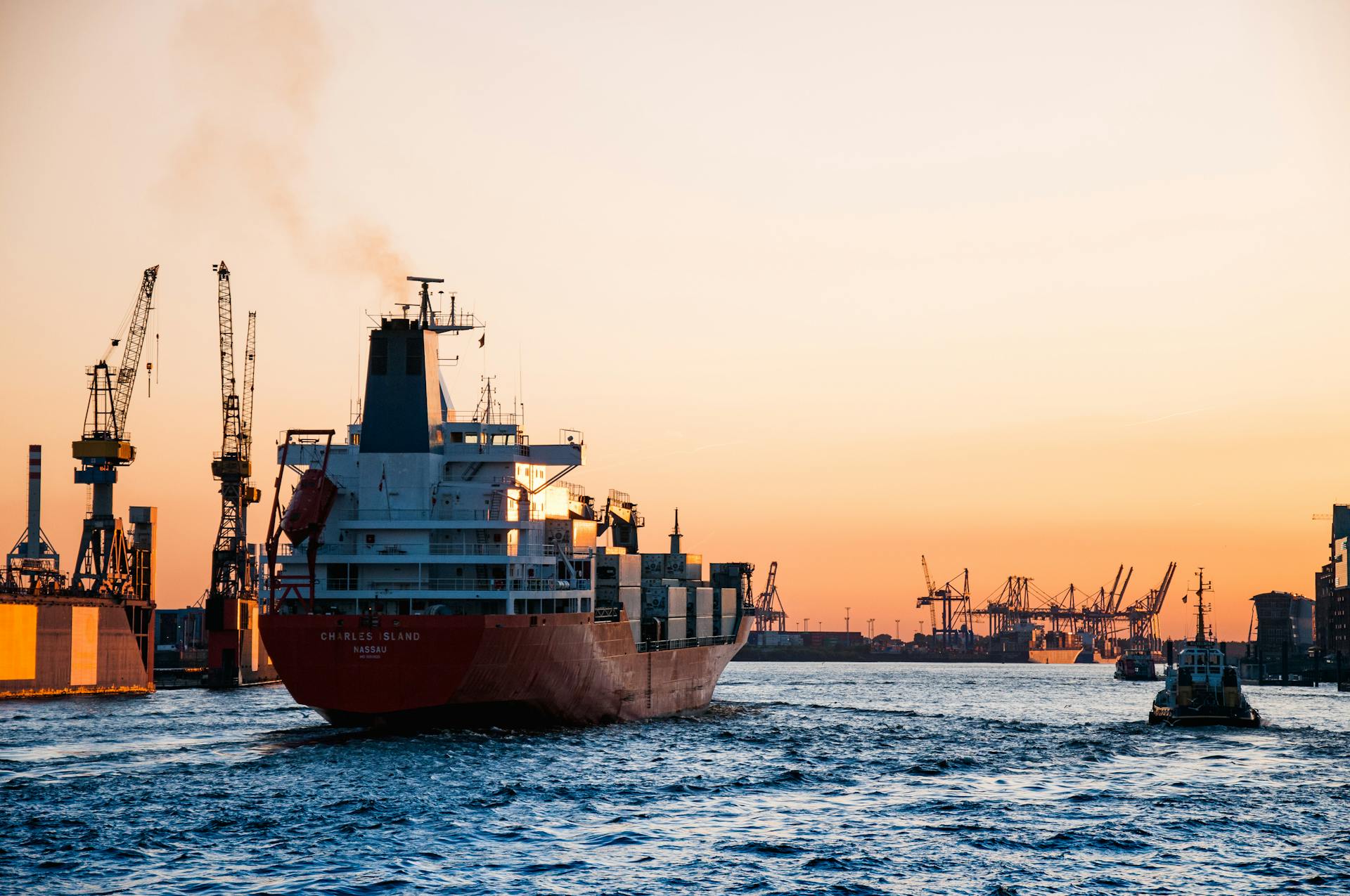
A profound breakdown between authority and accountability is actively reshaping the modern maritime industry, leaving ship masters to carry the professional consequences of decisions micro-managed by shore-side teams.
The widening systemic gap was highlighted in a comprehensive industry analysis by Sunil Kapoor, a partner and chief operating officer at Oesterreichischer Lloyd Shipping Group.
Writing for prominent maritime industry publication Splash, the veteran executive argued that corporate power structures mean captains increasingly bear total liability for decisions shaped by owners, charterers, managers, and external experts.
Drawing on more than forty years of extensive shipping experience both at sea and ashore, he noted that official paperwork and regulatory certificates rarely reflect the true operational story of a vessel.
The industry analyst recalled once taking over the management of a twenty-year-old ship that other firms had quietly chosen to avoid, demonstrating how a vessel is too often unfairly judged solely by its age.
Though all valid certificates and completed surveys indicated the ship was entirely seaworthy on paper, stark operational realities proved otherwise within mere days of it leaving port.
The vessel sailed via Cape Town to China whilst closely following weather routing advice, a practice that highlights how modern captains face severe commercial consequences if they dare to deviate from shore instructions.
The voyage resulted in structural damage and potential seawater ingress into the cargo holds after encountering severe weather for nearly ten days, raising questions as to why the routing was never challenged.
The captain later clarified that detailed noon reports had been copied to owners, charterers, and managers, assuming that someone ashore would have actively analysed the data and intervened.
“From my side, I was just following instructions,” the master stated, illustrating a passive operational pattern that is becoming increasingly common across the global merchant fleet.
The analyst pointed out that a matching breakdown occurred on a refrigerated vessel carrying bananas, where the cargo ripened prematurely despite the crew sending daily ventilation and temperature logs to charterers and experts.
No guidance or response was ever sent by the shore-based teams, yet the captain was still expected to explain the commercial loss despite having zero specialised cargo expertise.
“Someone should have seen it and advised,” the captain noted after the voyage, highlighting how responsibility remains easy to place on the crew but impossible to share with the broader business.
The operational reality marks a major historical shift from earlier decades when critical problems were handled entirely on board rather than being copied, circulated, and delayed by remote corporate offices.
The exact same operational gap remains visible in environmental compliance, where the United States maintains a strict approach to MARPOL violations despite shipyards installing oily water separators that are notoriously unreliable to operate at sea.
The recurring systemic failures raise fundamental questions over whether ultimate responsibility sits with shipyards, equipment manufacturers, classification societies, regulators, or the owners themselves.
The same disconnect underpins safety failures, as enclosed space fatalities continue to occur despite well-known risks, established procedures, and repeated crew training.
Whenever a major maritime incident leads to injury, loss of life, or environmental pollution, official investigations quickly turn their focus back to the ship to examine crew failures.
The analyst recalled a telling discussion in which a company superintendent insisted that shore staff bear zero responsibility for accidents, viewing liability as something resting entirely with the ship.
The rigid mindset fails to account for the fact that ships operate in real time where weather does not wait and machinery never pauses for managerial approval.
Because authority is widely dispersed among various corporate stakeholders on shore, vital decisions are increasingly delayed by personnel who are waiting for someone else to assume the risk.
“Responsibility without authority is not leadership; it is liability,” Kapoor concluded, warning that the industry must realign command structures to protect those at sea.



Click here to change your cookie preferences