
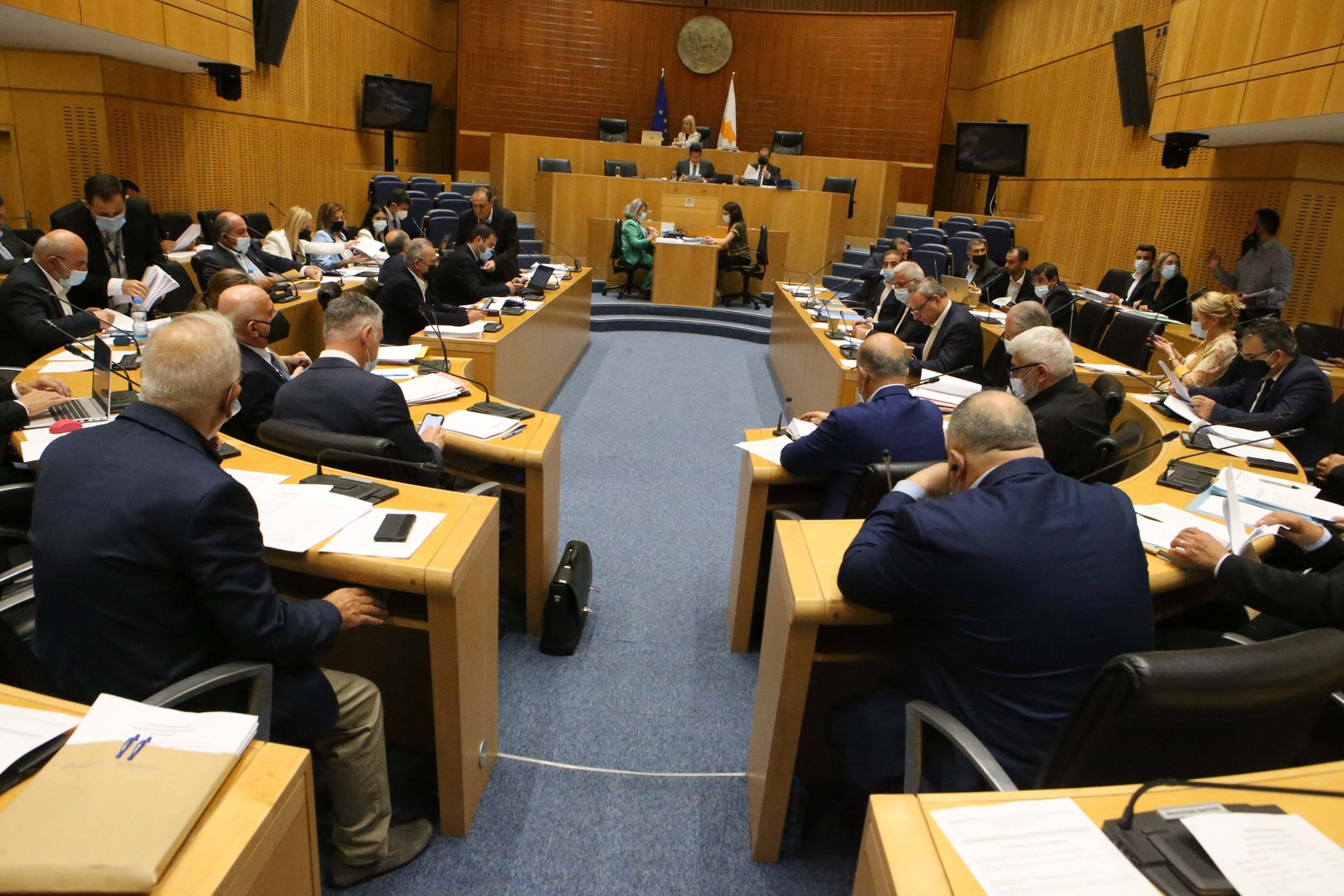
The remuneration, allowances, retirement bonus and pensions of deputies featured in news reports in the last week and reminded us that in Cyprus there is a political aristocracy that enjoys privileges ordinary people could only dream of. Over the years, generations of elected representatives have taken more care of their personal interests than those of the people they claim to serve. In fact, it is questionable whether the service they offer justifies the rewards.
The gross annual salary of a deputy is €56,300, but when allowances are added to this amount it climbs to €99,600. It is a lot of money for what is a part-time job that allows a deputy to hold another job (countless deputies have built thriving law practices while occupying parliamentary seats). The self-serving lawmakers ensured that the €43,000 allowances are not taxed, in contrast to allowances paid to people in all other professions. Deputies receive a ‘general allowance’, totaling €26,300 a year, an additional €12,300 for secretarial services – which they rarely use – and about €8,000 in travel allowance.
Almost half of their annual income is not taxed, because they voted the law exempting their so-called ‘allowances.’ They also voted the law incorporating the tax-free allowance into the calculation of their incredibly generous pension and retirement bonus. Nothing illustrates the self-serving ethos prevailing in the legislature better than these payments. A deputy who has served five years in the legislature is entitled to €90,000 retirement bonus and state pension of €1,600. For those who have served more than two terms the retirement bonus is €250,000 and the monthly pension €4,500.
The privileged treatment does not end there. As in the case of the other members of the Cyprus aristocracy – the public employees – the retirement bonus is completely tax-free, another perk that does not apply to private sector workers. And deputies, unlike the rest of the population (apart from foreign ministry employees who can collect a pension aged 50, like our president) are entitled to a monthly pension when they turn 60. This also applies to government ministers but to nobody else.
When the law extending retirement age to 65 was passed, deputies ensured it did not apply to them and ministers. No explanation was given, because there could be no rational argument supporting deputies arranging privileged treatment for themselves. A law ending this special privilege was passed last year, but it will not apply to deputies who were elected before 2025 and ministers appointed before then.
The scale of the scandalous inequality favouring elected representatives is otherworldly. Is there any other profession that guarantees a worker a €90,000 retirement bonus and a €1,600 monthly pension after five years of service? There are people who have worked for 30 years in physically demanding jobs and do not receive such a pension; nor are they eligible for a state pension when they turn 60 despite decades of hard toil. As for the €4,500 monthly pension for those who have served three terms (say, 15 years), it is more than double the maximum state pension (€2,000) received by an executive of the private sector who over a 30-year career would have contributed significantly more to the social insurance fund. Civil servants and teachers also get much higher pensions than the private sector executive, despite contributing much less to the fund.
Institutionalised inequality, imposed and protected by the political parties and their accomplices in the state sector, will remain so long as ordinary people do not protest and demand an end to this blatant form of corruption. The beneficiaries of privileges will never give them up voluntarily. Can anyone imagine a political party campaigning for an end to the special treatment accorded to the members of the political class by the state? This will never happen.
It is up to the unfairly treated second-class citizens of this country, who are the overwhelming majority, to put an end to this inequality, enshrined the law, by pressuring the representatives and the parties they vote for.





Click here to change your cookie preferences