
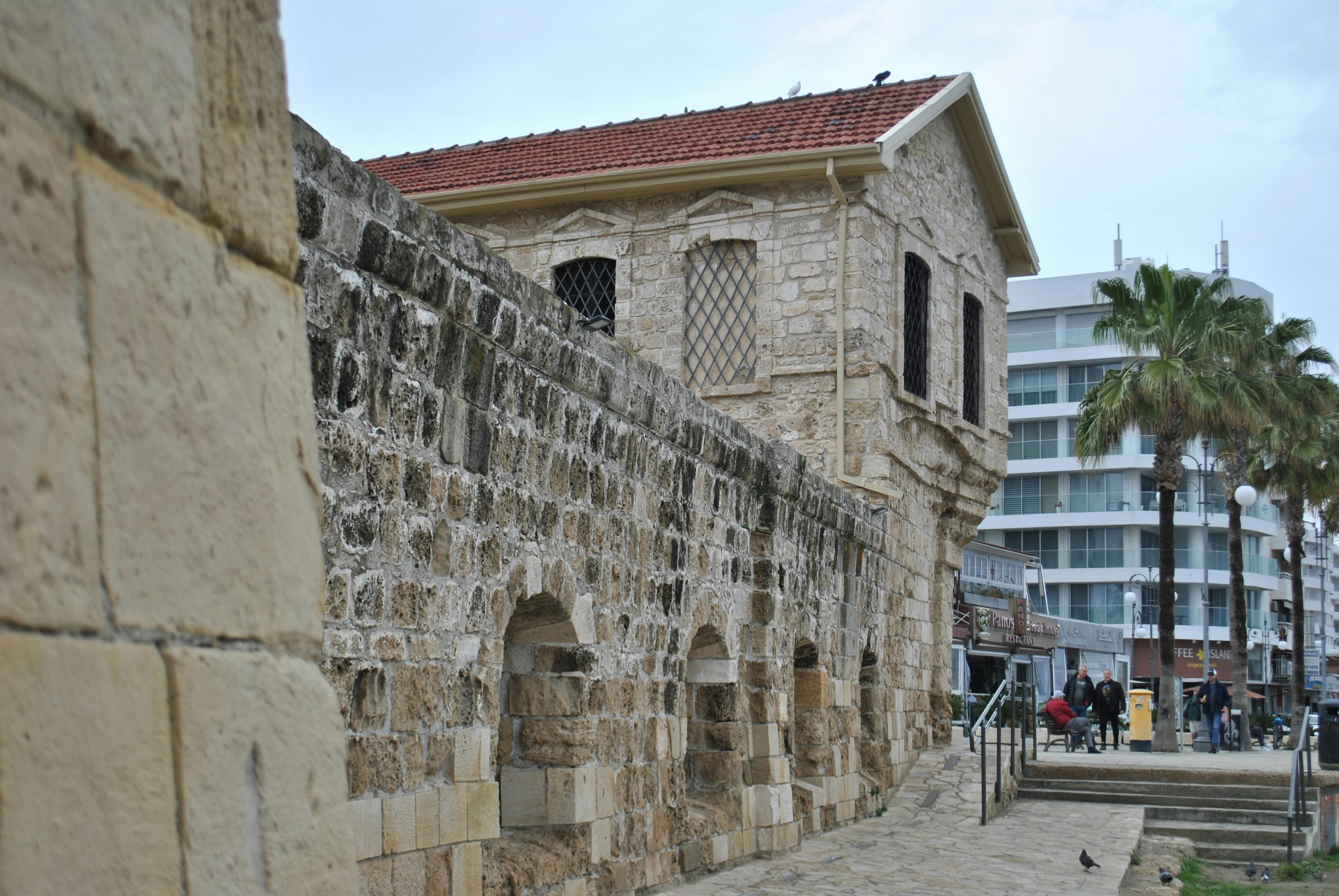
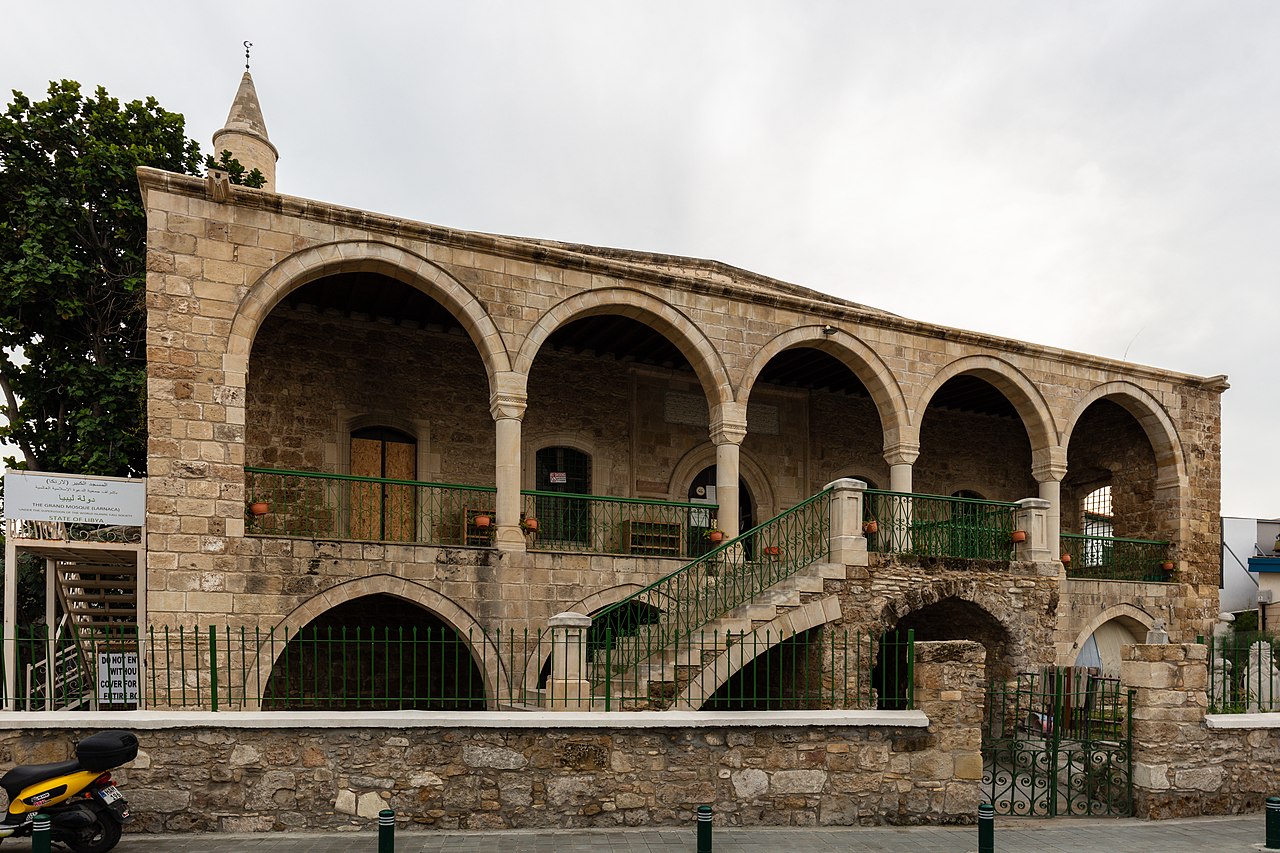
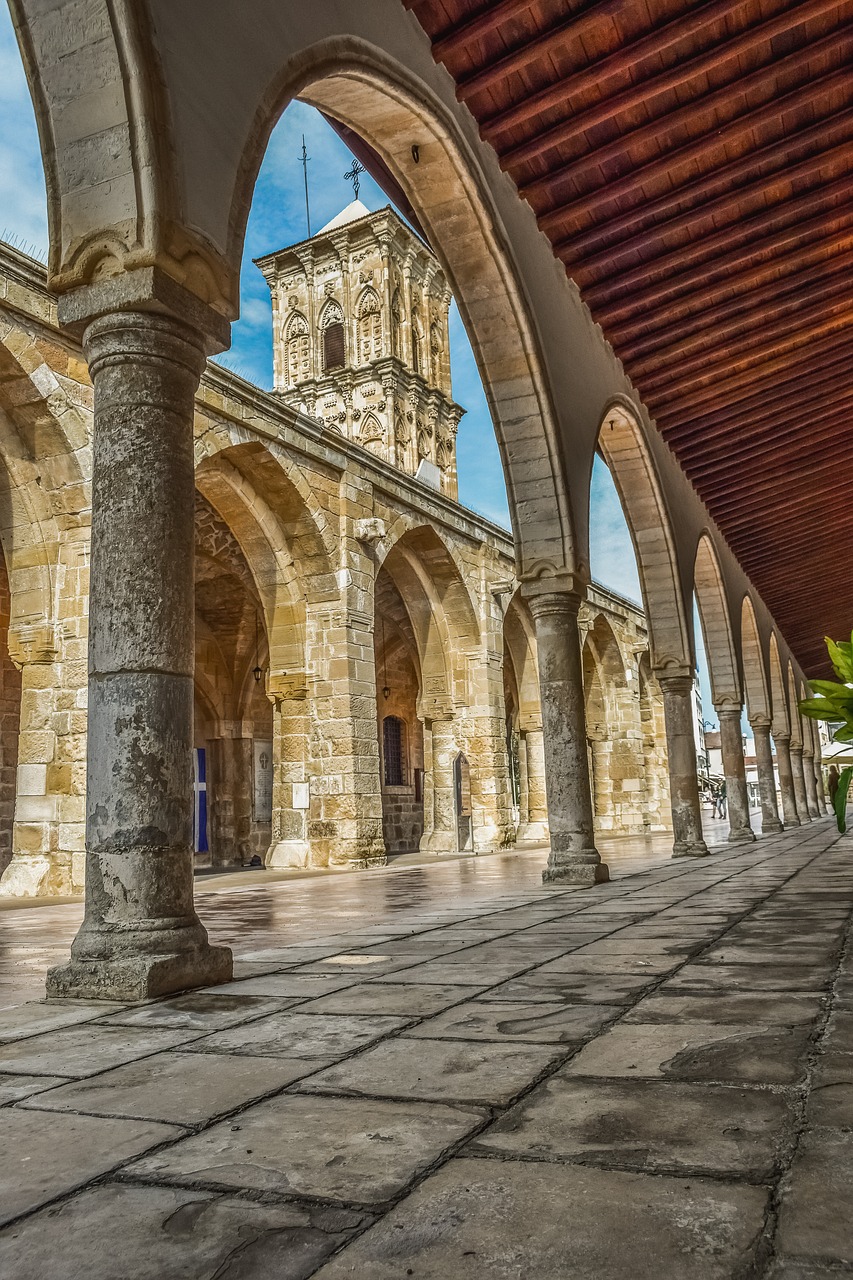
Byzantine, Ottoman and medieval histories unite in the centre of Larnaca, where within a five-minute walk it is possible to take in 1,000 years of history reflected in the landmarks of the Church of Ayios Lazarus, the Djami Kebir Mosque and the Larnaca Medieval Fort.
Standing only metres apart, these monuments reflect successive periods of Cyprus history, revealing how different religious and cultural communities shaped the city over centuries of coexistence. Although the distance between the three sites is small, the journey tells a far broader story about Cyprus’ layered past and the ways history remains embedded in the urban landscape.
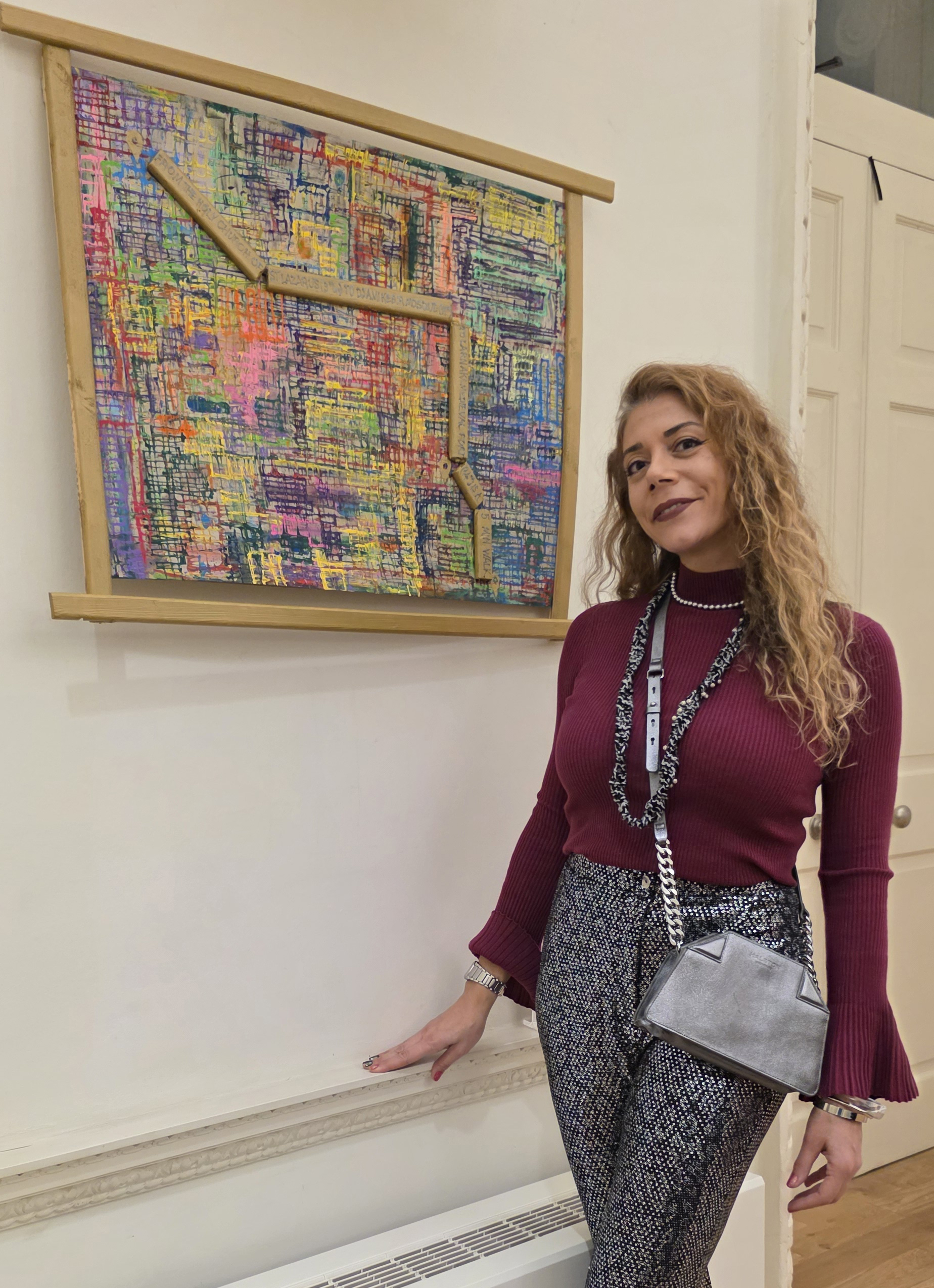
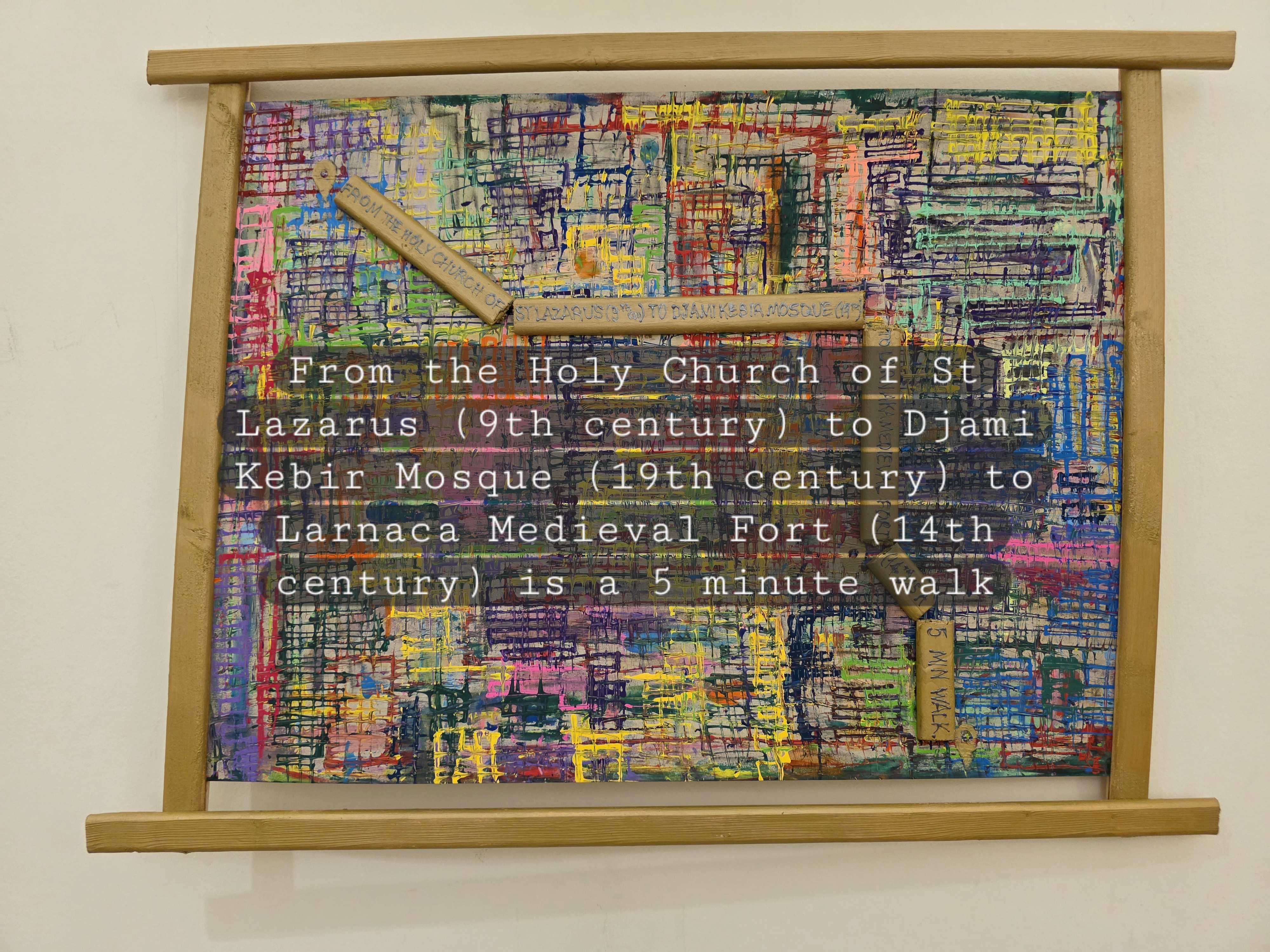
This short route inspired artist Ioanna Georgiou to encourage viewers to reconsider what an ordinary walk through the city might represent. Her piece, A Five Minute Walk is currently showing at the Cyprus High Commission in London as part of an ongoing exhibition called The Island III.
The idea for her work came from a simple moment of looking. Standing on Finikoudes Beach and facing towards the town centre, Georgiou noticed that several of Larnaca’s most important monuments appear within the same field of vision.
“It first occurred to me while I was standing there,” she says. “In the same frame, I could see the Church of Ayios Lazarus, the Medieval fort and the Djami Kebir mosque. They were strikingly close together.”
The church, mosque and fort seemed almost in dialogue with one another. What first appeared as coincidence became, for the artist, a kind of compressed history of the island.
“In short, from the Church of Ayios Lazarus to the Kebir Mosque to Larnaca Medieval Fort is a five-minute walk,” she explains. “The route takes five minutes to walk, but it took 1,000 years to be developed.”
This observation became the foundation for her work.
In its physical form, A Five-Minute Walk is made on found wood, shaped in proportion to a map of the route. Acrylic paint forms intersecting paths resembling a living mazes.
“The acrylic on card shows colourful labyrinths intersecting one another,” Georgiou says. “The vibrancy of the colour represents this lively town, and the way our paths intersect or sometimes interrupt one another.”
The frame, also made from found wood, responds to its environment. It shifts slightly with changes in temperature and weather. “Just like everything else,” adds Georgiou.
Although rooted in Larnaca, Georgiou’s perspective is shaped by time spent outside Cyprus. She visits frequently and maintains close family ties but also observes the city from a distance that has changed how she sees it.
“I experience Larnaca possibly with more appreciation and love than if I had to live in it all the time,” she says. “The beauty of its clean sea, and the town centre adjacent to the sandiest of beaches is a gift.”
She speaks warmly of places including Ancient Kition, Hala Sultan Tekke and the Larnaca Salt Lake, describing them as “valuable destinations in their own right”.
Living abroad, she suggests, can deepen attachment to home while sharpening awareness of what is often overlooked. Her time in Cyprus is also influenced by encounters not possible earlier in her life on the island.
“I met the first Turkish speaking Cypriot when I was already in my mid-twenties, while in England for my postgraduate studies,” she says. “We had been born a few kilometres apart yet could not have met on the island we both call home.”
One of the themes that emerges in Georgiou’s reflections is how Cyprus is perceived from outside.
“It is even difficult to be asked ‘Where are you from?’” she says. “Once you say ‘Cyprus’, the next question would be ‘Greek or Turkish side?’”
For her, this framing overlooks the complexity of Cyprus as an independent country with a mixed cultural and linguistic history. It also reduces lived experience into simplified categories that do not reflect everyday reality.
“At times it can feel as though other replies risk normalising the division,” she says, “something many Cypriots have experienced as deeply painful.”
How diverse communities live together is also a theme running through her work. For Georgiou, this is a felt experience shaped by daily routines, shared spaces and ordinary freedoms.
“Coexistence means having the space to enjoy life, be productive and creative, regardless of your faith or language,” she says, recalling how her time in London shaped this view. “You experience it through your workplace, colleagues, neighbours, or those beside you in the theatre.”
She envisions the same practical future for Cyprus. “Coexistence means queuing at the same supermarket,” she says. “It means knowing boundaries without borders.”
Though geographically small, the route in A Five-Minute Walk links personal memory, history and present experience into a single gesture. “Coexistence is simpler than we think,” Georgiou concludes, “if we genuinely want it to succeed.”
A Five Minute Walk is currently part of the exhibition The Island III ongoing at the Cyprus High Commission in London. The exhibition explores Cyprus as a link between East and West. Work of 19 Cypriot artists remains on show until the end of June

Click here to change your cookie preferences