
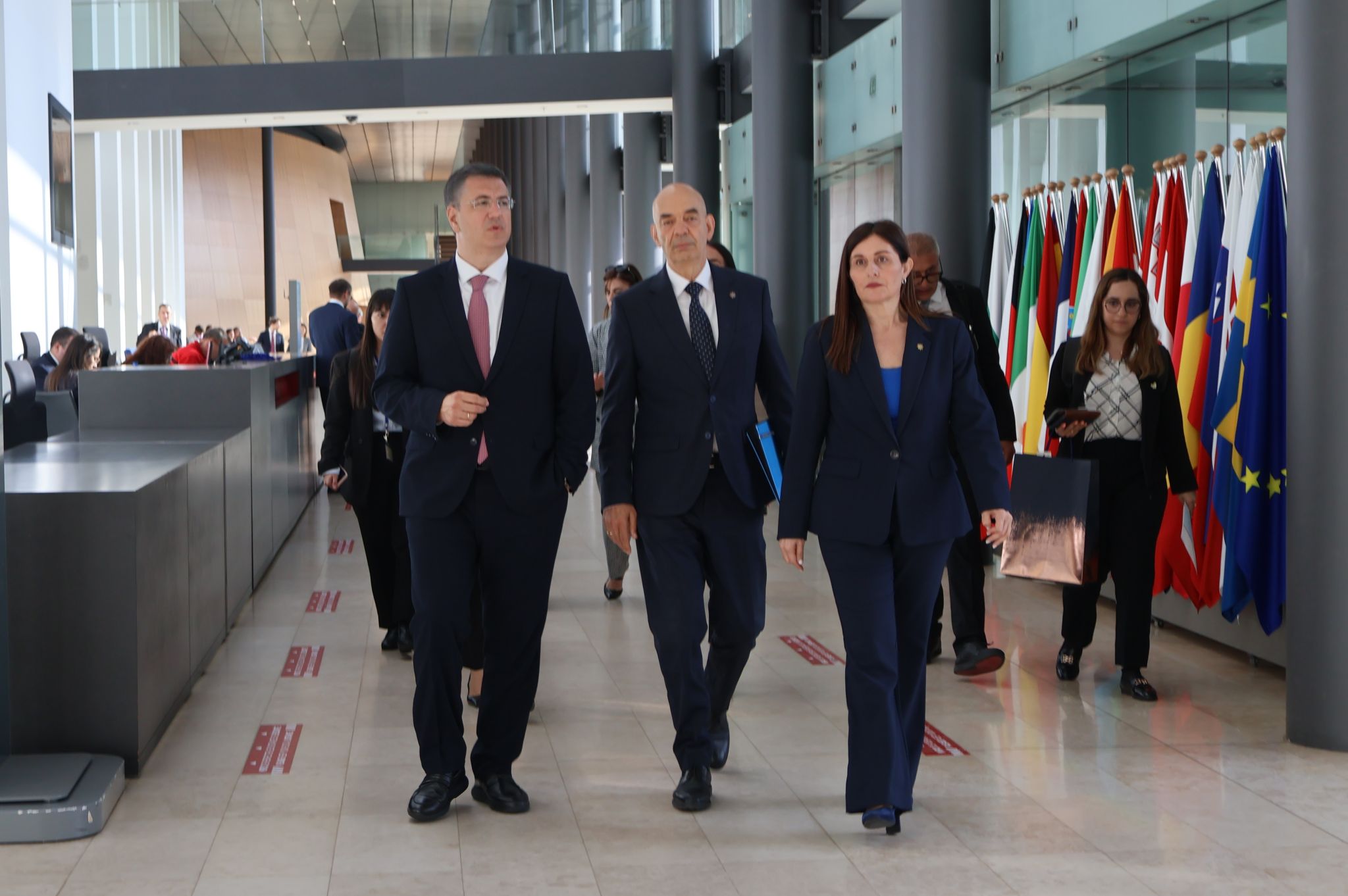
The Cyprus Presidency of the Council of the EU advanced key transport and maritime files in Luxembourg on Monday, as ministers adopted conclusions on European shipping and ports, while also discussing cleaner mobility, supply chain resilience and the sector’s decarbonisation path beyond 2030.
The Transport, Telecommunications and Energy Council, in its transport formation, was held on June 8, 2026, and was chaired by Transport Minister Alexis Vafeades and Deputy Shipping Minister Marina Hadjimanolis.
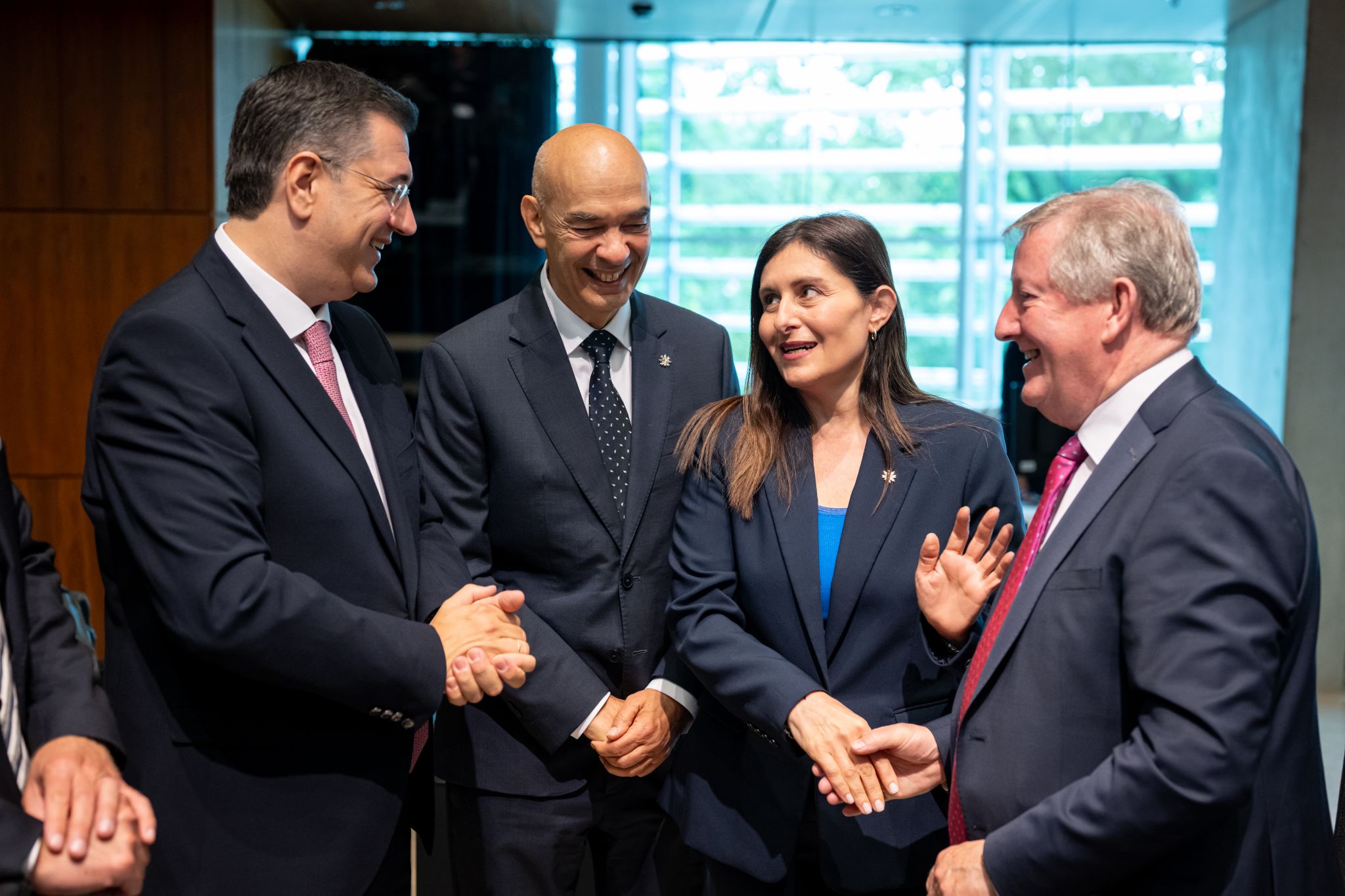
At the end of the Council, Vafeades, Hadjimanolis and European Commissioner for Sustainable Transport and Tourism Apostolos Tzitzikostas presented the results of the meeting, which centred on Europe’s competitiveness, resilience and strategic autonomy across transport and maritime policy.
For the Cyprus Presidency, the meeting brought together several priorities pursued over the past six months, from clean mobility and connectivity to the resilience of transport networks, the strategic role of ports and the future of Europe’s maritime industrial base.
Hadjimanolis initially co-chaired, together with Vafeades, the discussion on the decarbonisation of the transport sector after 2030, which focused on the revision of three key regulations for transport.
These included the FuelEU Maritime Regulation, EU legislation aimed at promoting the use of renewable and low-carbon fuels in shipping.
On maritime issues, Hadjimanolis placed the emphasis on Europe’s competitiveness, resilience, sustainability and strategic autonomy in shipping.
Recent months, she noted, had once again shown that, in an environment of geopolitical uncertainty and pressure on global supply chains, a strong merchant fleet is essential for Europe’s security, prosperity and economic resilience.
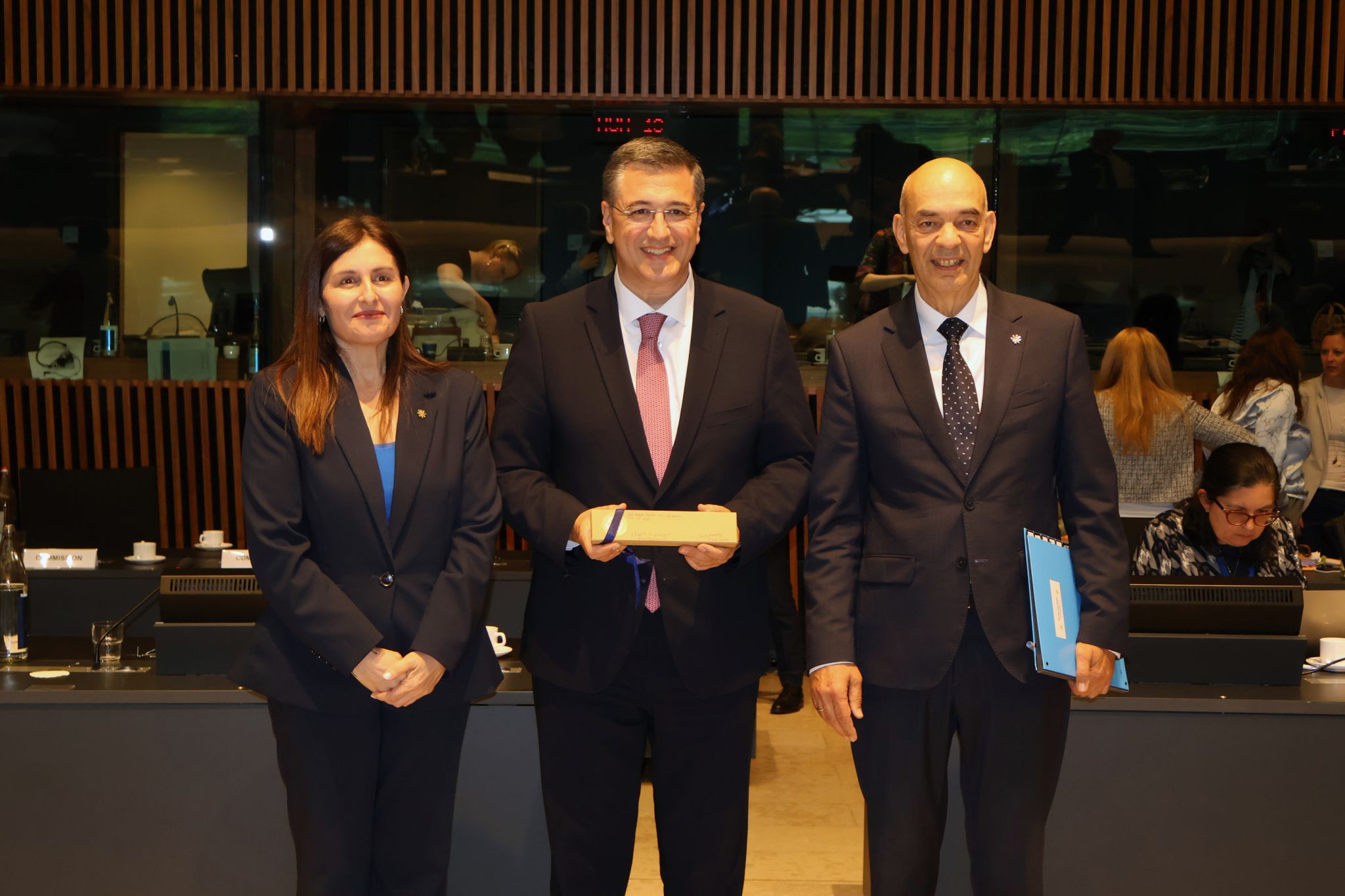
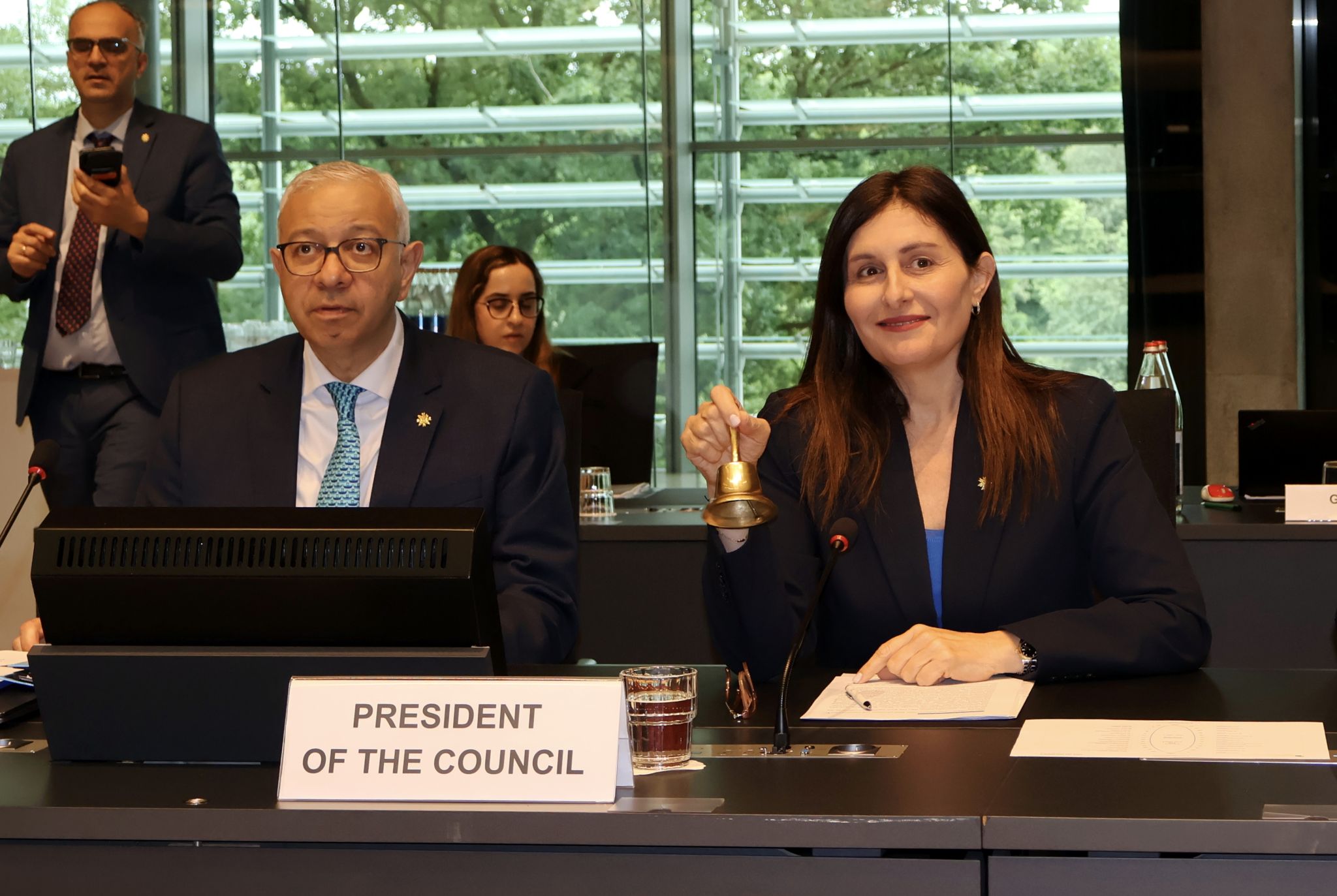
Subsequently, under the chairmanship of the Deputy Shipping Minister, member states adopted the Council conclusions on the European Maritime Industrial Strategy, following the relevant proposal presented by the European Commission earlier in the semester.
“This Strategy has been a key priority of the Cyprus Presidency and we are proud to have successfully promoted this important dossier, which ensures quality jobs, strengthens the resilience of supply chains, safeguards economic security and maintains Europe’s leadership in a sector that is vital for our future,” Hadjimanolis said.
The conclusions recognise the maritime sector, including shipping, shipbuilding, ports and related services, as a key element of Europe’s prosperity, security, connectivity and decarbonisation.
They also aim to strengthen Europe’s maritime and industrial base in the face of international competition, geopolitical pressures, the green transition and digital transformation.
At the same time, they seek to reduce strategic dependencies and strengthen supply chain resilience.
Hadjimanolis noted that “the conclusions support measures to improve access to finance and investment in innovation, clean technologies, shipbuilding, shipping and port infrastructure.”
They also refer to initiatives such as the creation of an EU Industrial Maritime Value Chain Alliance and the ‘Shipyards of the Future’ programme.
Ministers also confirmed broad support for continuing the decarbonisation of maritime transport after 2030, with particular emphasis on regulatory certainty and investment in sustainable maritime fuels.
In this context, Hadjimanolis referred to the upcoming revision of the FuelEU Maritime Regulation, as well as the need for alignment with international developments at the International Maritime Organisation.
She also recalled the Nicosia Declaration on strengthening the education and training of seafarers and promoting the equal participation of women in the maritime industry, which was adopted in Cyprus in April by all member states.
The declaration is recognised in the Council conclusions, reflecting the importance placed on maritime skills and the future workforce of the sector.
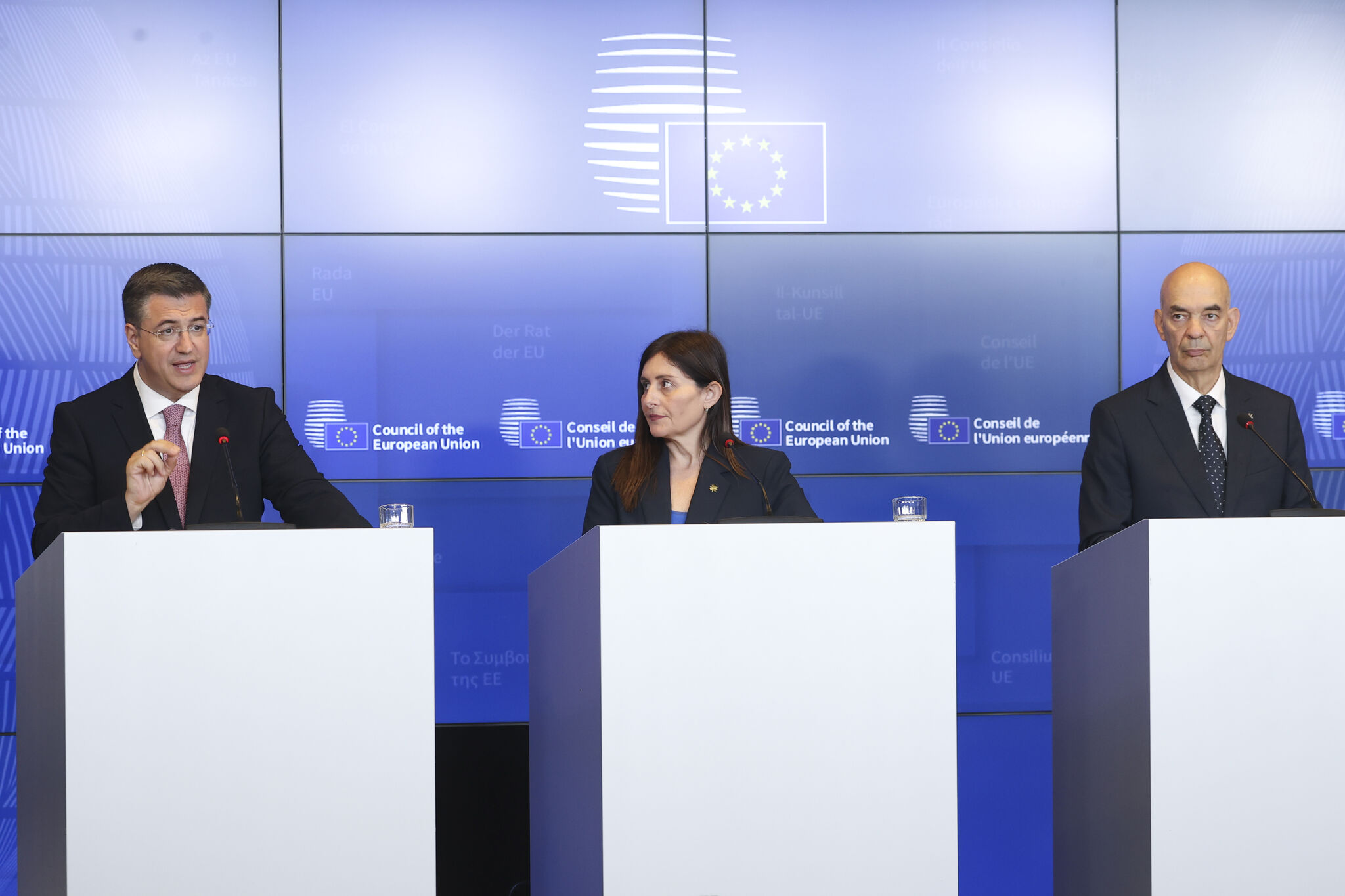
Following the Council, Tzitzikostas, Vafeades and Hadjimanolis held a joint press conference, during which they presented the main results of the meeting.
During the press conference, Hadjimanolis referred to the main achievements of the Cyprus Presidency in maritime transport, including the adoption and signing of the Nicosia Declaration by all EU member states.
The initiative, she noted, carries strong political weight and reinforces the Union’s commitment to a more resilient, sustainable and inclusive maritime sector.
She also referred to the approval of the Council conclusions on the maritime industrial strategy as another key achievement of the Presidency.
For his part, Tzitzikostas thanked Hadjimanolis for the work carried out by the Cyprus Presidency in maritime transport, as well as for its cooperation with the European Commission.
For the deputy minister, the Council’s decisions showed the willingness of member states, the Commission and the maritime industry to work together for a competitive, resilient, safe and sustainable European maritime sector.
Ports were also high on the agenda, with the Council adopting conclusions on the EU Ports Strategy.
Vafeades described this as a strong political message on the strategic importance of European ports for the economy, security and resilience of the Union.
Ports handle around 74 per cent of the EU’s external trade and serve almost 400 million passengers every year, making their role increasingly important at a time of geopolitical and economic uncertainty.
The conclusions recognise the diversity of European ports and call for a differentiated approach, taking into account the specific needs of sea and inland ports, as well as island and peripheral regions.
They also refer to the need to maintain a level playing field, strengthen the supervision of EU-supported investments in third countries and apply proportionate controls on foreign investments in European ports.
Progress on military mobility and the financing of dual-use infrastructure was also described as important in strengthening the role of European ports.
Beyond shipping and ports, the Council also turned to cleaner road transport, with ministers reviewing the progress report on the proposed regulation for clean corporate vehicles, part of the wider package for the automotive industry.
The proposal aims to accelerate the transition to zero- and low-emission vehicles in corporate fleets, which represent a significant share of new vehicle registrations in the European Union.
Greater use of cleaner vehicles is also expected to support the competitiveness of the European automotive industry, while linking the green transition with Europe’s broader effort to strengthen its industrial base.
According to Vafeades, “the progress report prepared under the Cyprus Presidency will guide the next steps on the regulation.”
Ministers also discussed how emissions from transport could be reduced after 2030 while safeguarding Europe’s competitiveness, affordability, resilience and security of supply.
Transport accounts for around a third of total greenhouse gas emissions in the EU and, unlike other sectors, emissions have continued to rise in recent decades.
Vafeades pointed to the need for clean technologies, the necessary infrastructure and wider use of renewable and alternative fuels across all modes of transport.
The exchange of views, he added, would provide political guidance to the European Commission as it prepares the legislative package for the 2040 targets.
The minister also referred to two Commission initiatives signed in the margins of the Council.
The first concerns automated driving corridors and proving grounds, with the participation of 17 member states, including Cyprus, aimed at accelerating the development of automated driving technologies.
The second concerns European transport corridors, backed by 10 member states, with the aim of speeding up the deployment of recharging infrastructure for zero-emission trucks along the Trans-European Transport Network.
Tzitzikostas, meanwhile, focused on the Passenger Package, describing it as an important step towards simplification, greater transparency and a smoother travel experience across Europe.
The Commission’s aim is to allow citizens to plan, compare and buy trips more easily, while benefiting from stronger passenger rights.
Passengers should also have a clearer picture of prices, travel conditions and, where possible, greenhouse gas emissions, without having to search across multiple platforms or systems.
The Commissioner also referred to progress in discussions on air passenger rights, as well as the importance of advancing the military mobility package, which concerns the coordinated movement of military personnel and equipment within the EU.
He further pointed to developments in the railway sector, including the European Rail Traffic Management System, rail freight transport and the competitiveness of the European railway industry, all of which are linked to the broader decarbonisation effort.
Tzitzikostas also mentioned the proposal to end the twice-yearly time change, noting that a relevant study is being prepared at the request of member states, with its results expected at the next Council meeting.




Click here to change your cookie preferences