
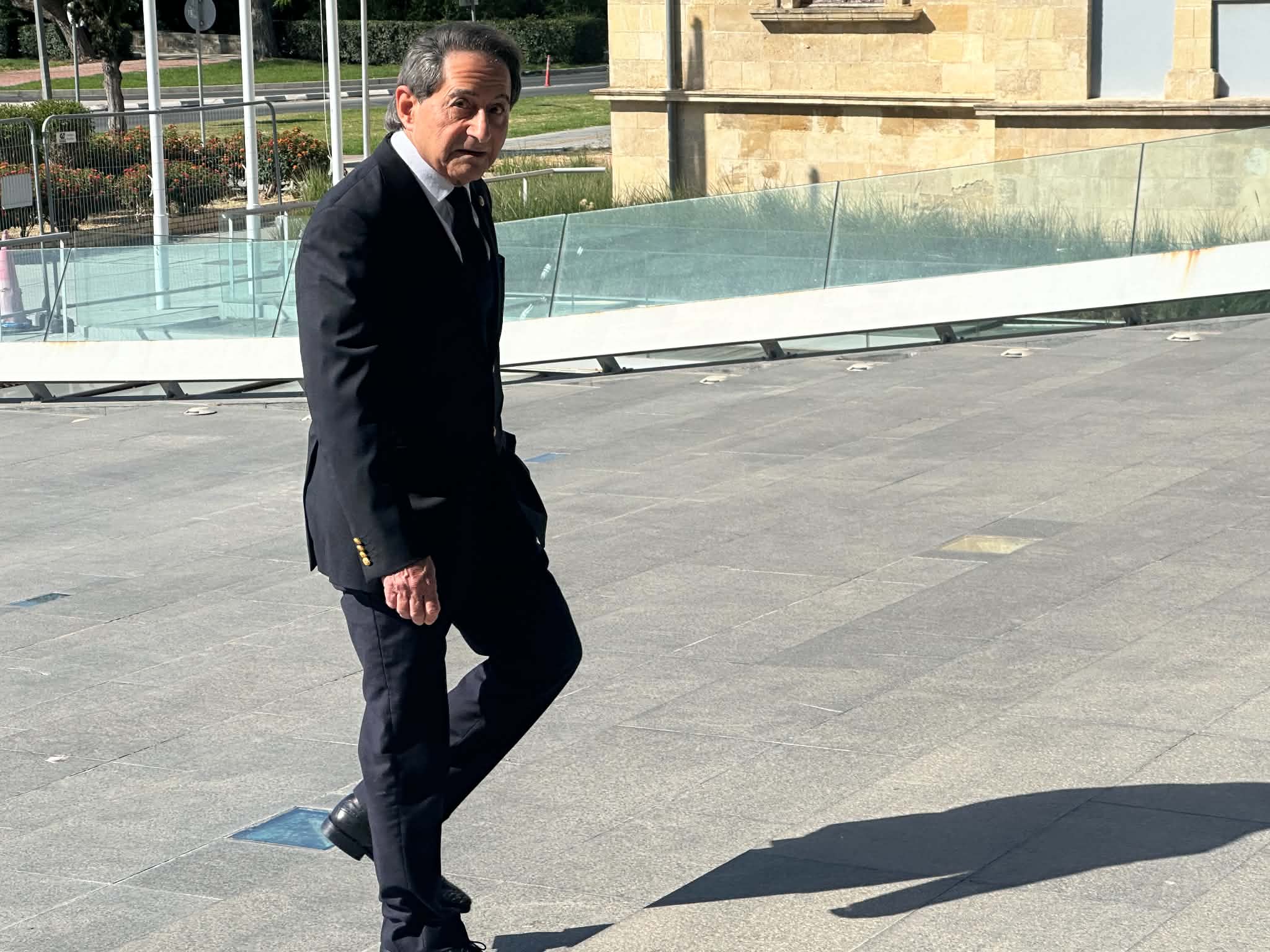
The Supreme Court on Tuesday annulled the search warrant executed against lawyer Nikos Clerides in connection with the ‘Sandy case’, ruling that the warrant covering his home, office and vehicles could not stand, thus paving the way for the return of all material seized during the operation.
The decision followed an application by Clerides, represented by lawyers Christos, Alexandros and Konstantinos Clerides, challenging the legality of the warrant issued during the police investigation into allegations publicised through journalist Makarios Drousiotis.
The Supreme Court had previously granted leave for the application to proceed after finding merit in six of the eight grounds raised by the applicant.
Among the issues identified were the absence of sufficient testimony supporting the warrant application and concerns surrounding legal professional privilege and the protection of confidential communications.
During proceedings, the attorney-general’s office did not oppose the application, effectively accepting deficiencies in the process followed by investigators and allowing the warrant’s annulment to proceed.
The ruling means all material seized under the warrant must be returned, while any evidence or testimony obtained as a result of the searches is considered inadmissible.
Speaking after the judgment, Alexandros Clerides described the decision as the start of a broader effort to restore the rights of his client and his legal practice.
“Today is the beginning of the process of restoring the rights of Mr Nikos Clerides and his office,” he said.
He argued that fundamental rights had been violated through the execution of the warrant and said further action would be pursued.
“The most essential rights of Mr Clerides as a human being and as a lawyer were violated,” he said.
“We will not stop the fight until the damage they caused is fully repaired.”
Alexandros Clerides also called for clearer safeguards governing searches involving lawyers and legally privileged material.
“Let this decision serve as a guide and guidance for future search warrants,” he said.
“We hope that the state will be much better on these issues from today onwards.”
The legal challenge centred on whether the warrant itself had been lawfully issued and executed.
During a hearing before the Supreme Court last week, Alexandros Clerides argued that the case concerned the legality of the authorisation granted to police rather than actions taken after the searches occurred.
The application arose from the ‘Sandy’ affair, which stemmed from allegations involving claims of corruption, abuse, blackmail and interference by prominent political, judicial and financial figures.
Police investigations subsequently concluded that no evidence supported the allegations and that witness testimony, forensic examinations and documentary material contradicted the claims.
Clerides has publicly disputed aspects of those findings and questioned the conduct of the investigation, arguing that independent criminal investigators should have been appointed.
All individuals named in the allegations have denied wrongdoing.




Click here to change your cookie preferences