
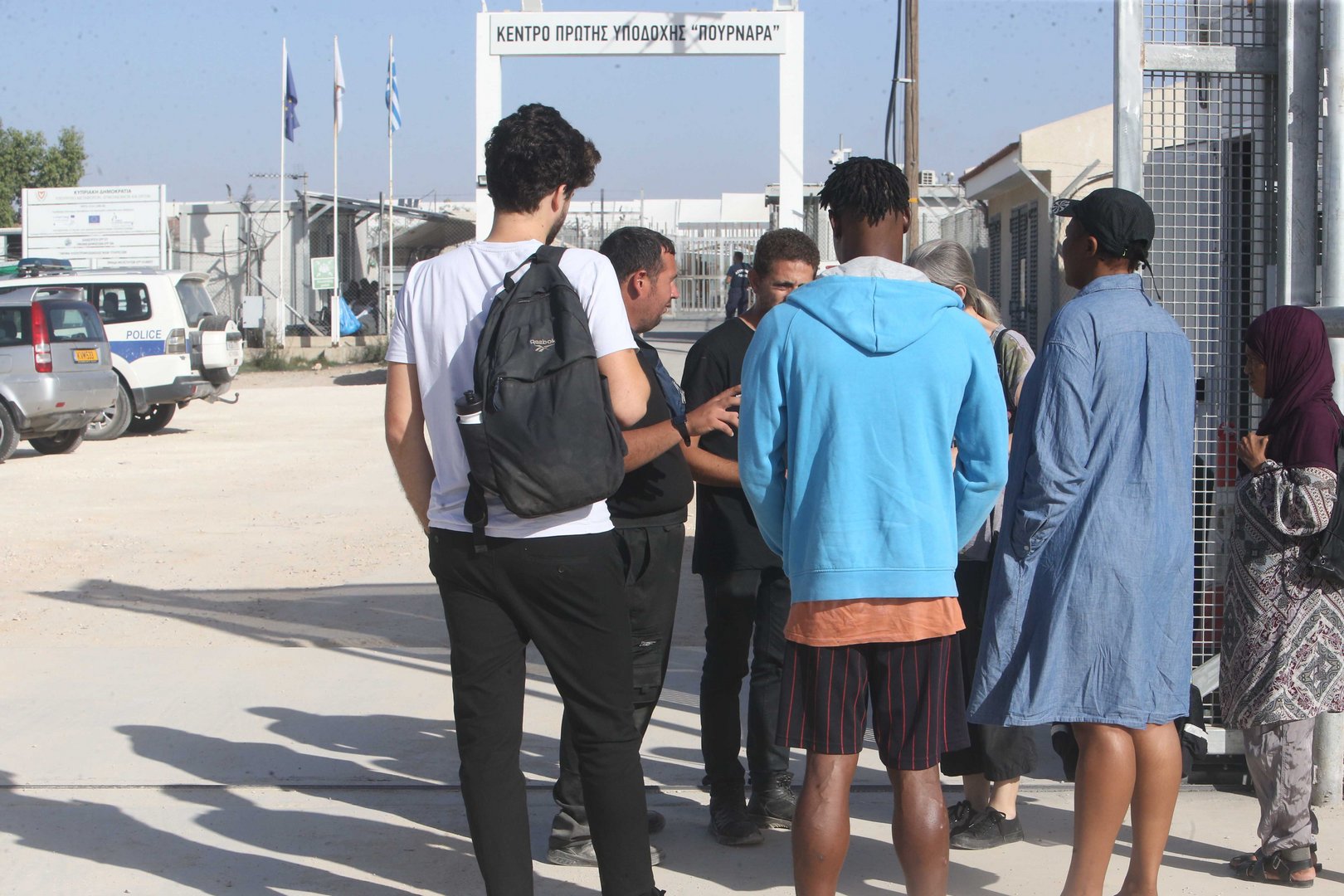
Cyprus and Lithuania on Friday signed a memorandum of cooperation on the relocation of applicants for international protection from Cyprus to Lithuania, marking one of the first concrete solidarity measures under the European Union’s new pact on migration and asylum.
The agreement was signed on the sidelines of the informal ministerial meeting on the migration pact taking place in Nicosia.
Deputy Migration Minister Nicholas Ioannides signed the memorandum on behalf of Cyprus, while Lithuania was represented by Indre Gaspere, director of the migration department under the Lithuanian interior ministry.
The agreement forms part of the solidarity mechanism established under the EU’s new migration and asylum framework and is intended to support the practical implementation of the principles of shared responsibility and European solidarity.
For Cyprus, which remains one of the EU’s frontline member states due to its geographical position, the deal is seen as a significant step in easing migration pressures and sharing responsibility more evenly across the bloc.
Authorities said the memorandum represents a tangible example of support for member states carrying a disproportionate burden in the management of migration and asylum applications.
The relocation arrangement is also expected to contribute to a further reduction in the number of asylum seekers currently residing in Cyprus.
Relocation of applicants for international protection is one of the key solidarity measures included in the new migration pact, aimed at ensuring a fairer distribution of responsibilities among EU member states and improving the management of migration pressures faced by countries at the Union’s external borders.
Cyprus welcomed Lithuania’s participation in the initiative, expressing appreciation for what it described as a practical demonstration of European solidarity and a meaningful contribution to the bloc’s collective response to migration challenges.
Officials said the agreement highlights how European cooperation can deliver concrete and effective solutions to shared challenges, strengthening both the resilience of frontline member states and the overall cohesion of the European Union.



Click here to change your cookie preferences