
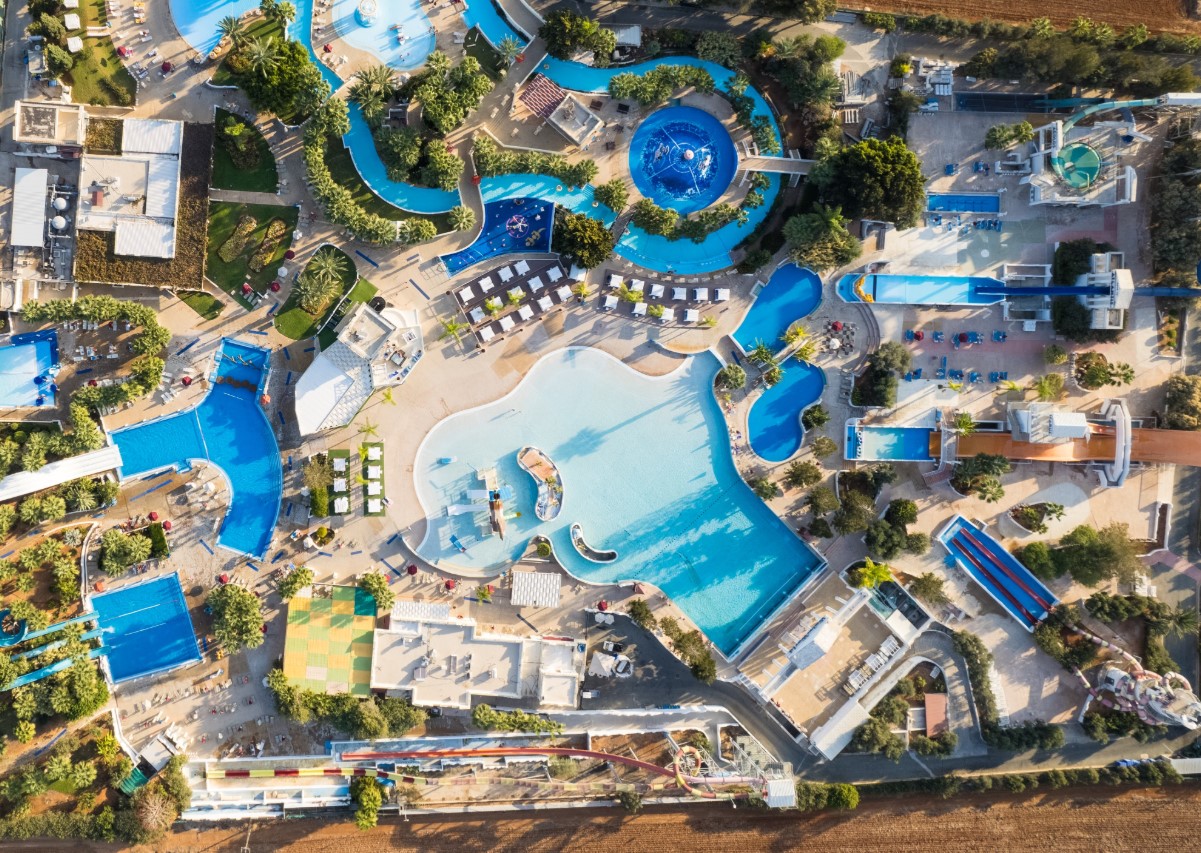
Tourism and business officials examine role of theme parks in Cyprus
Cyprus’ efforts to expand its theme park sector could help transform the island into a more diversified, year-round tourism destination, as global demand for immersive visitor attractions continues to grow and destinations increasingly compete on experiences rather than traditional sun-and-sea holidays.
The prospect gained renewed attention last week when the Deputy Ministry of Tourism, the Cyprus Employers and Industrialists Federation (Oev) and the Cyprus Association of Amusement and Activity Parks met to discuss the operation of existing theme parks, the activities they offer and ways to improve the visitor experience.
According to the Deputy Ministry of Tourism, the government recognises that theme parks rank among the world’s leading forms of entertainment and contribute significantly to the competitiveness of tourism destinations, adding that it is investing in policy aimed at supporting the creation of theme parks in Cyprus.
The meeting was attended by Deputy Minister of Tourism Kostas Koumis, Oev professional associations coordinator Kyriacos Angelides and Cyprus Association of Amusement and Activity Parks president Iosif Petrou, together with association member Nemad Manic and officials from the deputy ministry.
The association operates under the umbrella of Oev and the Cyprus Chamber of Commerce and Industry (Keve), representing water parks and theme parks across the island with the aim of protecting and upgrading industry standards and services.
It currently counts 13 members throughout Cyprus, according to a statement from the Deputy Ministry of Tourism issued after the meeting took place.
Although Cyprus already has water parks, adventure attractions and activity centres, industry observers believe the island has scope to develop larger destination-style theme parks capable of attracting overseas visitors in their own right.
Such attractions could complement Cyprus’ traditional tourism offering, broadening its appeal beyond beaches and summer holidays while encouraging visitors to travel during the quieter autumn and winter months.
Unlike conventional amusement parks, theme parks revolve around a central concept or story, combining rides, entertainment, themed accommodation, restaurants and retail into an immersive experience that encourages longer visits and higher visitor spending.
This model has become increasingly important as destinations compete for tourists seeking experiences rather than simply accommodation and sunshine.
Cyprus could be particularly well positioned to benefit from this trend because of its mild winters, relatively dry climate and high number of sunny days, allowing outdoor attractions to operate comfortably for much of the year when many northern European destinations face weather-related limitations.
A stronger theme park sector could also help reduce the seasonality that continues to challenge Cyprus’ tourism industry by attracting families during school holidays outside the peak summer period, as well as younger visitors and repeat travellers looking for new experiences.
The global market suggests there is growing demand for such attractions.
According to Fortune Business Insights, the global theme park market was valued at $60.75 billion in 2025 and is projected to reach $150.61 billion by 2034, representing compound annual growth of 10.81 per cent.
The research attributes this expansion to rising disposable incomes, growing international tourism and increasing consumer spending on leisure experiences, particularly in emerging markets.
The report also highlights the growing popularity of film and television-themed attractions, with operators increasingly partnering with major entertainment companies to create immersive experiences built around globally recognised brands.
Examples include Merlin Entertainments’ partnership with Sony Pictures to develop a Jumanji-themed attraction and Thailand’s Aquaverse, which features attractions inspired by franchises including Ghostbusters, Hotel Transylvania and Jumanji.
For Cyprus, however, success would not necessarily depend on importing Hollywood brands.
The island could instead build attractions around its own cultural identity, mythology, archaeology, marine environment or regional heritage, creating distinctive experiences that cannot easily be replicated elsewhere in the Mediterranean.
Indeed, the economic benefits could also extend well beyond admission tickets.
According to the International Association of Amusement Parks and Attractions (IAAPA), Europe’s attractions sector generates more than €10.65bn in direct revenue, rising to €32.6bn once wider economic effects across hospitality, transport, suppliers and other supporting industries are included.
The sector supports more than 128,000 direct jobs across Europe and over 242,000 jobs when indirect employment is taken into account, while contributing an estimated €3.4bn in tax revenue.
Industry studies also show that destination theme parks generate spending well beyond their gates.
Although amusement parks represent only a minority of Europe’s visitor attractions, they account for a disproportionately large share of tourism expenditure because visitors frequently combine them with hotel stays, restaurant visits, local transport and multi-day holidays.
That characteristic could prove especially valuable for Cyprus, where increasing average visitor expenditure remains a strategic objective alongside maintaining strong arrival numbers.
Business consultancy Grand View Research also expects continued expansion in the sector, pointing to integrated resorts, technological innovation and stronger links between tourism infrastructure and large-scale attractions as key drivers of future growth.
The consultancy said operators are increasingly adopting technologies such as artificial intelligence, augmented reality, virtual reality, mobile applications and data analytics to create more personalised experiences while encouraging repeat visits.
Whether Cyprus ultimately develops destination-scale theme parks remains uncertain, particularly given the investment required and the island’s relatively small domestic market.
Nevertheless, last week’s meeting suggests the sector is beginning to receive greater policy attention.
If supported by appropriate planning, infrastructure and private investment, theme parks could become another tool in Cyprus’ long-term effort to diversify its tourism product, lengthen the visitor season and strengthen the resilience of one of the country’s most important industries.




Click here to change your cookie preferences