
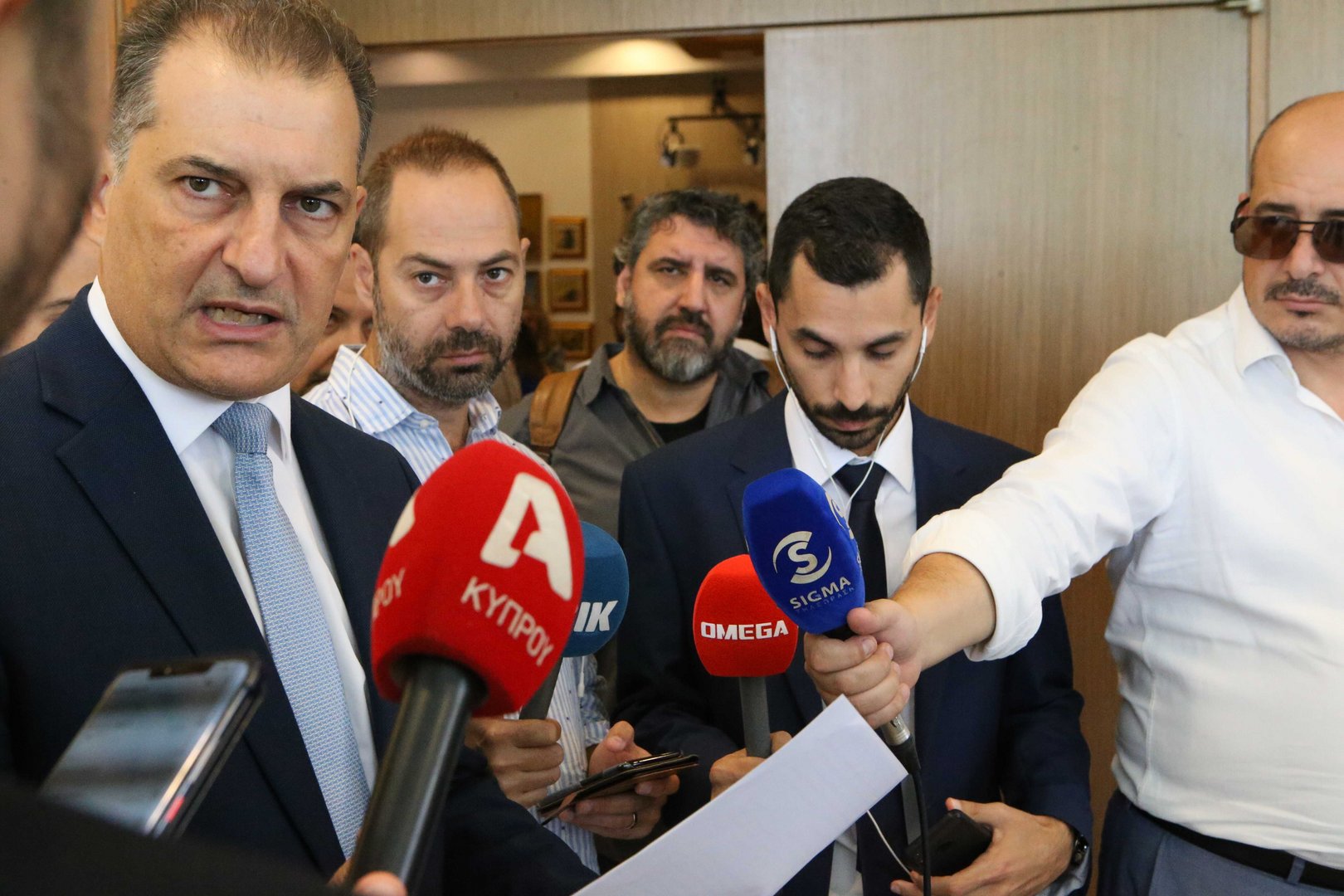
The criminal investigation into the Videogate affair will continue until July 20 after attorney-general George Savvides approved a request from independent criminal investigator Andreas Paschalides for additional time to complete the inquiry.
The extension was confirmed on Monday by Paschalides, who said the request became necessary to allow investigators to complete the collection and assessment of evidence that had only recently come into their possession.
He said the additional time will be used to finalise the gathering of material considered essential to the case and to evaluate evidence received during the latest stages of the investigation.
The development delays the anticipated submission of Paschalides’ findings to Savvides, which had previously been expected tomorrow.
The investigation was launched following the publication in January of a video circulated online by an account operating under the name Emily Thomson.
The footage triggered allegations involving political figures, business interests and questions surrounding influence, campaign financing and major investment decisions.
Legal observers have repeatedly cautioned against assuming that any findings by the criminal investigator would automatically result in criminal prosecutions.
Lawyer Simos Angelides recently stressed that any determination by investigators regarding possible offences would be subject to an independent assessment by the legal service.
“It is not a given or automatic that if a finding is made by the criminal investigator that there is indeed evidence of some criminal offences, that a case will proceed,” Angelides said.
He argued that prosecutors would ultimately decide whether the available evidence supports further legal action.
The inquiry has focused not only on the content of the recordings but also on the circumstances surrounding their creation, publication and distribution.
Authorities have secured the complete archive linked to the case, comprising around 30 hours of recordings, for forensic examination.
The published material appeared to contain conversations involving former presidential chief of staff Charalambos Charalambous, former energy minister Giorgos Lakkotrypis and Cyfield chief executive Giorgos Chrysochos.
The fallout from the affair led to Charalambous’ resignation, while First Lady Philippa Karsera stepped down from her position as chair of the Social Support Agency, which was subsequently dissolved.
President Nikos Christodoulides rejected the allegations from the outset, describing the video as “a product of fabrication, distortion and a hybrid attack”.
Individuals appearing in the recordings similarly maintained that the material had been selectively edited and presented without context.
Paschalides has consistently declined to comment on the substance of the investigation while it remains active, saying only that “the legal issues that are raised are very delicate”.


Click here to change your cookie preferences