
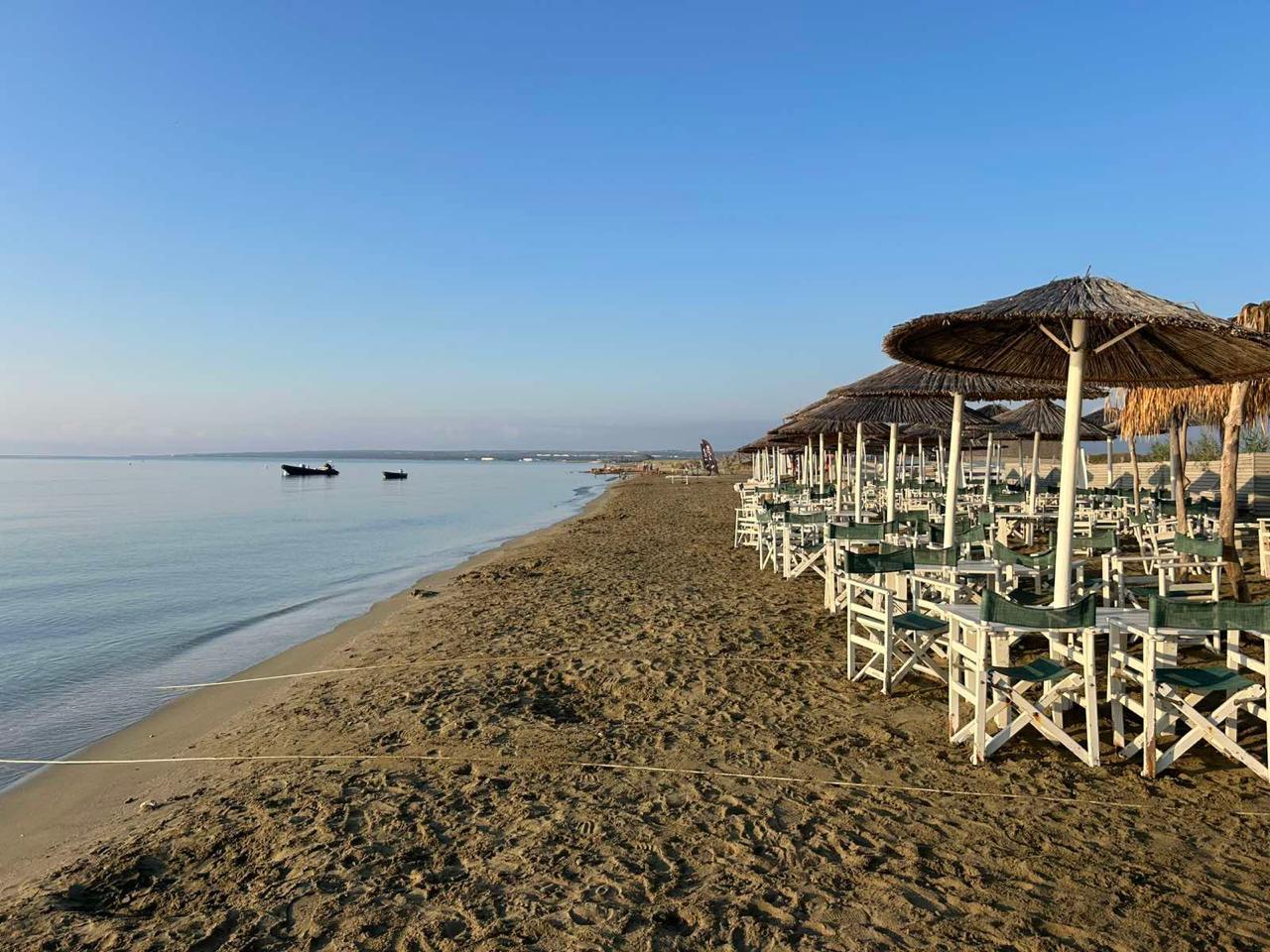
The British bases defended their environmental management of Lady’s Mile beach in Limassol on Tuesday after criticism from Terra Cypria, insisting it strictly enforces legislation and treats the protection of sea turtle nesting sites as a priority.
Responding to concerns raised by the environmental organisation, the bases said they recognise the pressures placed on the coastal area, which is subject to high levels of public use and is ecologically sensitive, but maintained that its regulatory framework is actively applied and monitored.
Terra Cypria renewed criticism earlier on Tuesday, saying Lady’s Mile is experiencing increasing environmental pressure due to what it described as insufficient management and weak enforcement of existing protections.
The organisation said the beach is one of the most important nesting sites for loggerhead and green turtles in Cyprus and warned that current conditions are affecting both nesting activity and hatchling survival.
Terra Cypria said a range of human activities impact the site, including light and noise pollution from nearby leisure facilities, beach equipment remaining in place overnight, unlicensed recreational activity, and waste accumulation in sensitive coastal zones.
It argued that these pressures are not isolated incidents but reflect a wider pattern of inadequate monitoring.
The organisation said the situation has been known to authorities for years and that current conditions indicate “institutional indifference, tolerance and abandonment” in environmental management of the beach.
Terra Cypria further warned that the continued presence of such activities risks undermining the ecological function of the area, particularly during critical nesting periods when sea turtles are highly sensitive to disturbance.
The organisation said that while Lady’s Mile is formally protected under legislation, enforcement on the ground does not reflect the legal framework in place.
It called for more consistent implementation of rules, stronger monitoring and increased oversight of human activity along the shoreline.
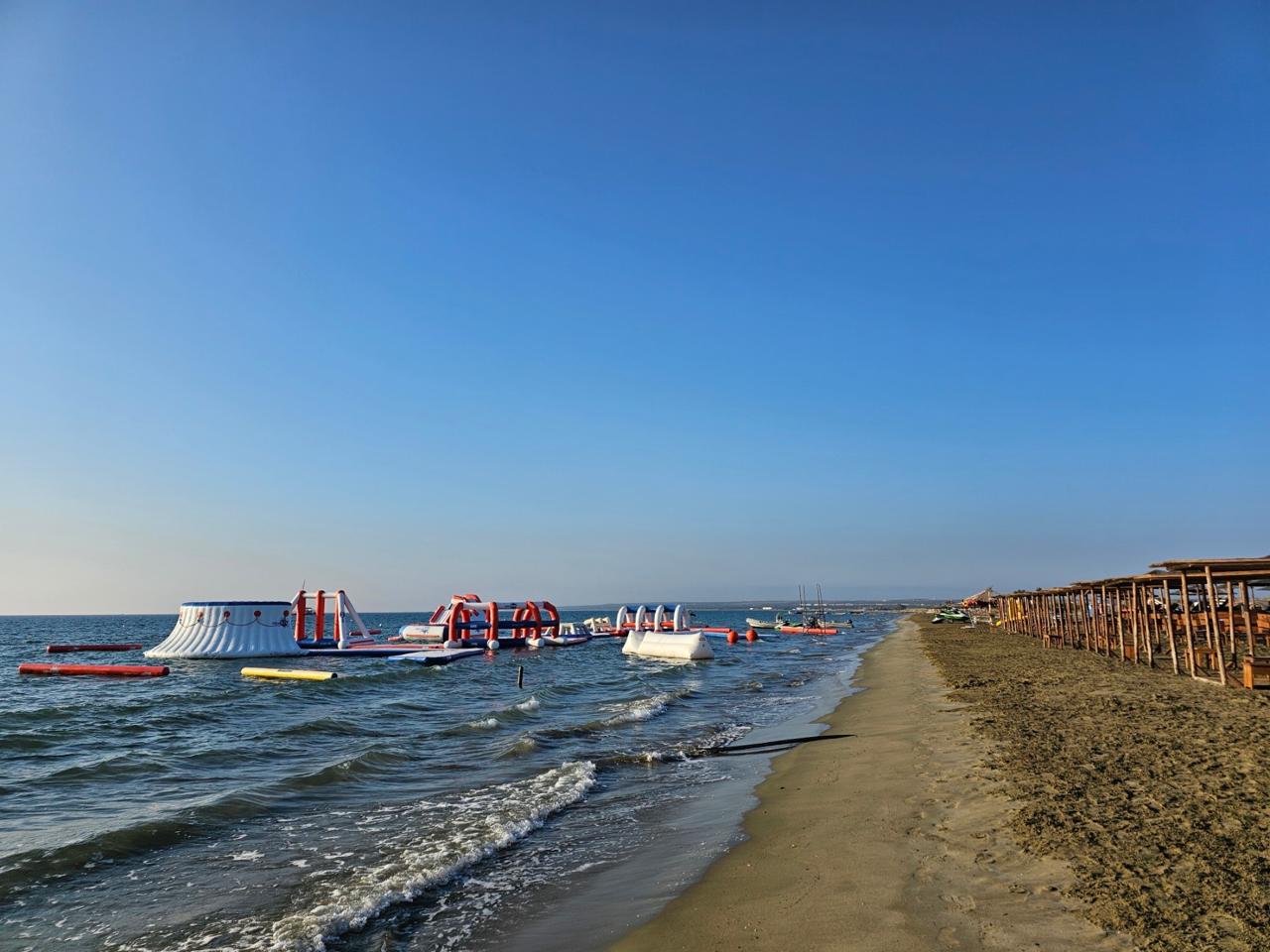
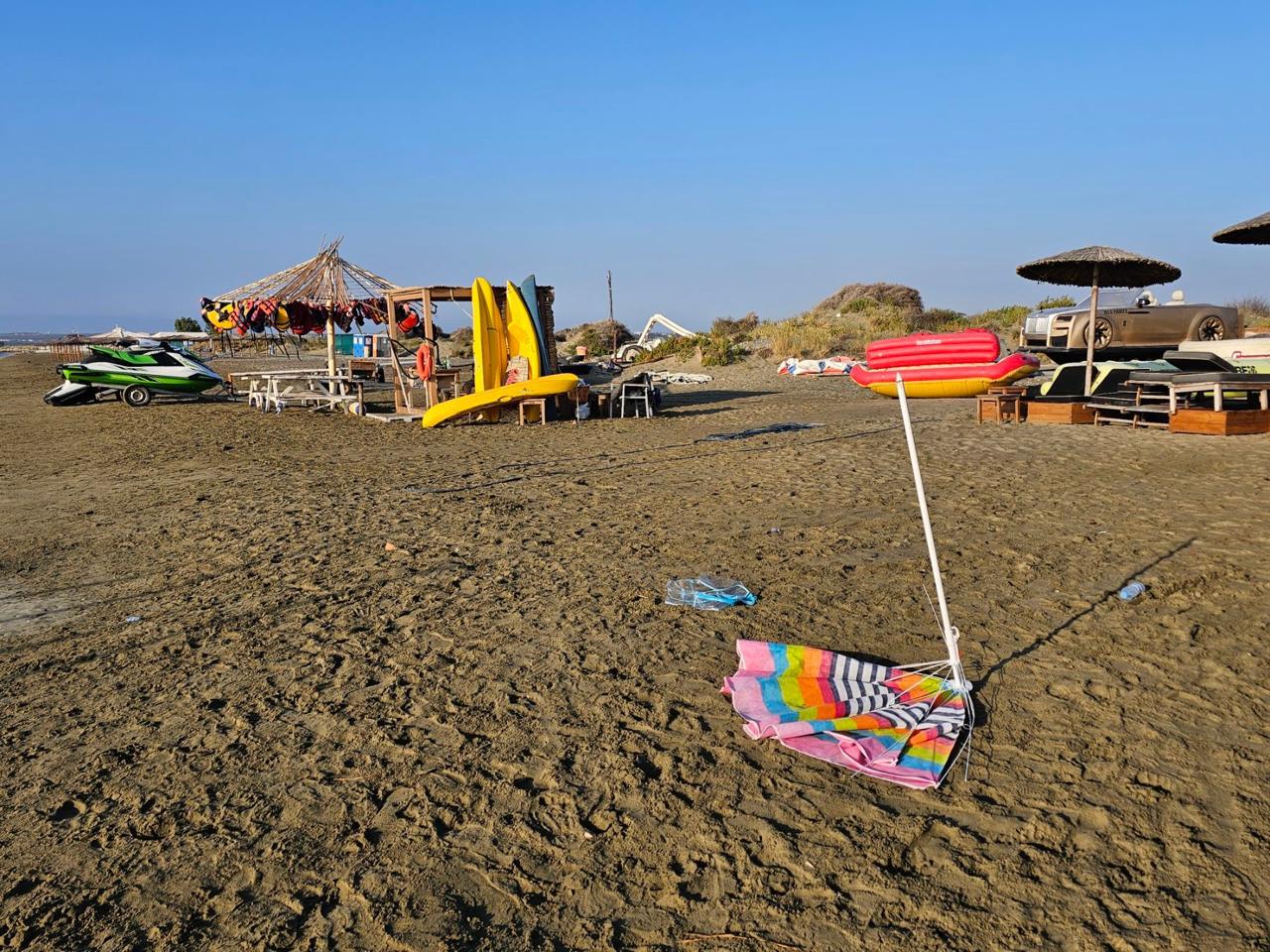
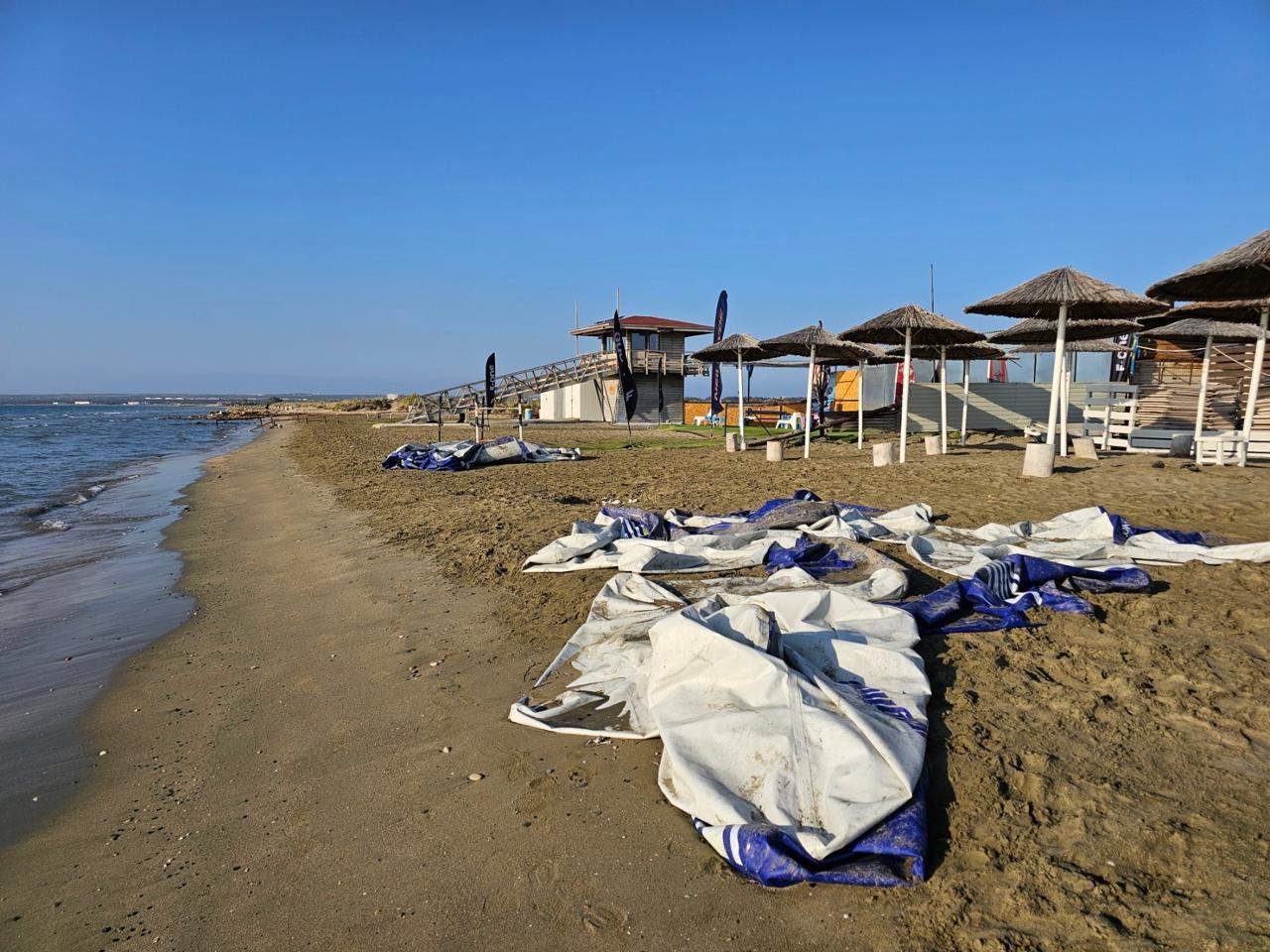
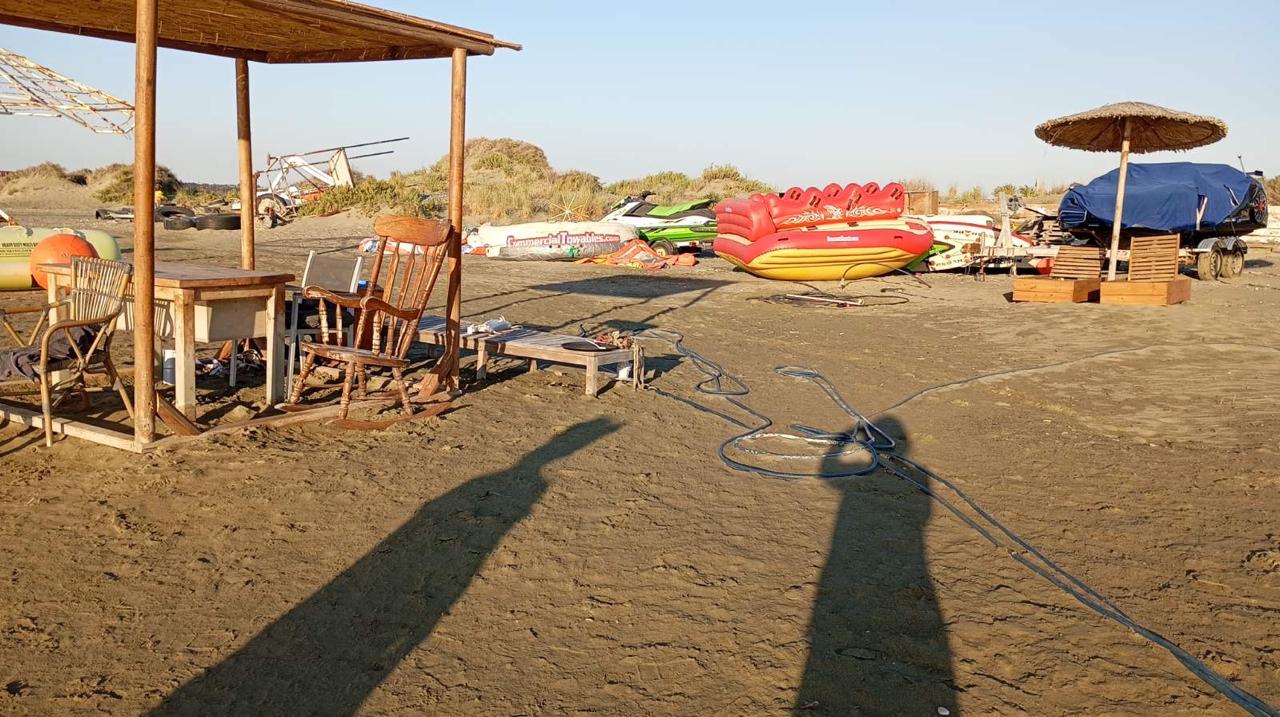
“Sea turtles have no voice, but the authorities have a responsibility,” it said, urging full enforcement of existing conservation measures.
The bases said the protection of the natural environment and public safety are central to their approach, adding that the protection of the natural environment is their highest priority and enforcement action is taken where required under existing law.
The administration said that during last year’s nesting season nearly 300 sea turtle nests were recorded across beaches under its jurisdiction, including Lady’s Mile.
Conservation work continues through cleaning operations and habitat maintenance intended to support breeding conditions for protected species.
Sea turtles, particularly loggerhead turtles (Caretta caretta) and green turtles (Chelonia mydas), regularly nest on Cyprus beaches, including those within the British bases.
Both species are protected under local, European and international legal frameworks due to population pressures and habitat loss across the Mediterranean.
The administration said its protection strategy includes daily patrols during nesting periods, the installation of protective aluminium cages around nests to prevent disturbance or predation, and the regulation of beach activities in sensitive zones.
It also confirmed that enforcement provisions include penalties of up to €17,000 and prison sentences of up to three years for offences involving disturbance or damage to nests or turtles.
“Legislation for the protection of nature and wildlife is strictly enforced,” it said.
The statement also referred to recent engagement with conservation bodies, adding that commitment to enforcement was reiterated during a meeting between their political administrator Fleur Thomas and Terra Cypria on May 14.





Click here to change your cookie preferences