
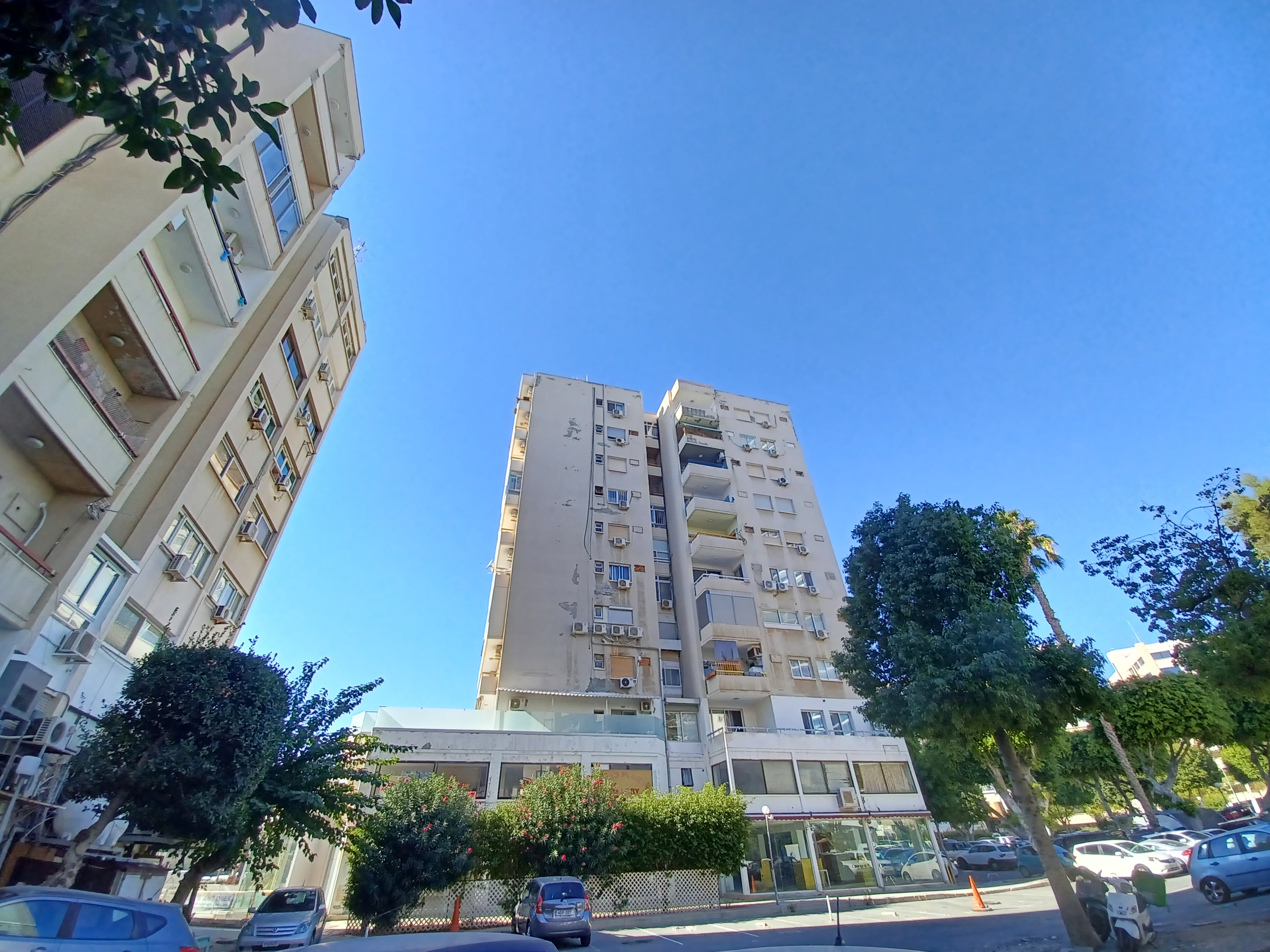
Apartment prices in Cyprus rose by 10.8 per cent in the first quarter of 2026 compared with the same period last year, figures released on Tuesday by the Central Bank of Cyprus (CBC) showed.
The bank said strong demand, particularly from foreign buyers, continued to push up property values despite signs of a slight slowdown in overall house price growth.
The general house price index, which covers both houses and apartments, increased by 7.5 per cent year-on-year during the first quarter.
House prices rose by 3 per cent, while apartment prices recorded much stronger growth.
The CBC’s reference year compared with 2010 apartment prices across Cyprus are now 27 per cent higher.
In Limassol, apartment prices rose by 53 per cent over the same period.
Quarterly, the overall index increased by 2.3 per cent in the first quarter of 2026, slightly below the previous quarter’s 2.4 per cent rise.
House prices grew by 1.5 per cent, while apartment price growth slowed to 2.4 per cent.
Regional data showed annual price growth accelerating in Nicosia, with the overall index rising by 2.8 per cent, and in Larnaca, where it increased by 8.9 per cent.
Growth slowed in Limassol and Paphos, while Famagusta recorded no change from the previous quarter.
Demand remained strong across the property market. The increase was driven mainly by foreign buyers.
Data from the department of lands and surveys showed sales documents increased by 13.8 per cent year-on-year in the first quarter, reaching 4,709 transactions compared with 4,137 a year earlier.
Property sales to overseas purchasers rose by 22.3 per cent, while sales to domestic buyers increased by 8.1 per cent.
Limassol recorded the highest number of transactions with 1,499 sales, followed by Nicosia, Larnaca and Paphos.
Famagusta recorded the fewest transactions.
The CBC also pointed to growing mortgage activity.
Net new housing loans increased by 24.5 per cent year-on-year to €353.6 million in the first quarter.
The average interest rate on housing loans fell to 3.15 per cent in March from 3.53 per cent a year earlier, reflecting the European Central Bank’s easing monetary policy.
At the same time, housing supply showed signs of improvement.
Building permits for residential units surged by 79.2 per cent in the first two months of 2026, suggesting new housing stock will continue to enter the market in the coming years.
However, the CBC said labour shortages and persistently high construction costs continue to place upward pressure on prices.





Click here to change your cookie preferences