
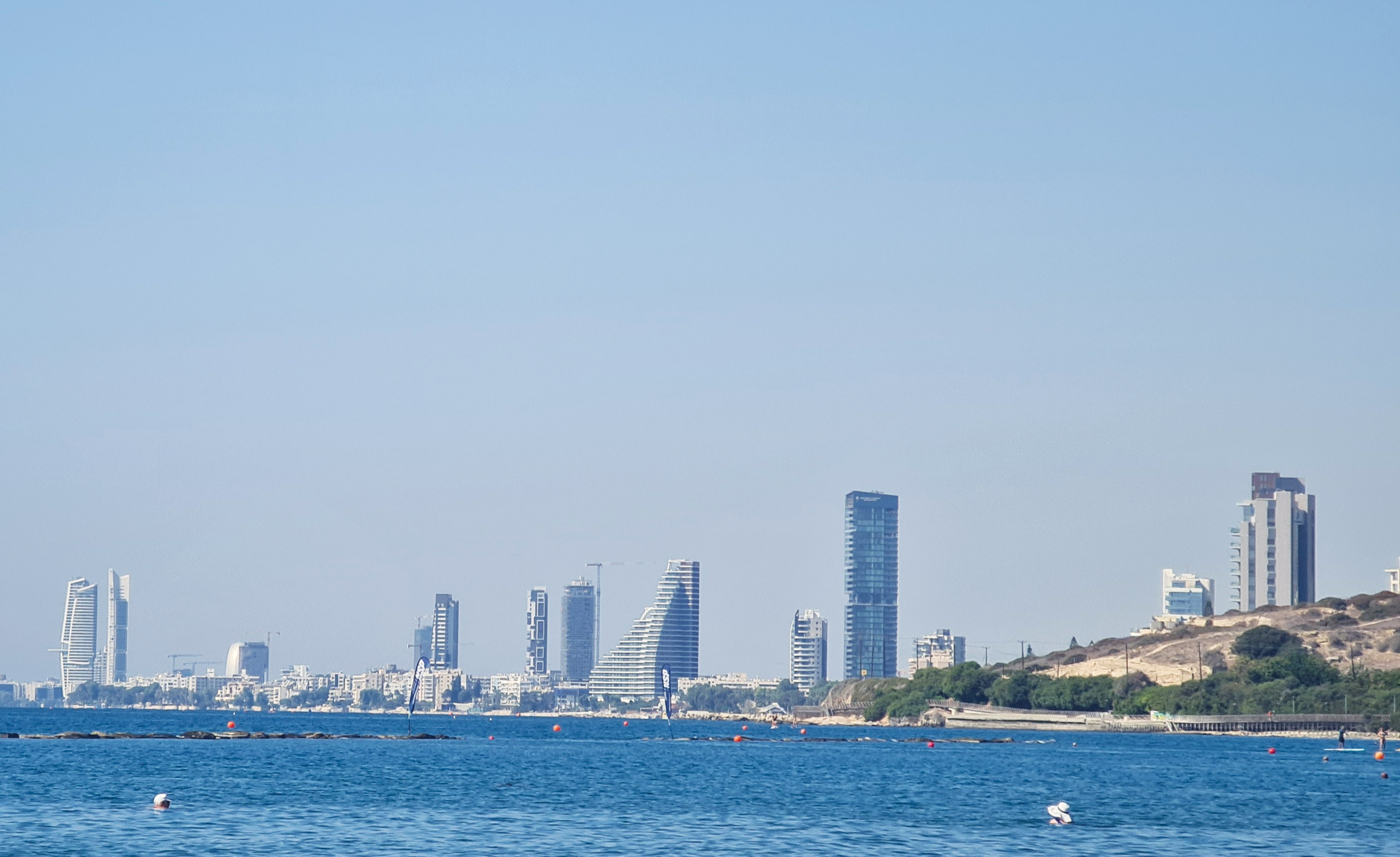
Once known for its port, carnival and wine festival, Limassol has become the island’s most visible urban experiment
Limassol has never been a city that stands still. Ships entering the port, families walking the seafront, traders opening their shops, children growing up around the old neighbourhoods, people leaving and returning, sometimes with money, sometimes with memories, have always shaped its rhythm.
Even for a city used to movement, the past two decades have been striking.
Limassol, once known for its port, carnival and wine festival, has become Cyprus’ most visible urban experiment, with towers, marinas, offices, tech companies and expensive apartments changing both its skyline and its mood.
The transformation has brought confidence, jobs and international attention. It has also made the city harder to live in.
Rents have climbed, traffic has worsened, construction has become part of the daily noise, and many residents now wonder whether the place they grew up in is being reshaped faster than they can recognise.
The change, however, did not begin with the towers. It began with the streets, pavements, squares and old buildings being brought back to life.
According to the European Commission’s Regional Policy department, the regeneration of Limassol’s town centre, under the 2007-2013 programming period, had a total budget of €18.4 million, of which €15.64 million came from the European Regional Development Fund.
The works, which began in 2010, helped restore public spaces, streets and infrastructure in the centre. Cafes, restaurants, bars and small businesses gradually moved into places that had once been quieter, tired or overlooked.
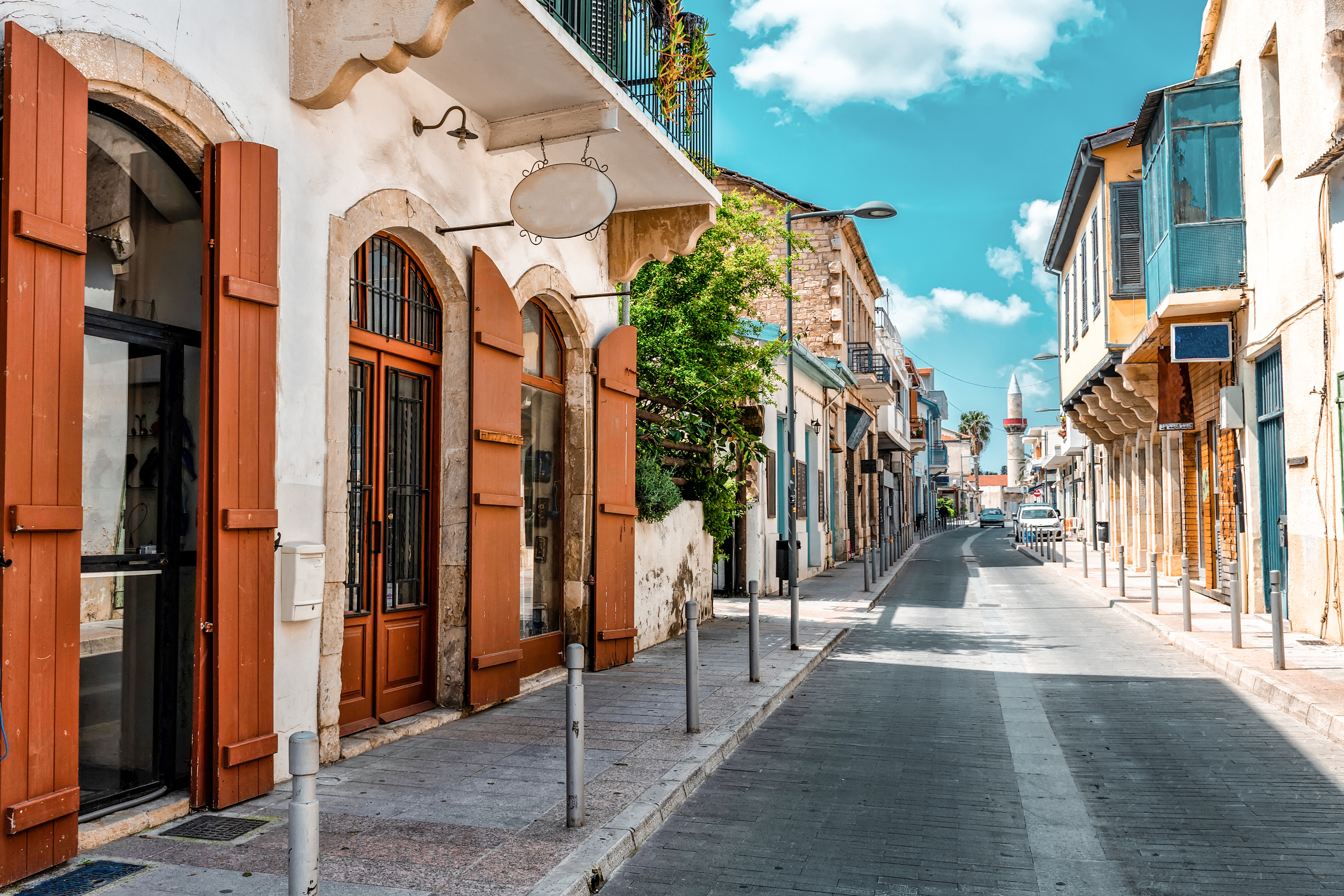
The old town became part of the city’s daily life again.
More recently, the same thinking has moved beyond the old centre. Limassol municipality’s Green Corridors vision, published in March 2026, points to 10,000 new trees, 25 new parks, safer streets for pedestrians, 30 kilometres per hour city zones, micro-mobility strategies and measures to cool the city.
The city is also part of wider sustainable mobility plans with Larnaca, backed by a total budget of €26.5 million. These include bus lanes, cycleways and park-and-ride stations, along with a further €5 million for accessibility measures aimed at pedestrians, cyclists and people with disabilities.
The result is a quieter but more important part of Limassol’s story, an effort to make the city work better for the people using it every day.
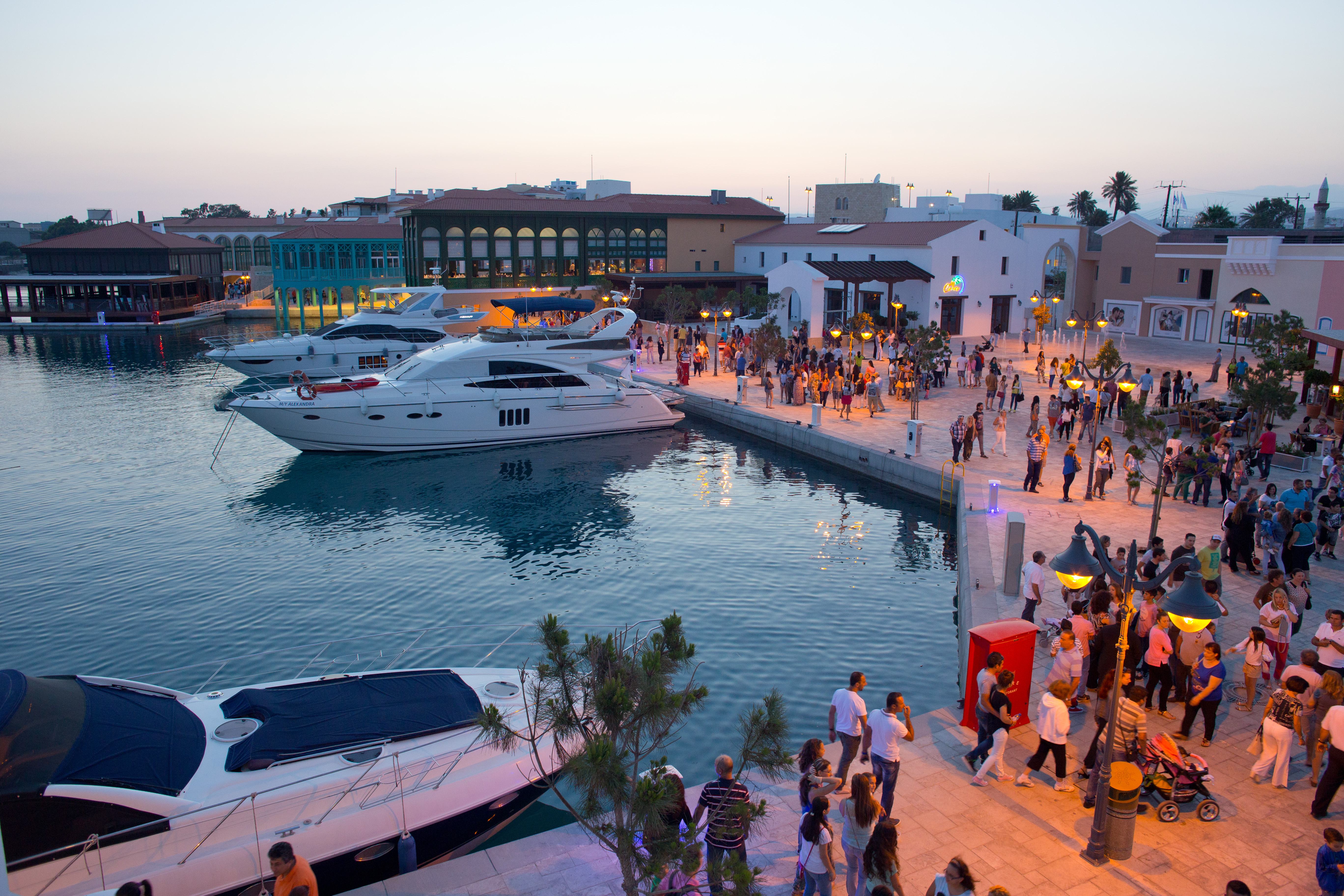
The old port redevelopment, which opened to the public in 2016, pushed that change further. A once underused waterfront space became a place for leisure, culture and dining, while the seafront grew into one of the city’s strongest public assets, drawing residents, visitors and investors to the same stretch of coastline.
Then came the marina, giving Limassol a new image abroad and a new confidence at home. According to Limassol Marina’s official website, the development is a full-service marina with 650 berths for yachts of up to 110 metres, more than 500 annual berth holders and over 9,000 yacht arrivals welcomed and handled.
The marina linked the old port and castle area with a modern waterfront development built around leisure, property, dining and yachting. It pulled more people towards the western side of the centre and placed Limassol more firmly on the map as a Mediterranean lifestyle and investment destination.
The city, though, is not only a lifestyle postcard. Its port remains central to its identity and economy. The Cyprus ports authority describes ‘Lemesos Port’ as the main port of Cyprus, while DP World Limassol presents the city as the island’s main cruise gateway, operating a 7,000 square metre passenger terminal able to handle 3,000 passengers per call.
DP World Limassol said in 2025 that it expected around 140 cruise ships and 160,000 passengers that year, compared with 106 cruises and 109,000 passengers in 2024. Goods, ships, tourists, companies and ideas have always passed through Limassol. What has changed is how visible that movement has become.
High-rise buildings have altered the city’s relationship with the sea, giving it a more international look while dividing opinion. To some, they represent ambition and a city no longer thinking small. To others, they suggest a Limassol that has become too expensive, too vertical and too distant from the people who made it what it was.
The property market explains much of the unease. According to department of lands and surveys data, 2,537 property sales documents were filed in Limassol between January and May 2026, up 11.2 per cent from 2,281 a year earlier. Across Cyprus, sales documents rose 11.9 per cent to 8,043, compared with 7,185 in the same period of 2025.
Limassol therefore accounted for about 31.5 per cent of all property sales documents filed in Cyprus during the first five months of the year. The figures show a city that continues to attract buyers, investors, professionals, companies and people relocating to Cyprus. They also explain why so many residents feel squeezed.
Central Bank of Cyprus (CBC) data showed that apartment prices in Limassol rose by 9.3 per cent year-on-year in the fourth quarter of 2025. In a city where rents and daily costs were already high, the increase has been felt sharply.
For younger people, in particular, Limassol can feel increasingly out of reach. It offers jobs, sea views, nightlife and international energy, but asks for a great deal in return. The question is no longer only whether people want to live there, but whether the people who work there can afford to stay.
Technology and professional services have added another layer. Cyprus’ wider effort to attract foreign companies and skilled professionals has strengthened Limassol’s position as a base for fintech, gaming, shipping, legal, accounting and digital businesses.
This has brought a more international workforce, more demand for offices and housing, and a more cosmopolitan feel to restaurants, schools, gyms and co-working spaces. Limassol now feels more outward-looking than any other city in Cyprus, facing the Mediterranean but doing business far beyond it.
But it has also made one divide harder to ignore, the gap between the Limassol promoted to investors and the Limassol lived every day by residents.
The old city is still there, in the neighbourhoods, taverns, schools, carnival, wine festival, seafront walks and familiar streets.
Around it, another Limassol is taking shape, one of relocation packages, luxury towers, private schools, international salaries and rising prices.
Limassol no longer needs to prove that it can attract development. The harder task is making that development work for daily life.
Traffic has become one of the clearest tests. Roadworks, parking problems and the lack of easy alternatives to the car have turned movement into a daily frustration for residents, workers, businesses and visitors. The question is not whether Limassol can build. It is whether it can function.
Culture offers another way of looking at the city’s future. Limassol’s bid for European Capital of Culture 2030 may not have secured the title, but Lemesos 2030 placed residents, creativity and participation at the centre of the discussion.
The bid captured something the city still needs to answer: what is worth keeping as Limassol keeps growing?
The same question runs through its climate ambitions. As one of the cities taking part in the EU Mission for 100 Climate-Neutral and Smart Cities by 2030, Limassol is now trying to frame growth around sustainability, mobility, coastal resilience and public space, not only property and investment.
Limassol’s strongest asset has never been only its location or its property market. It has always been its energy, the sea, the noise, the nightlife, the port, the old neighbourhoods and the appetite for life.
For all the debate, the city now stands between two versions of itself. One is the ambitious Mediterranean business centre that wants to compete internationally, attract capital and keep growing. The other is the Limassol of residents who want shade, affordable homes, working roads, public spaces and neighbourhoods that still feel human.
Both versions are real. Investment has brought opportunities, but the pressure it has created is just as real.
That is the test now. Limassol has already proved it can build, sell and attract. The harder question is whether it can keep growing without making ordinary life feel like the price of success.




Click here to change your cookie preferences