
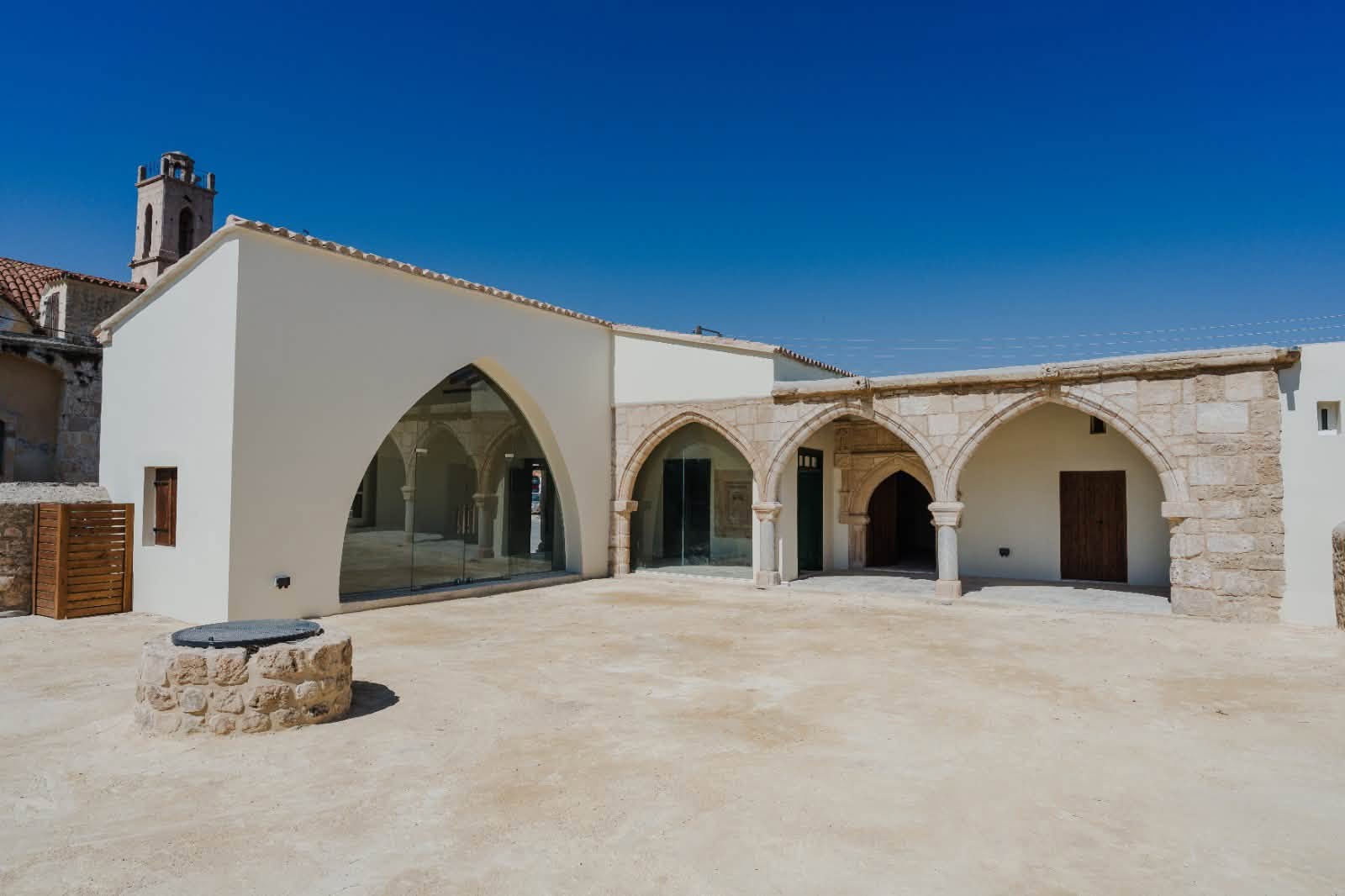
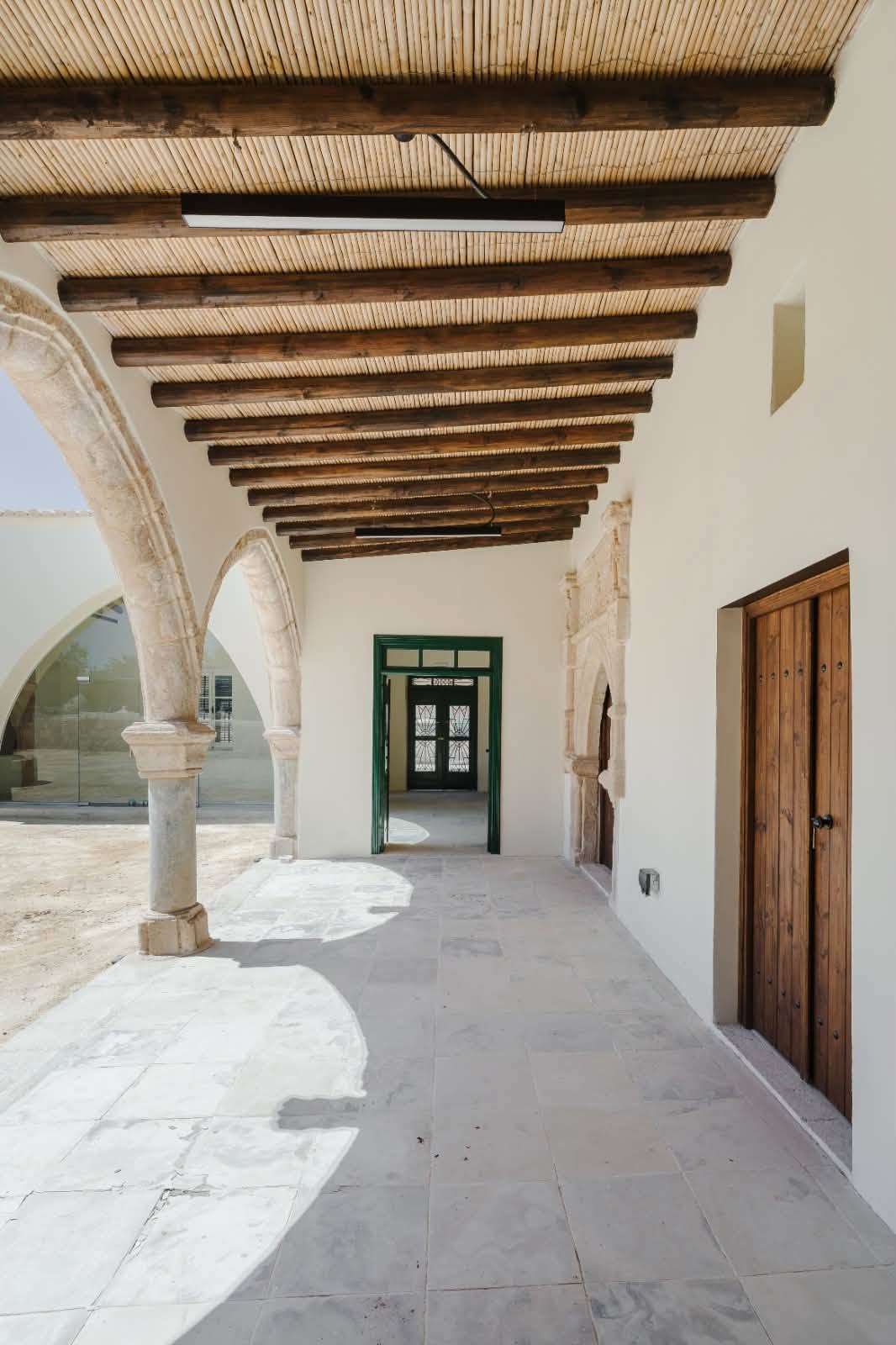
A stone house in the Famagusta district village of Limnia which was initially built in the 18th century and was declared an ancient monument in 1971 has been fully restored, bicommunal technical committee on cultural heritage co-chairman Sotos Ktoris said on Thursday.
The house, known as the Hadjipanteli House, was, according to Ktoris, “built in successive phases, with the first dating back to the late 18th century”.
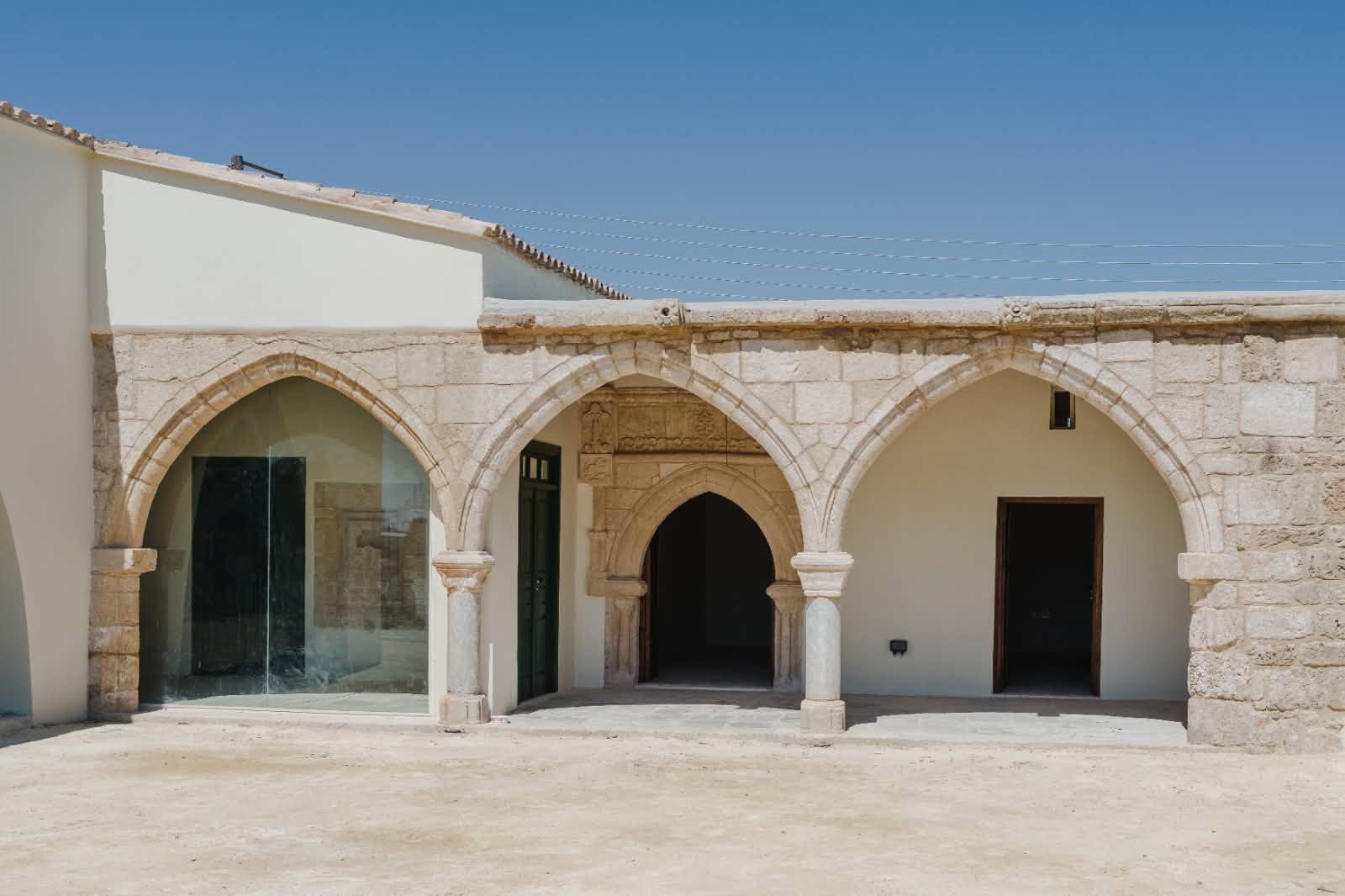
He described the house as a “typical example of traditional Cypriot architecture”, and said that “what makes it particularly interesting is that it incorporates in a second use various architectural elements and stone carvings, which possibly come from both the Salamis architectural site and the remains of medieval buildings”.
Additionally, he said, the building “also includes traditional decorative stone carvings”.
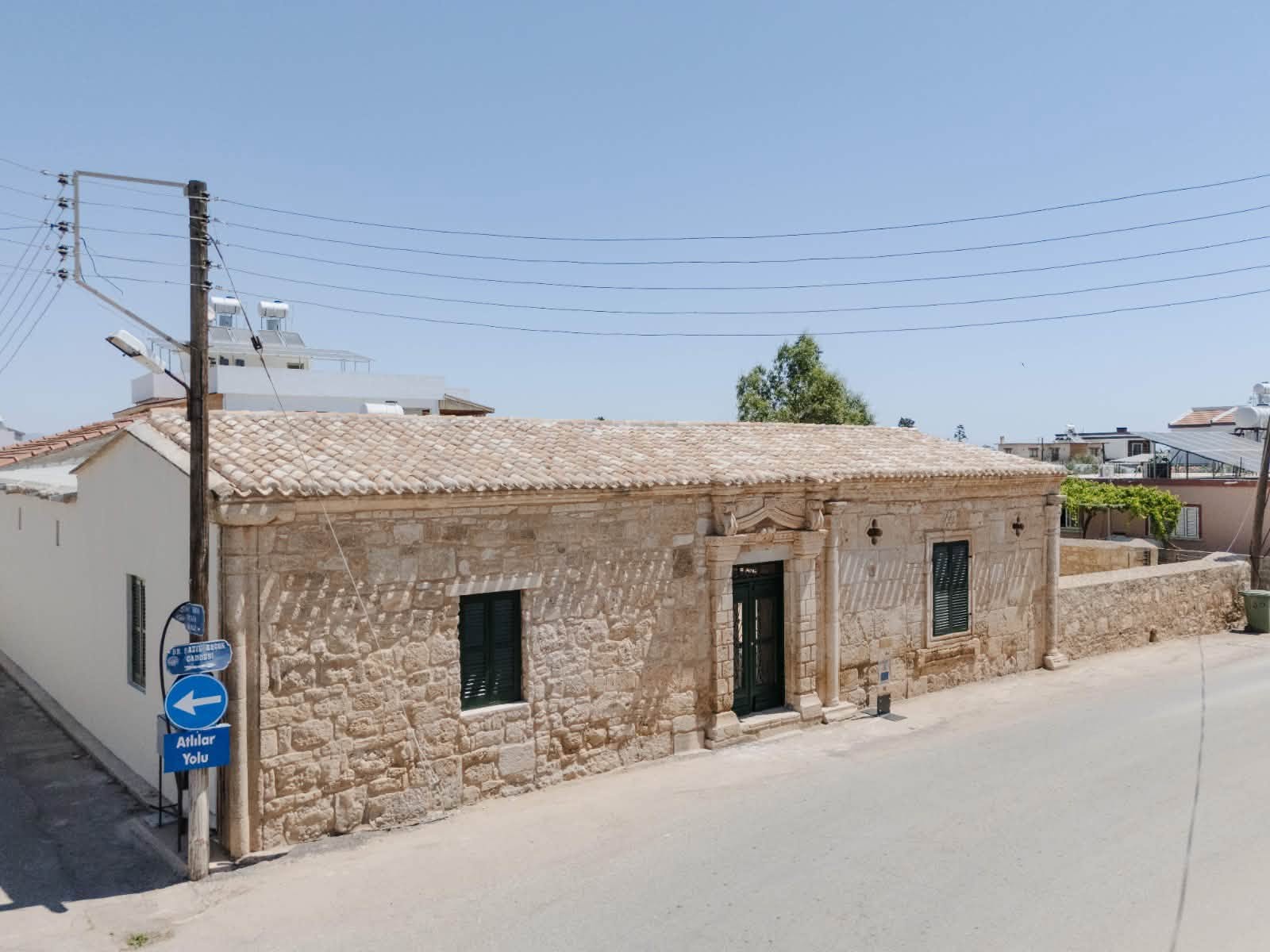
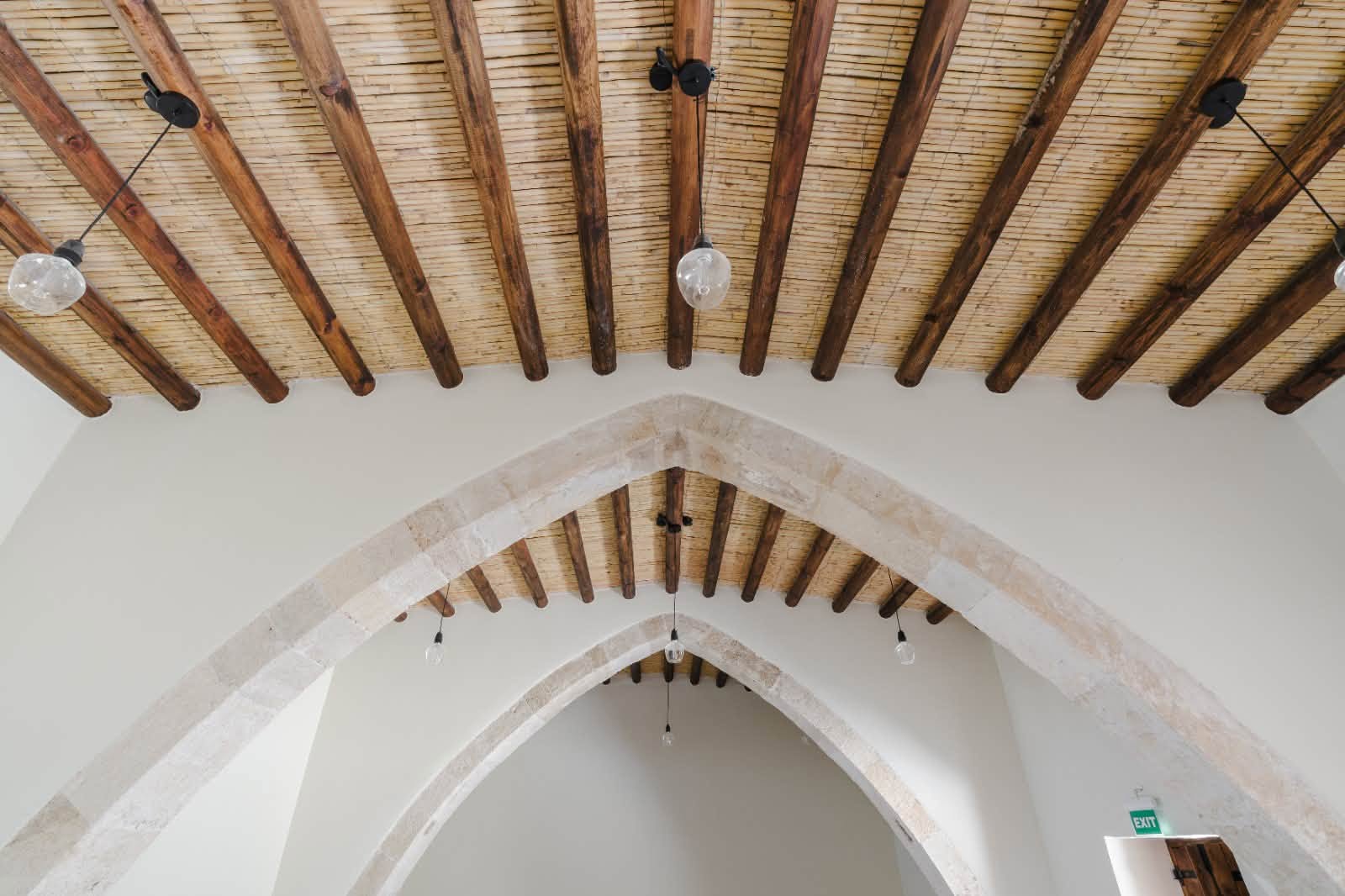
He said that the restoration work carried out “included the conservation and restoration of the stonework, roof, and brick elements, the preservation of the historical stone carvings and architectural elements, the restoration of the wooden elements and the floors, and the landscaping of the courtyard”.
The project was funded by the European Union and implemented by the United Nations development programme.
Limnia is located between Famagusta and Trikomo, and was historically a Greek Cypriot village. Its population fled southwards in August 1974.
Today, it is mainly inhabited by Turkish Cypriots who were displaced from the Larnaca district villages of Dromolaxia, Aplanda, Anaphotida, Softades, and Klavdia, while the village’s post-1974 name in Turkish – Mormenekse – was taken from the Turkish name for Dromolaxia.





Click here to change your cookie preferences