
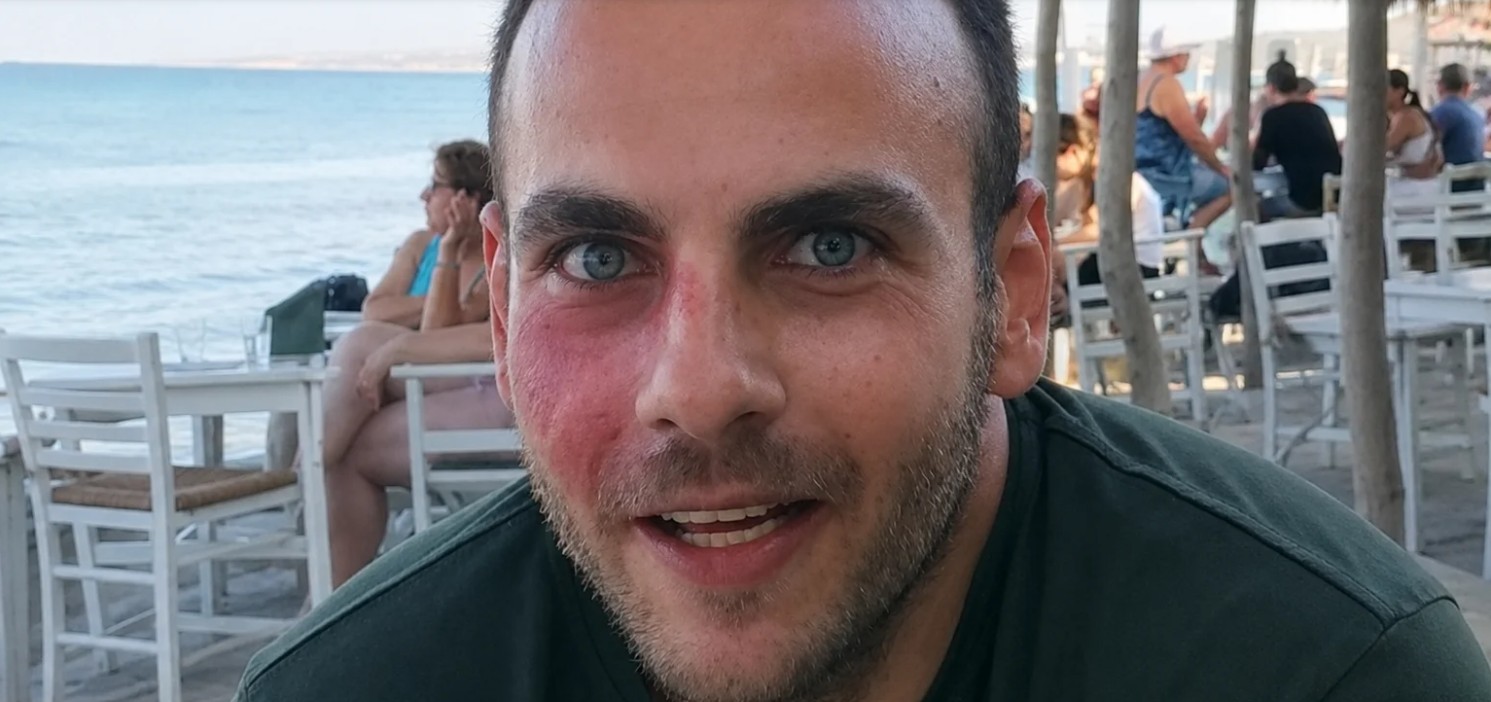
The father of a 32-year-old Limassol man reported missing earlier this week has accused a criminal court judge of preventing his son from entering a rehabilitation programme, claiming the decision deprived him of treatment before his disappearance.
Alexandros Sophocleous has been missing from his home since Monday, with police continuing efforts to trace him and appealing for information from the public.
In a letter sent to Sigma on Wednesday, his father said he had previously appealed to the attorney general, George Savvides, in November 2025 seeking intervention in his son’s case, but claimed no action was taken.
He added that a further letter, accompanied by legal and medical documents, had recently been submitted to both Savvides and his deputy, Savvas Angelides, by a family friend.
According to the father, Sophocleous had agreed to enter the Ayia Skepi rehab clinic following the conclusion of criminal proceedings before the Limassol criminal court scheduled for today.
He said psychiatrists, psychologists, Athalassa hospital staff and workers from Ayia Skepi had collaborated with the family to persuade the 32-year-old to begin treatment and that the rehabilitation centre had already accepted his admission.
“Alexander was ready to go for rehab and treatment,” his father said in his letter to Sigma.
“However, the judge explicitly forbade him from going to Ayia Skepi. As a result, today Alexander is absent from his home and we, his parents, are living a hell.”
He also questioned “by what right can any judge prohibit a mentally ill person from receiving treatment,” while attributing responsibility for the situation to the judge who presided over the case.
The family said the documents submitted to the legal service set out a history of mental health difficulties, repeated hospital admissions and substance dependency, urging authorities to examine possible legal intervention to support rehabilitation.
Anyone with information that could assist in locating him is asked to contact Limassol CID, the nearest police station or the public hotline on 1460.


Click here to change your cookie preferences