
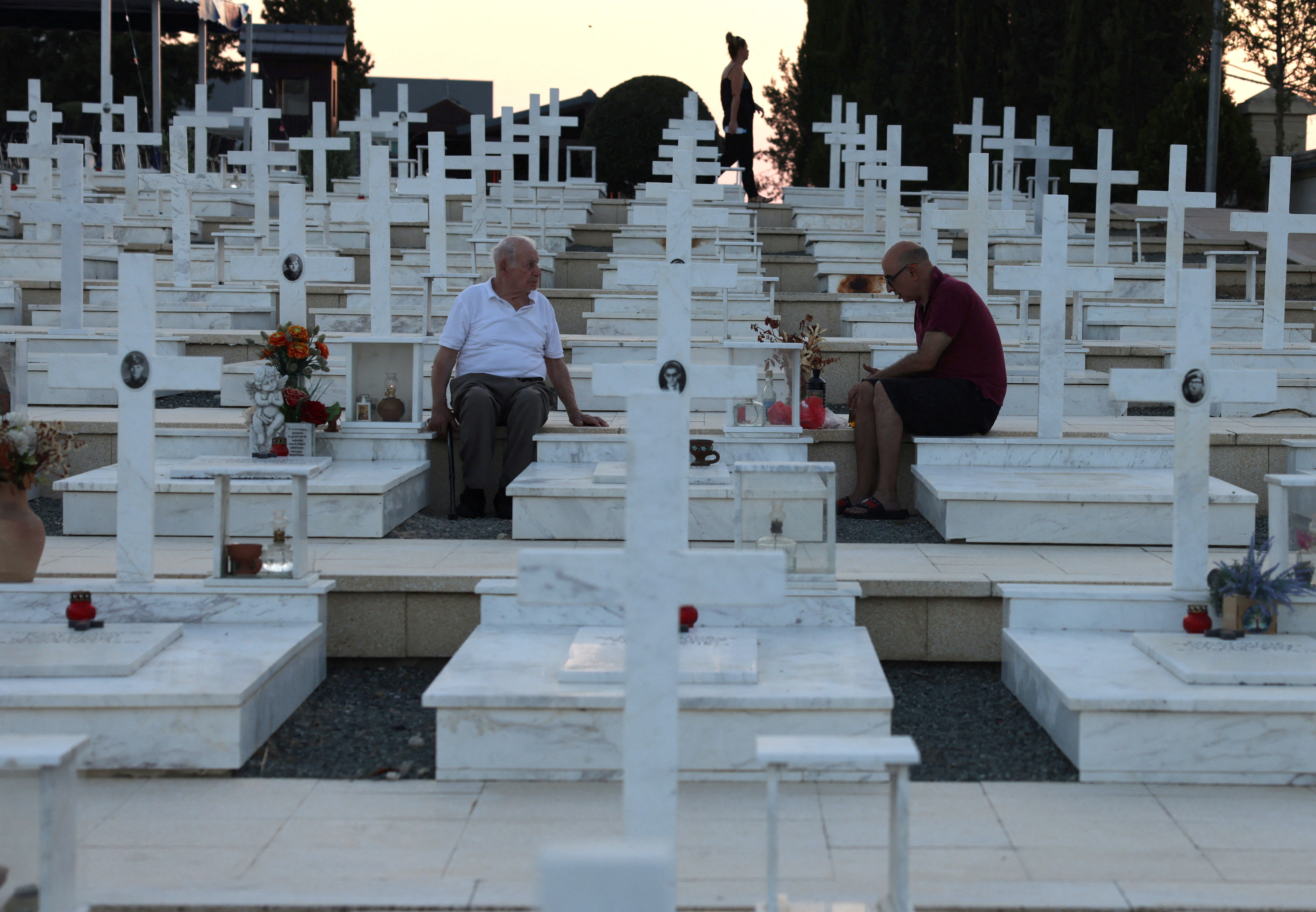
Memory is preserved through people rather than monuments, Health Minister Neophytos Charalambides said on Saturday during a remembrance event in the Amathus municipality honouring those killed and missing during the Turkish invasion 1974.
Charalambides said the tragedy of ‘74 did not begin with the invasion on July 20, but with the coup that preceded it and the collapse of constitutional order.
He further condemned the coup as an attack on democracy and warning against the idea that violence could replace popular will.
“This historical truth does not in the slightest diminish Turkey’s responsibility,” he said, adding that both the coup and invasion showed the dangers of a country being “wounded from within and threatened from without”.
Referring to those who died, Charalambides said their sacrifice represented a decision to stand firm during a period of fear and uncertainty.
“Their value lies in the choice to stand tall when everything around you is crumbling,” he said.
He also spoke about the missing persons of Cyprus, describing their fate as one of the most painful aspects of the tragedy.
“There were parents who passed away waiting. There were mothers who kept a photograph for decades,” he said, remarking that the search for the truth about every missing person was “an act of justice, humanity and duty”.
Charalambides said remembrance was carried through names, photographs and communities rather than physical structures.
“Memory does not reside in monuments. It resides in people,” he said.
The minister concluded that honouring those lost also required building a Cyprus capable of learning from its history and continuing efforts to address the consequences of the past.

Click here to change your cookie preferences