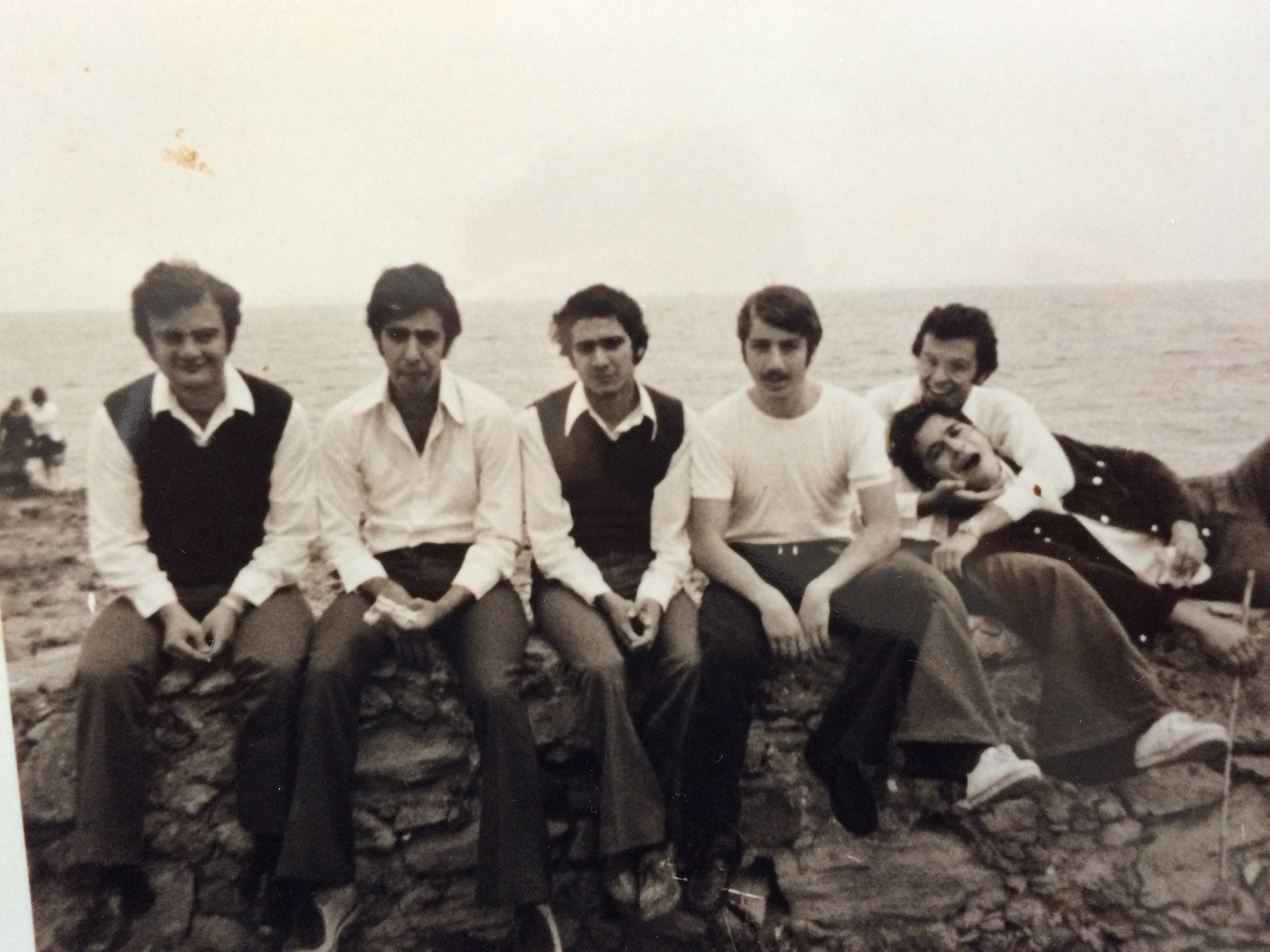
It is difficult to overstate the place Kyrenia has occupied in my father’s life. The town retains, as it has for many of its displaced inhabitants, a magnetic hold over the imagination.
For my father, it was the setting to an idyllic childhood which had been abruptly cut off. From a young age, I was instilled with the knowledge that ours was a family living in exile.
I grew up rather acutely aware, as one must be ever reminded, that we had been condemned to the wrong side of the mountain, looking north across towards that other Eden, just ever so out of reach.
To bridge that distance, he would often recount tales of an illustrious past; of Peloponnesian rebels who fled to Cyprus; of merchants who washed ashore from Crete and found refuge in Karmi.
Such histories proved little consolation, and all things considered perhaps had my Cretan forebears had the good sense to stay firmly on land it may have played out better for us, but I digress.
Born into a well-established family that had built a comfortable existence through generations of farming and enterprise, my father was the latest in a long line of men whose fortunes were tied to the land.
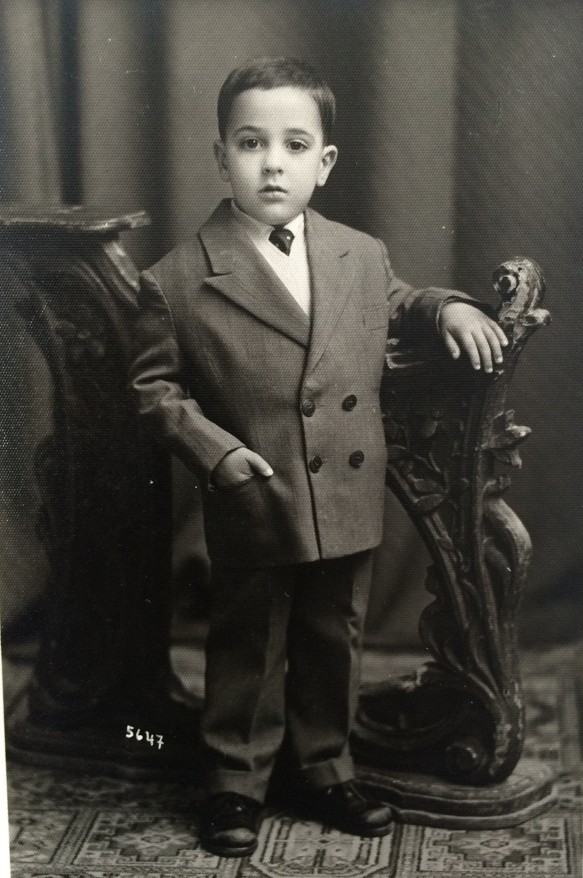
Yet for all the family’s assets, it was the land itself that held the greatest fascination for him.
“I loved the nature in Kyrenia, above anything else. We had everything we needed right there, it was paradise,” he says.
That paradise was not only found in the lemon orchards and hills, but in the strong bonds formed within them.
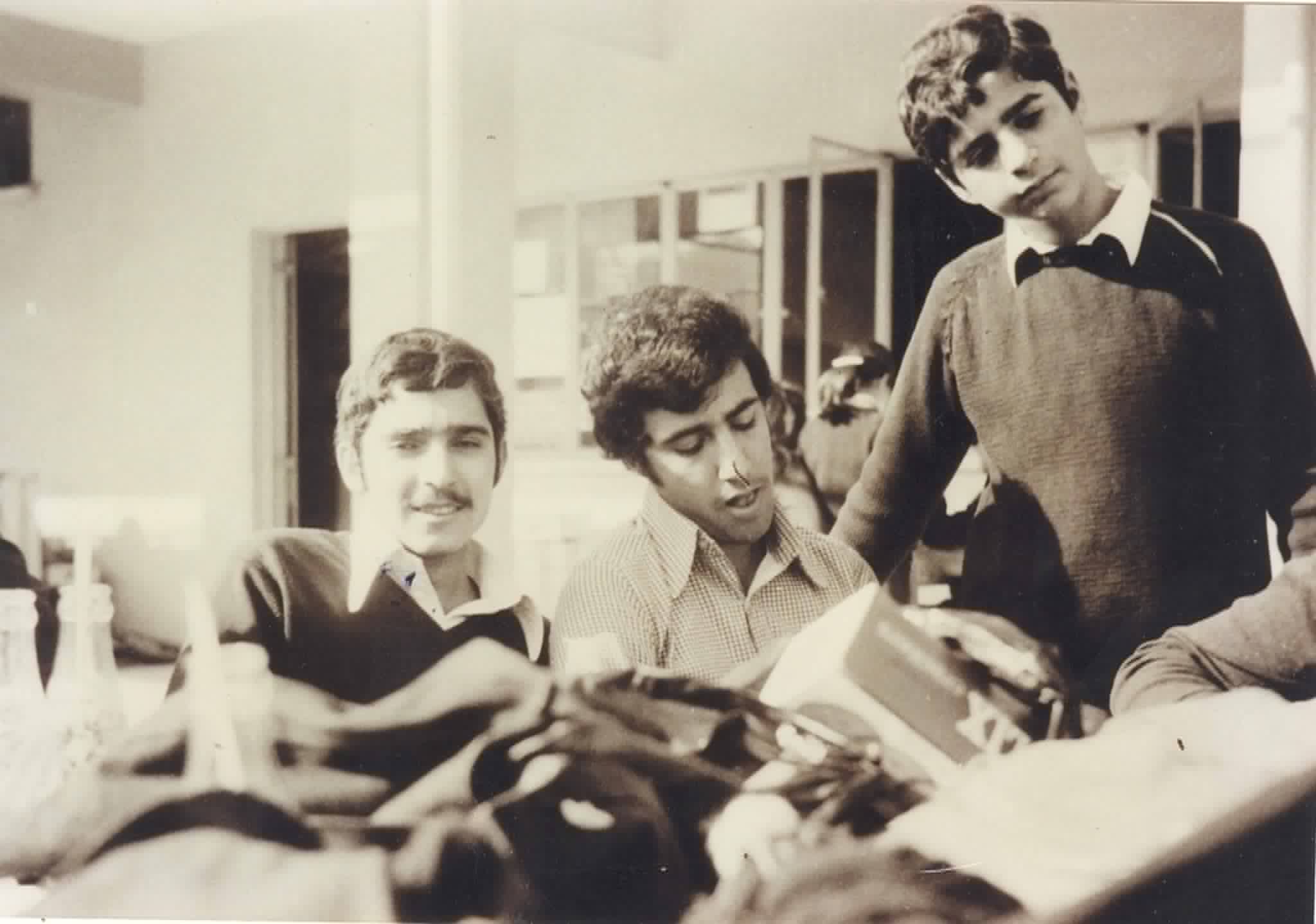
A rebel and truant at his gymnasium, he formed lifelong friendships with fellow mischiefs Soteris Charalambides and Petros Hadjichristodoulou.
The three had known each other since childhood and were “thick as thieves”, as my father characterises it.
His stubbornness undoubtedly produced a penchant for challenging authority.
His disdain for wearing the school uniform was such that during a school excursion to Troodos, his gang was turned away from the bus for refusing to wear their blazers.
“I was a non-conformist from the get-go, I just hated being ordered around with no sense to it,” he proudly proclaimed.
Outside of school, he was an athletic type; a Pancyprian swimmer and a right back for PAEEK at one time.
“My smoking habit did not serve my sporting career well,” he concedes.
He recalls back to when he was but seven years old, when intercommunal fighting broke out between Greek and Turkish Cypriots across the island.
Due to the family home and factory being in such proximity to the Turkish quarter, he took shelter in Ayios Georgios, while the National Guard occupied their home, expecting further trouble.
“I remember to this day the gunfire beneath Hilarion very clearly,” he says.
His grandmother would block the windows at night, fearing possible air raids after the Turkish air force had unleashed napalm in Tillyria.
By 1967, the military crisis had brought thousands of Greek soldiers to Cyprus, with one of their camps established next to the family factory.
For an eleven-year-old boy, the presence of such soldiers was admittedly a source of endless fascination.
“They let me sit on the anti-aircraft vehicles, where I’d play pretend we were in some great battle,” he recalls.
Kyrenia became increasingly detached from the rest of the island. TMT had taken control of the main artery towards Nicosia and secured the commanding position of St Hilarion Castle.
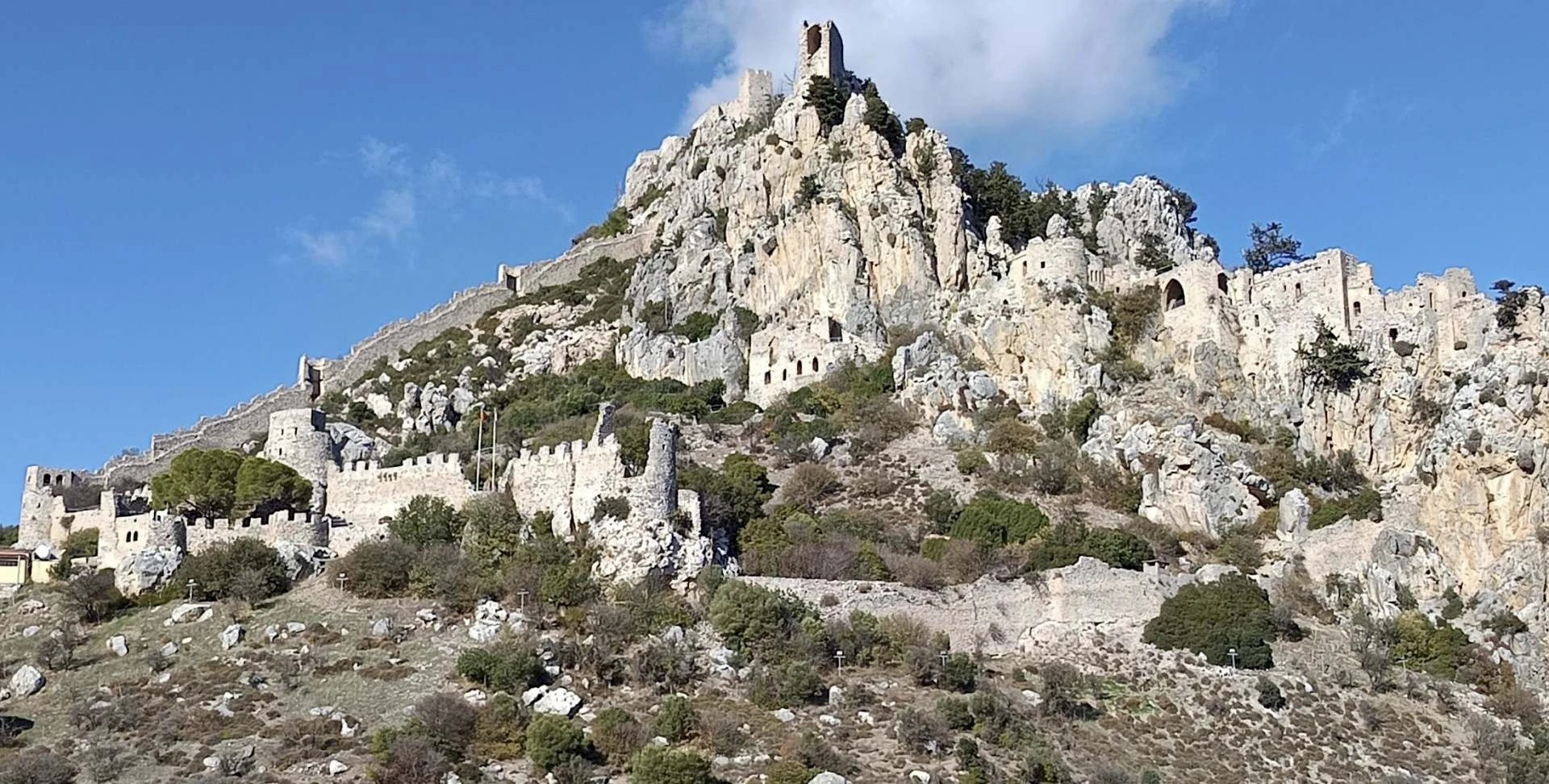
Such an insurgency was left to their own devices upon the orders of Makarios’ expert strategists who assured that they “would not last the winter”.
The family workshop suffered greatly as distributors struggled to reach Kyrenia and trade dramatically declined across the town.
However, despite the hardships inflicted, my father remembers his grandfather refusing to dismiss employees.
“He wouldn’t lay anyone off,” he says. “They had families just like us and he just didn’t have the heart.”
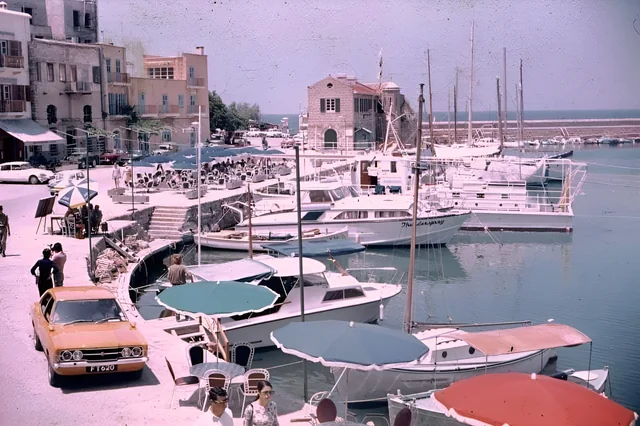
By the early 1970s, those difficult years appeared to be behind them, and the family fortunes were once again beginning to recover.
Indeed, they had broken records from their harvests and sold some one million lemons to distributors.
Kyrenia itself was on the ascendency, offering an alternative repose to those seeking more than the concrete cinderblocks afforded in Elizabeth Taylor’s Varosha.
Venues such as the Wagon Wheel and Bamboo discotheques attracted the hip, young things from across the island.
The Galleon pub, perched beside the Marabou Hotel, was the regular haunt for my father’s cabal, where many brandy-laden nights squabbling over girls, or cursing Makarios, were undoubtedly held.
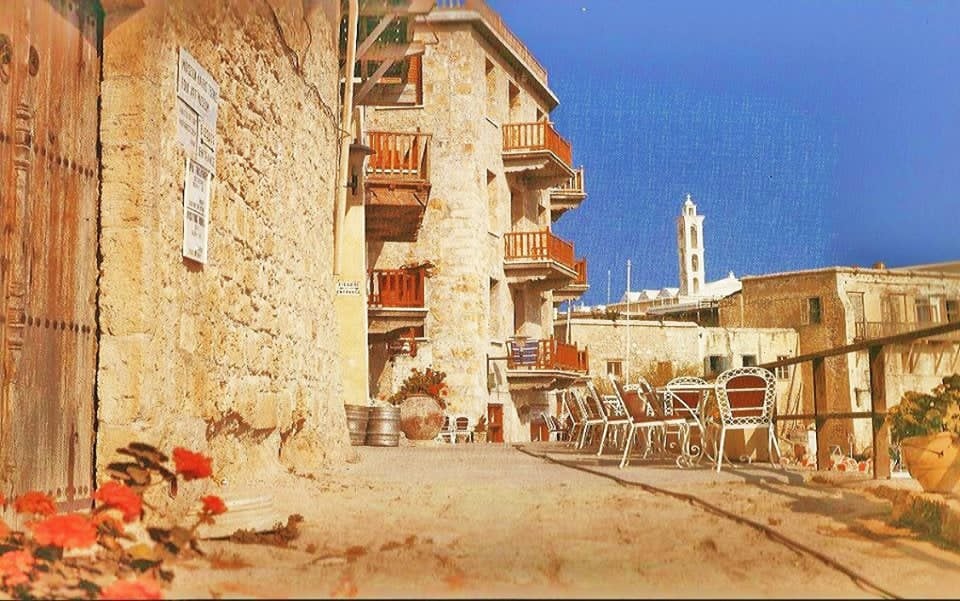
The town at the time likewise had retained many of the eccentric English characters still hanging on after the Crown gave up the ghost.
Lady Pemberton, who drove around in a magnificent maroon Rover wearing a ludicrous hat with all her airs and graces, was a frequent sight about town.
He recalls another old boy, a regular client at his father’s shop on old Hellas Street, who’d pass comments on the ladies of the night who patrolled the harbour.
“No, no, my dear chap, I only admire,” he would say, “to touch one has to pay”.
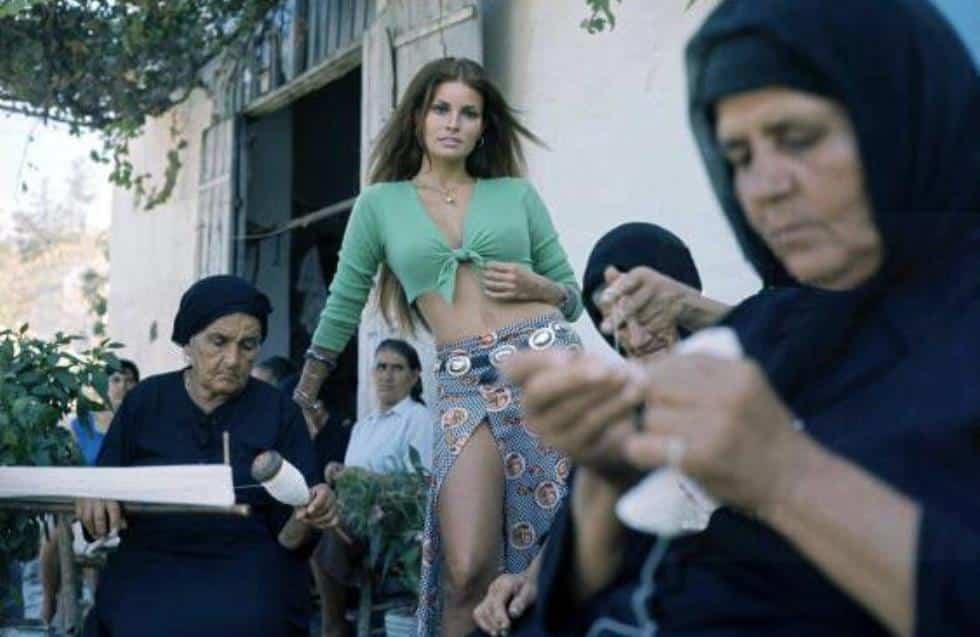
He remembers international film stars who passed by, from Peter Sellers to Raquel Welch, the latter having filmed in Karmi for her salacious movie Sin.
The family business supplied materials for film crews, while the farm provided some 1,000 kilograms of grapes for various wine pressing scenes.
“We had it good I tell you”, he remarks, “I hardly left Kyrenia when we were growing up, I felt set for life there”.
Yet for all the splendid isolation the lofty crags of the Pentadaktylos had afforded him, the island’s political realities began to reach over the mountains.
On July 14, 1974, my father and his brothers hosted what many old Kyrenians often describe as the last great gathering before the city fell.
It was an end of year celebration held in an open field behind their home.
“Some five hundred people descended on us. We hardly knew a bloody soul at one point, it got a little out of hand,” he bemused.
The following morning, sitting in the garden and impossibly hungover, my father was waiting for some Paphite stragglers to finally return from whence they came.
He had barely recovered from the previous night’s celebrations when the sound of explosions interrupted the morning; the coup had begun.
“Tanks were rolling around Kyrenia, I heard gunfire down the road, the whole town was overrun with soldiers,” he recalls.
Five days later, when the sirens sounded at 5am, the inevitable occurs. He witnessed Turkish aircraft bombarding the Greek naval base stationed in Kyrenia Castle.
Taking shelter in the nearby courtyard of St Andrew’s Anglican church, when there was an opportunity to move, he made his way towards Schizas petrol station.
There he found my grandfather, waiting in one of their trucks, who had likewise been called up.
“You go home,” he said. “There is no place for you here.” My father’s stubbornness in full display, took umbrage with such a notion.
“I said quite clearly, I’m staying put, I’m with everyone else in this.” By then, the Turkish landing fleet had established itself at the beachhead on Pentemili.
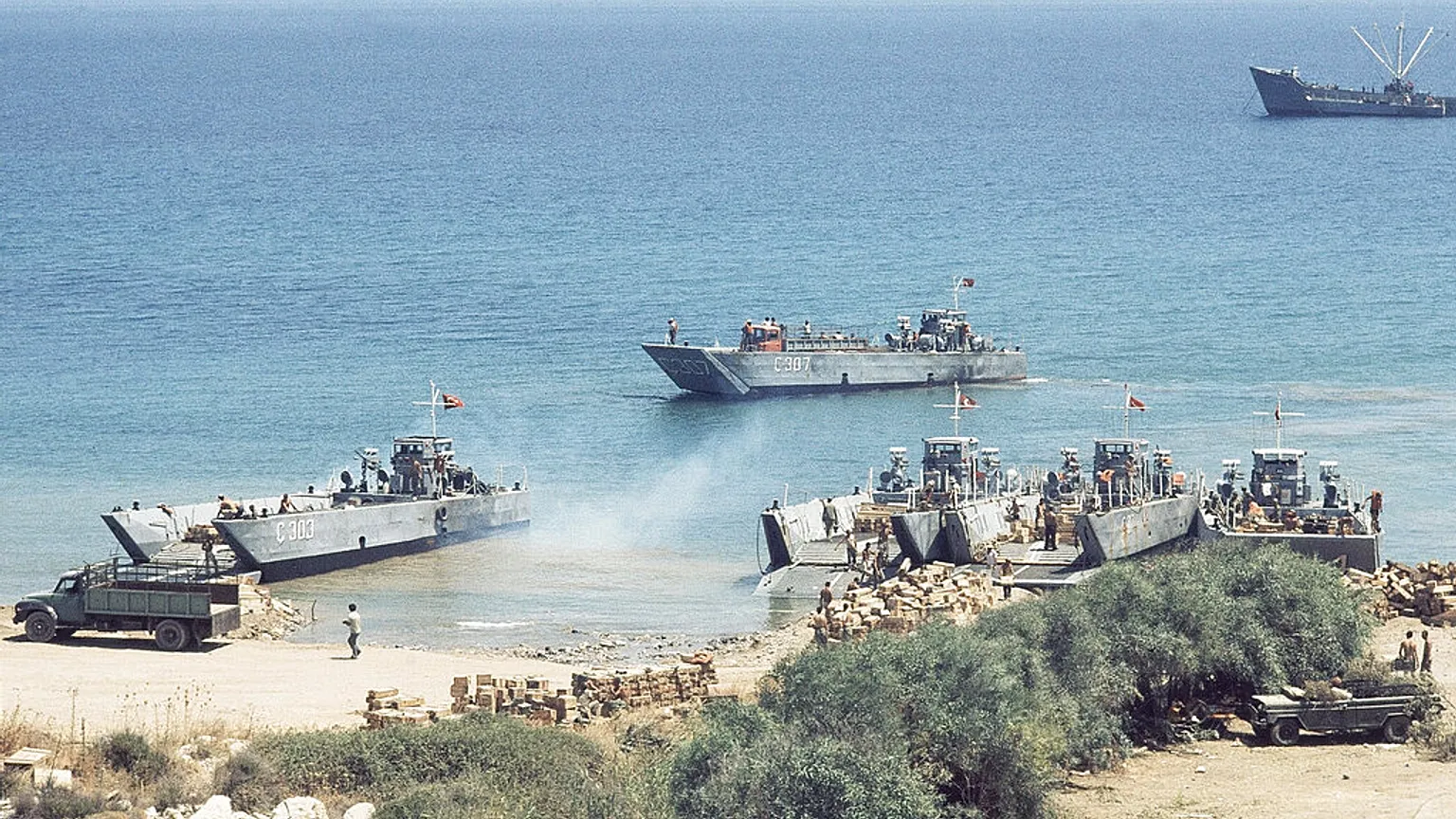
Aircraft passed overhead, carrying paratroopers who were to be dropped over the Pentadaktylos and the Mesaoria plains.
“Must have been at least sixty helicopters coming over us, the sound was like hell.”
My father continued towards the Turkish quarter with whatever boys had decided to also volunteer.
“We have no problem with you,” he exclaimed to a Turkish Cypriot shopkeeper. “Whatever this is, it’s between us and the Turkish army.”
“These were people we knew,” he says. “Our neighbours, our football friends. We ate in their restaurants.”
He was later collected and taken to the Praxandros football stadium, where he joined the 251 Infantry Battalion.
The unit was attached to an artillery formation, comprised of some six Scania trucks carrying military supplies.
They were ordered to move towards Ayios Georgios, where they were assured, soldiers would direct them to their next positions.
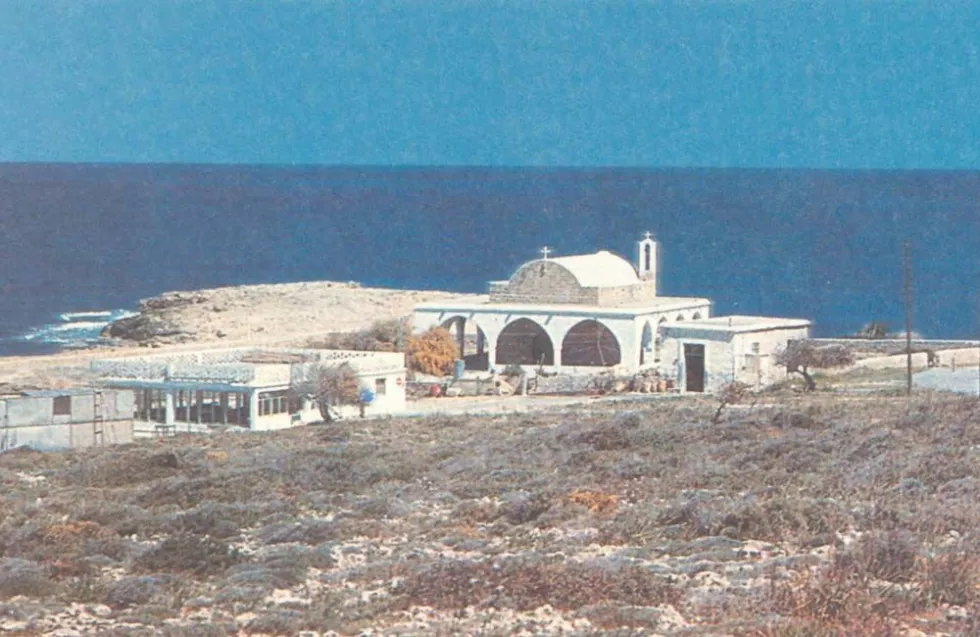
Upon reaching Glykiotissa, he guarded the coastline on rotation, watching for possible Turkish naval commandos.
Twenty minutes later, news arrived that the forces ahead had been destroyed; the trucks carrying ammunition to support them had been intercepted.
The following morning, July 21, he travelled with his comrades towards Trimithi.
Unit 251, led by its commander Lieutenant Economides, established a defensive position with heavy mortars aimed towards the Turks.
“The battlefield was familiar territory; I was essentially fighting in my very own farm.”
After a lull in exchanges, they heard the Turkish forces approaching.
“We heard this grumble from above; tanks and armoured vehicles approaching.”
The unit was admittedly ill equipped to handle the situation they were placed in.
“We were down there with Vickers machine guns and Enfield rifles. We fought with everything we had that night.”
The fields where he had spent his childhood had been dug up with trenches.
“I said to myself this was to be my Thermopylae; I had no fear of death.”
Mortar fire continued through till morning, and aircraft had incessantly attacked their position but failed to break them.
By the afternoon, Economides sent boys to a nearby farm to collect water for the troops.
“When these lads returned, they told us that the Turkish flag was flying over Kyrenia, and that the town had fallen.”
My father hesitates for a moment to find his words. “I just couldn’t comprehend it.”
Economides ordered their retreat. Remaining in position risked them becoming surrounded by the Turkish advance.
“I carried three artillery shells on my shoulders as we made our way towards the road leading back to Karmi.”
Upon their retreat, a Turkish frigate positioned offshore began shelling their position.
“Economides ordered us to abandon the heavier equipment. We kept only our Enfields and carried on, the whole mountain was ablaze.”
They continued west along the mountain’s spine towards Lapithos, heading for an artillery unit, while the landscape burnt around them, dense in smoke.
On their way, they encountered the 32nd Commando unit. Upon being told that Kyrenia had fallen, they carried onwards into the inferno ahead, seemingly aware of what awaited them.
“By midnight we sheltered in a small stye on the mountain and crashed, we hadn’t slept for days.”
The following morning, informed of the ceasefire, my father relays that “all us volunteers were ordered to leave as soon as we could, the regulars were to stay.”
They were given passage towards Sysklipos, descending the mountainside, and from there found transport towards the Nicosia Road near Myrtou.
Arriving in Larnaca following his exodus south, he struggled to comprehend what he had just endured and what he now saw before him.
“People were walking along the promenade, having coffee, minding their business; they were carrying on as if there wasn’t a war on for them.”
His brother Stelios, as an officer with the 182 Artillery Division, continued operations against the Turkish advance and would not return to safety until weeks later, after the second phase of Operation Attila.
The war had incurred a heavy cost amongst his closest friends.
Michalis Charalambides, Soteris’ brother who served in the 33rd Commando Battalion, was captured on his third mission to Bellapais to rescue wounded comrades. He was handed over to TMT militants and executed in Kazafani.
Petros Hadjichristodoulou’s parents remained trapped in Kyrenia throughout the conflict. Registered by the Red Cross, they survived two years enclaved behind enemy lines.
“I knew boys who were taken to Adana, friends of mine we lost. No one left the war unscathed”.
When the crossing points opened in 2003, nearly three decades after the war, my father could not bring himself to return.
In 1994, his own mother, Maroulla, had been granted rare permission to cross back to Kyrenia for the funeral of her aunt Thegnosia, who had remained enclaved in the town after the invasion.
Her Turkish handler had initially refused permission to visit her former home, yet after my grandmother’s insistence, allowed a brief stop after the service.
“She was devastated, all the furniture was still there; she collapsed inside the house, it was too much for her.”
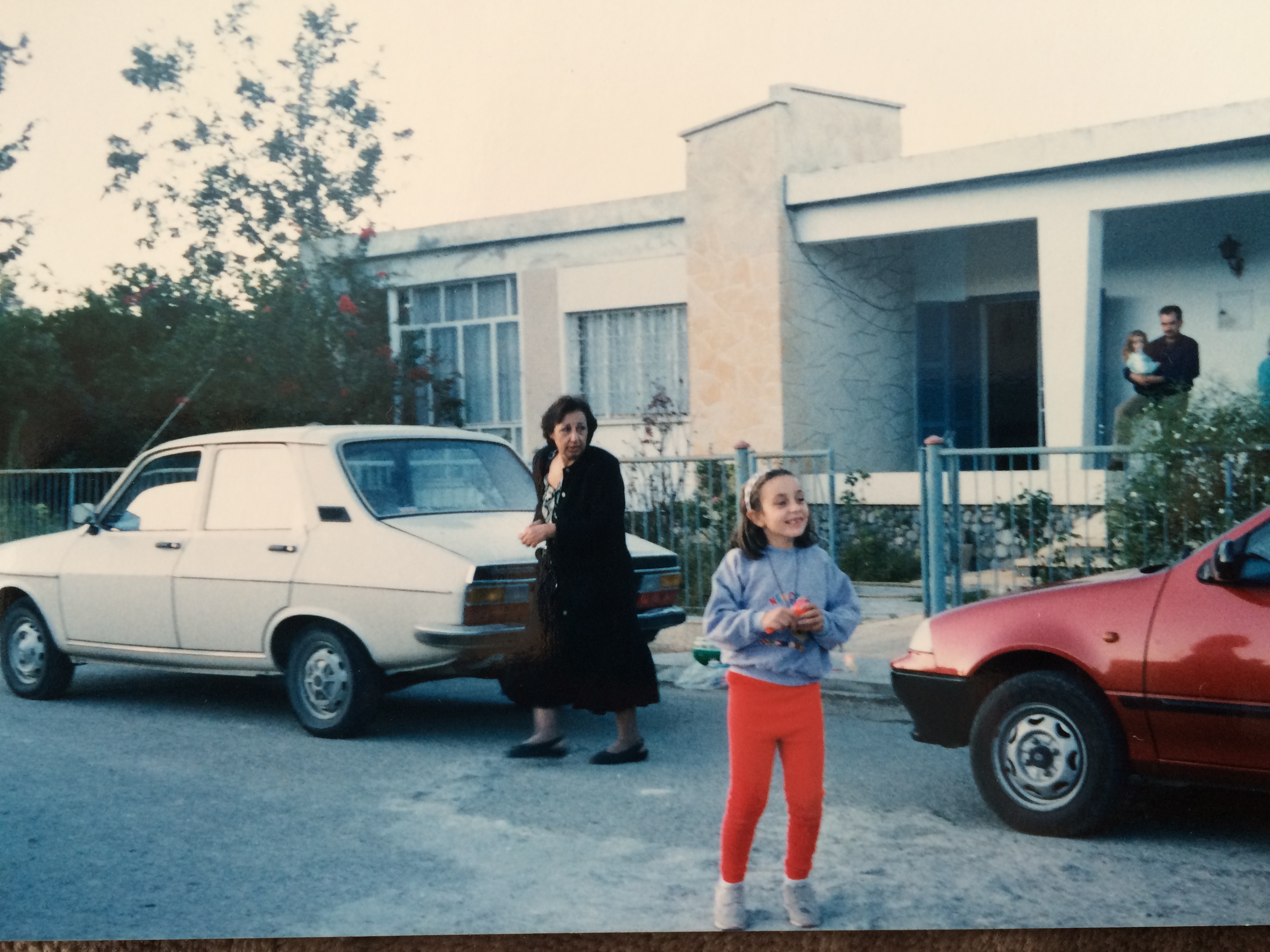
Perhaps in part shaped by that experience, it would be another four years before he finally crossed over himself.
The first port of call was indeed the family home.
The garden had once been Maroulla’s pride and joy. Her rose garden was, so I’m told, of such calibre it won awards for its pruning.
Such a green-fingered inheritance has not, as with much else we had, been passed down.
He found the house boarded up, its garden overgrown and neglected, while the adjoining factory had been repurposed as the rather ill-named Zeus Casino.
“I was standing outside my own home,” he recounts, “but I couldn’t recognise where I was. I lost all my bearings. It affects me still, of course it does.”

Click here to change your cookie preferences