
The next two years will be decisive for the future of Cyprus’ energy strategy as the country prepares to transition from gas discoveries to production, Energy Minister Michael Damianos said on Wednesday.
Speaking at the World Congress of Overseas Cypriots in Nicosia, Damianos said Cyprus had reached “a pivotal point” in its energy journey, with developments in the eastern Mediterranean presenting both significant challenges and new opportunities.
“In an environment of heightened geopolitical uncertainty, energy has emerged as a key factor for economic development, regional cooperation and strategic security,” he said, adding that Cyprus continues to pursue a “consistent and multidimensional” energy policy aimed at reducing energy costs, strengthening security of supply and making the most of its domestic resources.
Damianos highlighted the growing importance of the 3+1 energy partnership between Cyprus, Greece, Israel and the United States, describing it as an increasingly important platform for political and technical cooperation. He said the framework now extends beyond hydrocarbons to renewable energy, electricity interconnections, new technologies and energy innovation.
Referring to the recent ministerial meeting of the 3+1 partners in Houston, he said the four countries had agreed to develop a cooperation roadmap expected to be approved later this year. He also welcomed the launch of the Eastern Mediterranean Energy Centre at Rice University’s Baker Institute, saying it would serve as a hub for cooperation between governments, academia and the energy industry.
Damianos said recent meetings in the United States with US Energy Secretary Chris Wright and White House National Energy Dominance Council executive director Jarrod Agen confirmed the strong momentum in Cyprus-US energy relations and focused on energy security and expanding strategic cooperation.
Turning to Cyprus’ offshore natural gas programme, the minister said the country had recorded six gas discoveries in its exclusive economic zone over the past 15 years, with estimated reserves of around 20 trillion cubic feet, strengthening the eastern Mediterranean’s role as an alternative energy source for Europe.
He said the Kronos field in Block 6 had now entered its most advanced phase after Italian energy company Eni and France’s TotalEnergies announced their final investment decision on Tuesday. Following cabinet approval of the field’s development plan in May and the granting of an exploitation licence in June, production is expected to begin in 2028, making Kronos the first Cypriot gas field to enter commercial production.
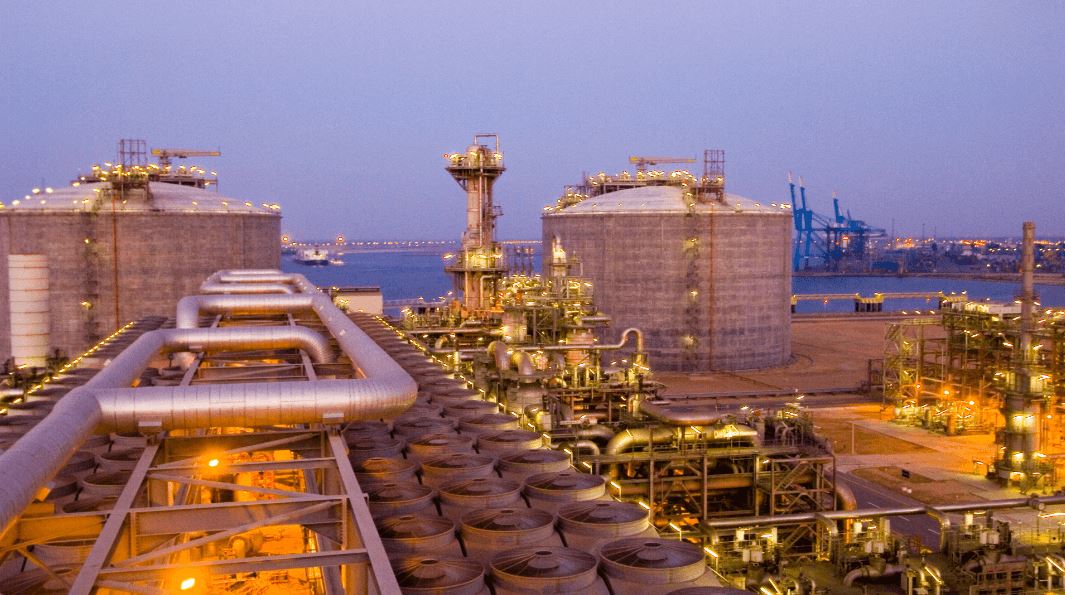
Natural gas from the field will be transported by subsea pipeline to Egypt’s Zohr facilities before being liquefied at the Damietta LNG plant for export, primarily to European markets.
Damianos added that Chevron, NewMed Energy and BG Cyprus are expected to take a final investment decision on the Aphrodite field in Block 12 in 2027, with production planned for the early 2030s.
He also said ExxonMobil and QatarEnergy are evaluating development options for the Glaucus and Pegasus discoveries in Block 10 and are expected to submit a development plan in early 2027. The companies have also expressed interest in exploring Blocks 4 and 10A, which the minister described as another vote of confidence in Cyprus’ energy prospects.
“The next two years are expected to be decisive for the future of Cyprus’ energy strategy,” Damianos said, adding that the country was moving from the exploration phase to production, strengthening both its geopolitical role and Europe’s energy security.
He stressed, however, that the government’s energy policy extends beyond hydrocarbons, with Cyprus continuing its transition towards a more sustainable, competitive and resilient energy model.
Addressing the overseas Cypriot community, Damianos said the diaspora remained one of the country’s strongest ambassadors in promoting Cyprus as a reliable energy and investment partner internationally.




Click here to change your cookie preferences