
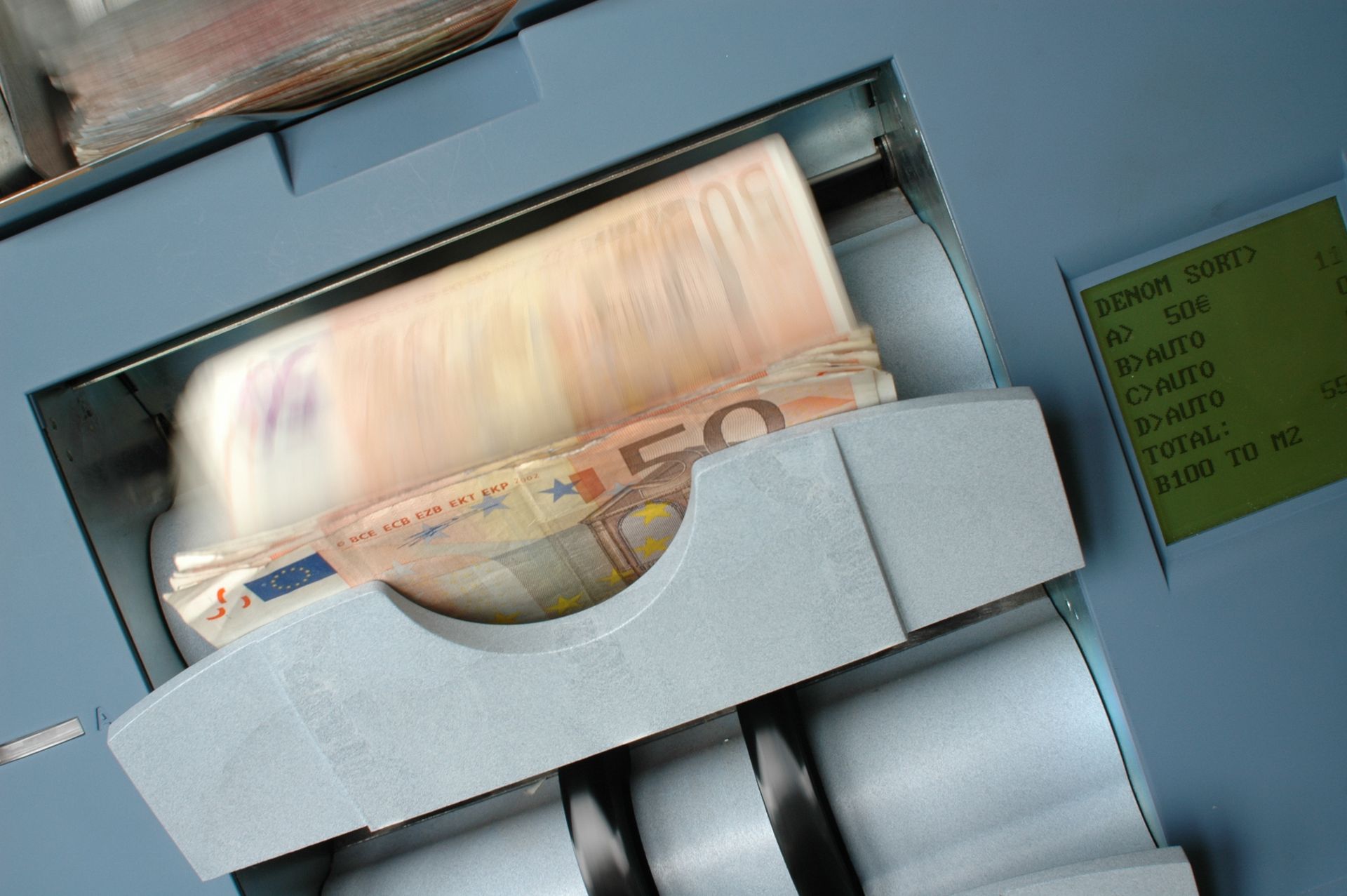
The total number of automated teller machines (ATMs) across Cyprus fell slightly from 398 at the end of the second half of 2024 to 396 at the end of the second half of 2025, according to a report from the Central Bank of Cyprus (CBC).
Although new machines were installed in remote and mountainous areas during 2025 to improve access to cash for local communities, those gains were more than offset by removals elsewhere, mainly in more central locations.
By the second half of 2025, about 73 per cent of ATMs in Cyprus supported contactless transactions, underlining what the report described as a relatively advanced ATM infrastructure and a strong readiness to meet changing consumer payment preferences.
That put Cyprus well ahead of the euro area as a whole, where only 38 per cent of ATMs accepted contactless transactions, even though the total number of machines also declined marginally, from 252,249 in the second half of 2024 to 248,888 a year later.
Over the past five years, the number of ATMs in both Cyprus and the euro area has fallen by about 13 per cent, a trend linked to the gradual decline in cash use and banks’ efforts to streamline operating costs.
According to the ECB SPACE study, Cyprus recorded the largest fall in the share of cash payments at the point of sale among euro area countries between 2022 and 2024 in volume terms.
The report said this pointed to a continuing shift in consumer payment behaviour towards digital methods and a growing preference for electronic payments in everyday transactions.
At the same time, alternative ways of obtaining cash have become more common, including cashback services at the point of sale.
While ATM withdrawals remain the main way of accessing cash in Cyprus, cashback at the till has gained pace in recent years and is gradually becoming an important complementary withdrawal channel in the Cypriot market.
ATM cash withdrawals nevertheless remain a major self-service banking service in Cyprus, with about €2.6 billion withdrawn in the second half of 2025.
Although the total value of withdrawals was broadly unchanged from the second half of 2024, the number of withdrawals fell, which pushed up the average amount taken out each time.
That pattern was also visible over a longer period, with the average ATM withdrawal rising by 27 per cent, from €307 in the second half of 2022 to €390 in the second half of 2025.
The increase suggests consumers are making fewer but higher-value withdrawals, pointing to possible changes in both cash access and usage patterns.
The move towards alternative and automated cash channels was also reflected in a sharp decline in over-the-counter withdrawals at bank counters.
The number of cash withdrawals made over the counter has almost halved over the past three years.
The report said that trend may be driven both by more consumers turning to ATMs and other alternative channels, and by a preference for services that cost less, in line with banks’ efforts to reduce reliance on physical branches.




Click here to change your cookie preferences