
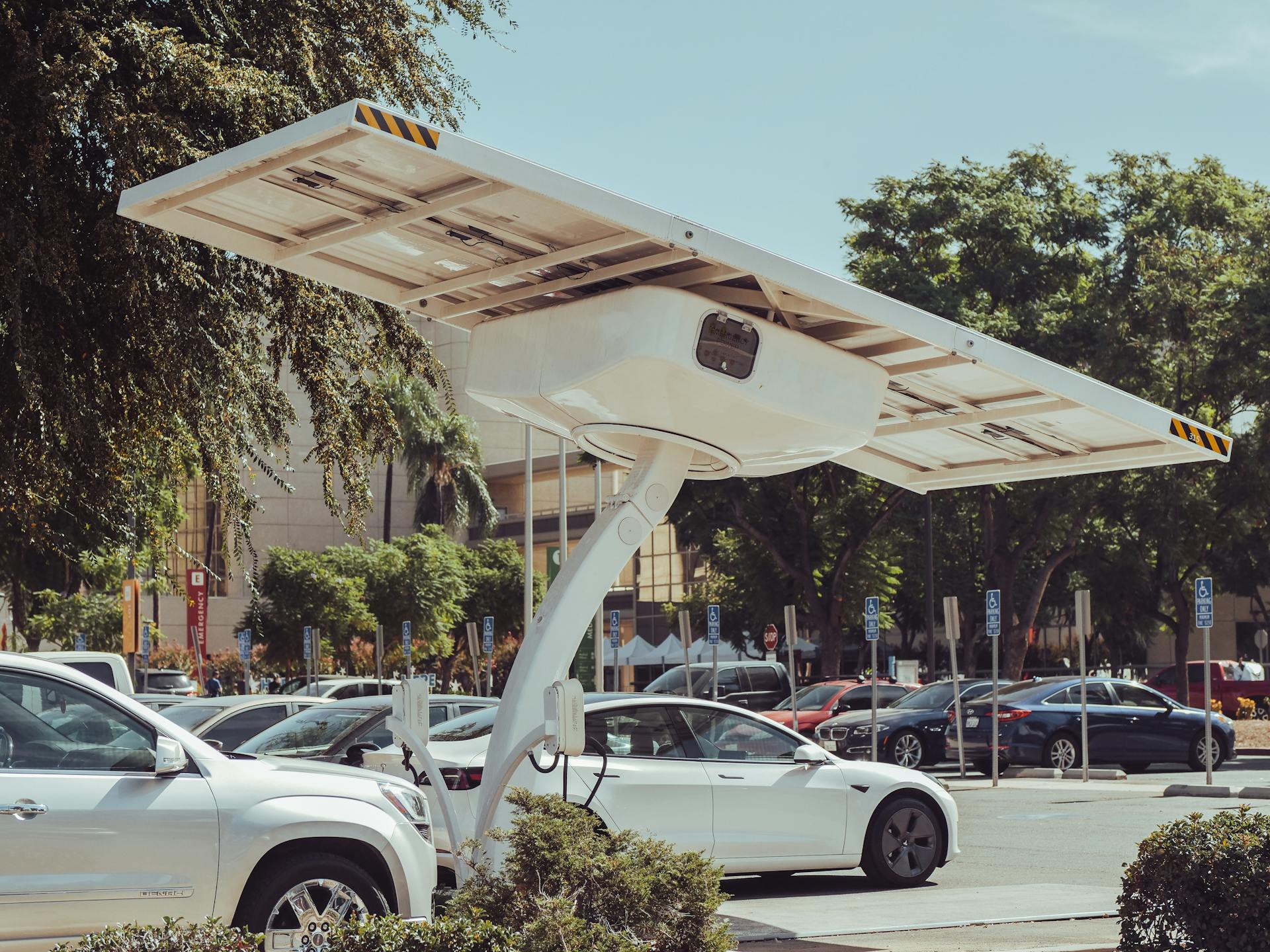
The European Union’s electric vehicle market rebounded strongly in 2025, while Cyprus continued its gradual shift towards electrified transport with hybrid cars accounting for more than half of new passenger saloon car registrations during the first half of 2026.
Eurostat figures showed that 1.89 million new battery-only electric passenger cars were registered across the EU in 2025, representing a 29.7 per cent increase compared with 2024, when registrations had fallen by 6 per cent from the previous year.
The total number of battery-only electric passenger cars on EU roads reached 7.59 million in 2025, up 31.5 per cent from the 5.77 million recorded in 2024.
Plug-in hybrids also recorded strong growth, with new registrations rising by 34.2 per cent in 2025 to 1.03 million vehicles.
Non-plug-in hybrids increased at a slower pace, rising by 13.4 per cent, but remained the most widely registered type of new vehicle in the EU, with 3.62 million registrations during the year.
At the same time, new petrol and diesel car registrations continued to decline, with pure diesel vehicles falling by 22 per cent to 1.07 million registrations and petrol cars dropping by 18.4 per cent to 2.98 million.
In Cyprus, hybrid vehicles accounted for 51.7 per cent of all passenger saloon car registrations during the first six months of 2026, up from 43 per cent during the same period of 2025, according to figures from the state statistical service (Cystat).
The data showed that hybrid cars have become the dominant choice among Cypriot motorists, as buyers increasingly seek lower fuel consumption while avoiding the charging requirements associated with fully electric vehicles.
During January to June 2026, 22,597 passenger saloon cars were registered in Cyprus, compared with 20,004 during the corresponding period of 2025, representing an annual increase of 13 per cent.
Petrol-powered cars, meanwhile, saw their market share decline to 35.2 per cent, from 43.6 per cent a year earlier.
Diesel vehicles also continued to lose ground, with their share falling slightly from 8.6 per cent to 8.2 per cent.
Fully electric vehicles recorded a modest improvement, with their share of passenger saloon registrations rising to 4.9 per cent in the first half of 2026, compared with 4.8 per cent in the same period of 2025.
The figures indicate that while battery-electric vehicles remain a relatively small part of the Cypriot market, they are following the wider European trend towards cleaner transport.
According to the European Commission, fully electric vehicles accounted for 20.6 per cent of new car registrations across the EU in April 2026, up from 15.7 per cent in April 2025 and above the average share of 17.4 per cent recorded throughout 2025.
The commission said around 750,000 fully electric cars were sold in the EU between January and April 2026, supported by a wider range of more affordable models becoming available.
It also highlighted the financial advantages of electric vehicles as a factor supporting their adoption, particularly amid elevated oil prices.
According to the International Energy Agency (IEA), electric vehicle drivers now benefit from fuel cost savings that are 35 per cent higher than a year earlier when oil prices are around 100 dollars per barrel.
The wider adoption of electric vehicles has also reduced EU oil demand by an estimated 140,000 barrels per day and lowered fossil fuel imports by approximately €4.5 billion annually, according to the commission.
The commission said the transition towards electric vehicles is increasingly driven by economic considerations as well as environmental concerns, since electric cars generally have lower running costs due to greater energy efficiency compared with petrol and diesel vehicles.
Despite concerns over overseas manufacturing, the commission added that most fully electric cars sold in the EU during 2025 were produced within the bloc, while around 20 per cent were imported from China.
The Cypriot market also continued to expand overall, with total motor vehicle registrations increasing by 13.2 per cent during the first half of 2026.
Cystat recorded 29,367 motor vehicle registrations between January and June 2026, compared with 25,954 during the same period of 2025.
In June alone, 5,624 motor vehicles were registered, up 13.8 per cent from 4,942 in June 2025.
The figures also showed that used imports remain a significant part of the Cypriot car market, with 67.9 per cent of passenger saloon registrations during the first half of 2026 involving imported used vehicles, while new vehicles accounted for 32.1 per cent.
Registrations of rental passenger cars declined by 11.8 per cent, falling from 2,820 to 2,487.
The latest data suggest that Cyprus motorists are increasingly favouring hybrid vehicles as a practical transition option, while fully electric cars continue to gain a foothold at a slower pace.





Click here to change your cookie preferences