
More than 90 seafarers are being held captive aboard six vessels as piracy returns to the Gulf of Aden, prompting the International Maritime Organisation (IMO) to demand urgent action from governments and naval forces.
The IMO warning followed the hijacking of the tanker Seamull on August 20, the latest in a series of seizures that has made the waters between Yemen and Somalia increasingly dangerous for merchant crews.
The vessel, also known as Sibu 1, was travelling west through the Gulf of Aden when it reported being approached by an unauthorised craft about 136 nautical miles east of Al Mukalla in Yemen. Six armed people then boarded the tanker, took control and redirected it towards Somalia.
The ship had 20 crew members aboard, including 16 Indian nationals, while its seizure brought the number of vessels currently held by pirates and armed robbers in the region to six.
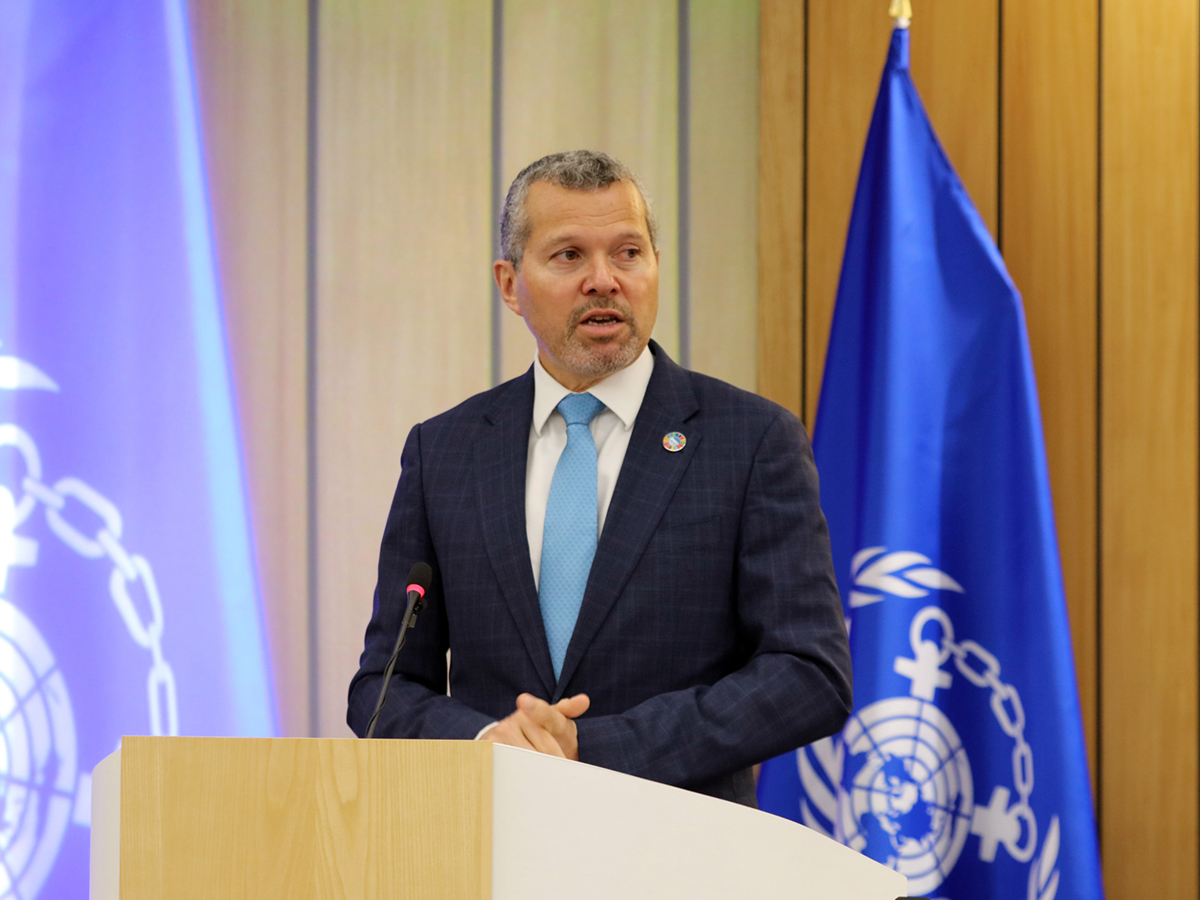
IMO secretary-general Arsenio Dominguez said the latest hijacking showed how quickly the threat was growing. “Shipping challenges are on the rise with the recent increase of piracy incidents in the Gulf of Aden,” he said, adding that the sixth vessel was now being held in waters becoming too dangerous for seafarers.
With dozens of crew members already in captivity, Dominguez warned that conditions aboard the seized ships were becoming increasingly concerning. “More than 90 innocent seafarers are now being held captive, their lives subject to constant uncertainty and threat, often with limited access to adequate food, fresh water, medical support and other essential services,” he said.
The consequences also extend far beyond the ships themselves, with families left ashore waiting for information that is often scarce and difficult to verify. “Behind each of them is a family enduring an unimaginable ordeal, with limited reliable information about their loved ones’ well-being,” Dominguez said.
He therefore demanded the immediate and unconditional release of every captive. “No seafarer should face violence, intimidation or exploitation simply for doing their jobs and keeping global trade moving,” he said.
The Seamull hijacking came only three days after armed pirates seized the Cameroon-flagged cargo ship Lutuf close to Somalia’s Puntland coast. Eight attackers took control of the vessel, which had a ten-member crew, and steered it towards the Somali coast.
Although piracy in the area had remained comparatively subdued for more than a decade, following international naval deployments and tighter security measures aboard merchant ships, six commercial vessels have now been seized since April. A further series of suspicious approaches and attempted boardings has been recorded across the Gulf of Aden and western Indian Ocean.
The renewed threat is also unfolding while international attention and naval resources are divided between several maritime flashpoints, including the Red Sea and the Strait of Hormuz. Dominguez warned that this must not allow piracy to regain a foothold.
“The deteriorating maritime security situation in the region demands urgent attention,” he said. “While international focus has been drawn to other areas of heightened tension, we cannot allow the resurgence of piracy in the Gulf of Aden and surrounding waters to go unaddressed.”
Responsibility, however, does not rest with naval forces alone. Dominguez also called on flag and coastal states to ensure ships are adequately prepared to manage security risks and that crews are not exposed to avoidable dangers.
This includes applying the industry’s best management practices and following the relevant IMO guidance, covering risk assessments, voyage planning and the action crews should take during attempted boardings and attacks.
Alongside those vessel-level measures, the IMO will continue supporting regional efforts led by coastal states through the Djibouti Code and its Jeddah Amendment, which provide a framework for cooperation against piracy, armed robbery and other crimes at sea.
At the same time, Dominguez said sustained international naval cooperation remained essential to protecting merchant shipping and the crews serving aboard it. “The international community has successfully confronted this threat before, and it must do so again,” he said.
“I will keep raising this important matter across the UN-family and engage with governments and all stakeholders to assess how IMO can best support collaborative efforts aimed at enhancing maritime security and protecting seafarers,” Dominguez concluded.





Click here to change your cookie preferences