
Greece is expected to sign agreements for its €3 billion integrated, multi-layered air and missile defence system, known as the “Achilles Shield”, in Tel Aviv on Monday.
According to reports in Greece, the agreements are scheduled to be signed on August 31 between the Greek defence ministry’s General Directorate for Defence Investments and Armaments (GDDIA) and the Israeli International Defence Cooperation Directorate (SIBAT), alongside the relevant Israeli defence bodies and companies participating in the programme.
The Achilles Shield is intended to provide Greece with an integrated network capable of countering ballistic missiles, aircraft and drones, with Israeli-made radars and missile systems forming the core of the architecture.
The programme was approved by Greece’s Government Council for Foreign Affairs and Defence (KYSEA) on July 23.
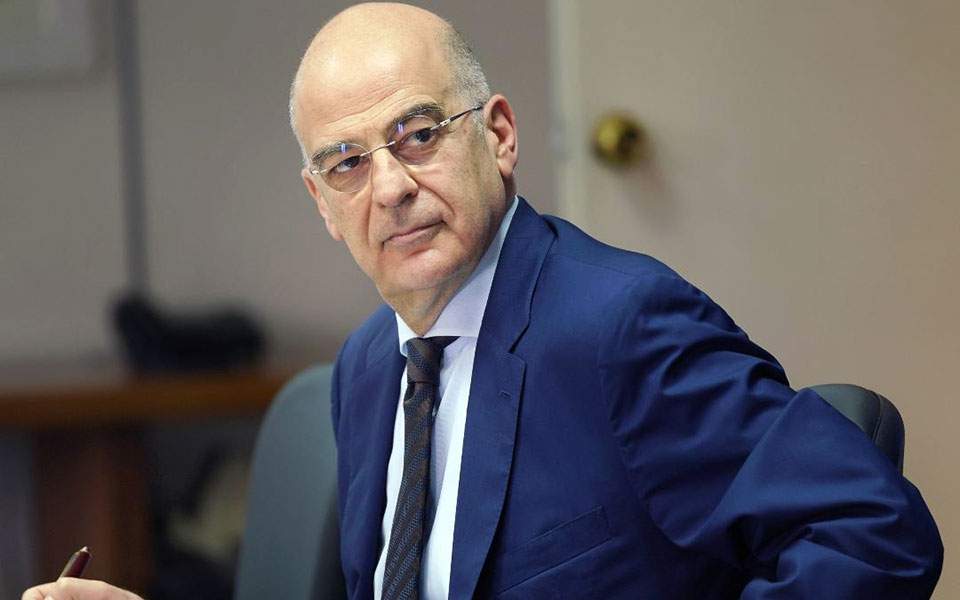
Speaking following the approval, Greek Defence Minister Nikos Dendias said spending on the air defence systems would amount to just over €3 billion.
He said the Achilles Shield would become fully operational within 35 months, with the system being delivered progressively rather than becoming operational in a single phase.
Previous reports have identified Rafael’s Spyder and David’s Sling systems and Israel Aerospace Industries’ Barak MX as components of the planned multi-layered network. At least 25 per cent of the programme is expected to involve production by Greek companies.
Cyprus has been strengthening its own air defences with Israeli systems, while cooperation with Greece has become increasingly visible.
During the regional crisis in March, Athens deployed F-16 fighters and two frigates to Cyprus, including one equipped with the Greek-made Kentavros anti-drone system, to bolster the island’s defences.
Cyprus already operates Israel’s Barak MX system and has approved the acquisition of four Greek-made Kentavros counter-drone systems. Hellenic Aerospace Industry has integrated Kentavros with Barak MX into a multi-layered architecture which its chief, Alexandros Diakopoulos, described in an April interview with the Cyprus Mail as a “Shield of Achilles”, saying the company viewed the security of Greece and Cyprus as part of an “indivisible strategic space”. HAI is also working with Cypriot defence companies and has identified Cyprus as a potential regional support and maintenance hub.
The Achilles Shield forms part of Greece’s wider long-term military modernisation programme, under which Athens plans to spend around €28 billion by 2036 on new weapons and defence capabilities, including F-35 fighter aircraft, frigates, submarines and unmanned systems.




Click here to change your cookie preferences