
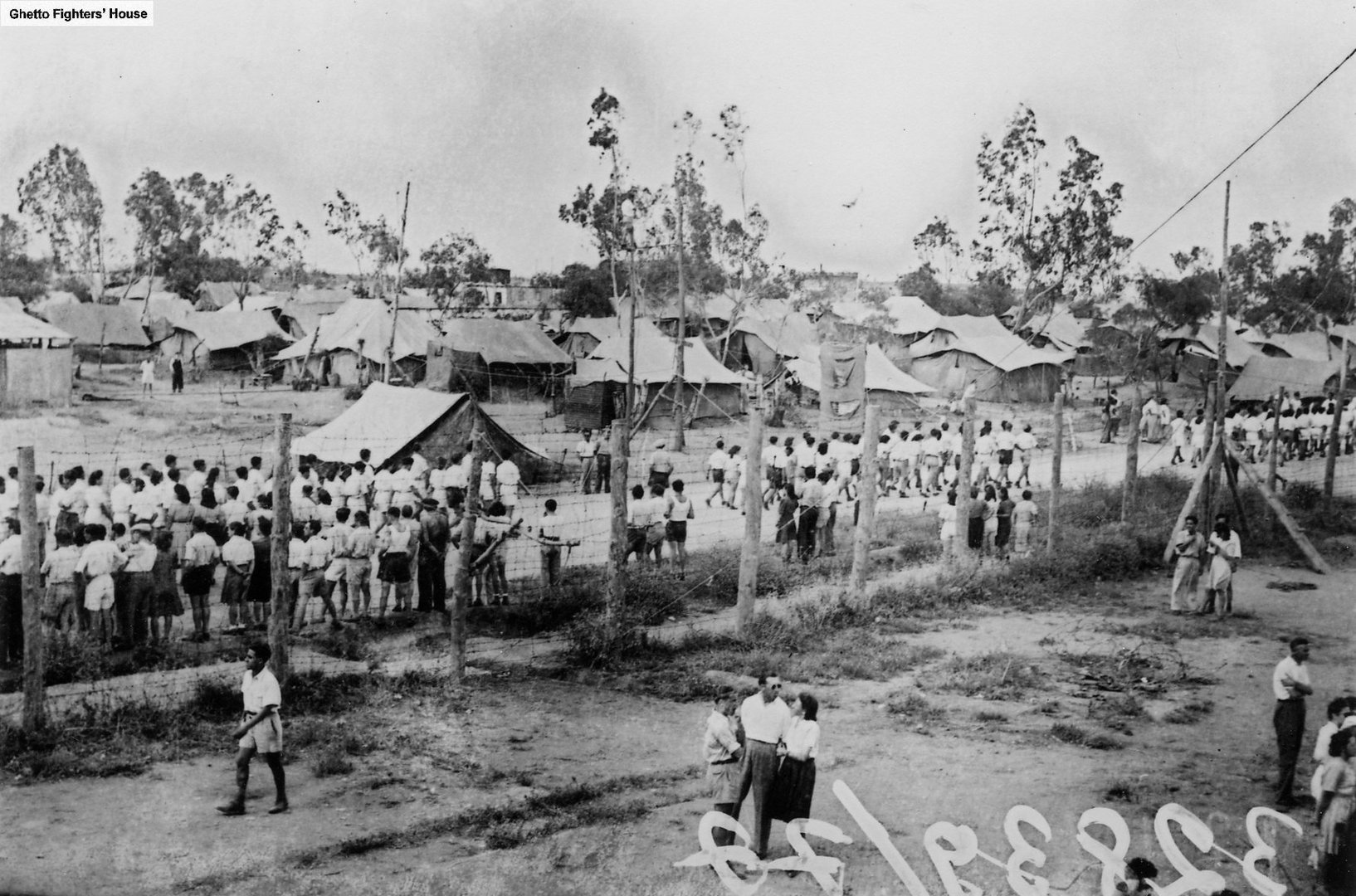
A gathering in Tel Aviv has marked 80 years since the opening of the British detention camps for Jewish refugees, bringing together former camp residents and descendants of those who were held there.
The event, organised by the Cyprus Ma’apilim (detainees) and Palmach House (a musueum dedicated to the elite strike unit of the IDF’s precursors, the Haganah), featured music, personal accounts and an exhibition of photographs and historical objects from the camps.
Individuals born in the camps attended alongside descendants of Jewish refugees who grew up recalling their parents’ accounts of their time in Cyprus.
Cyprus’ ambassador to Israel Kornelios Korneliou addressed the event and praised the organisation’s work in preserving the history and testimonies of those who passed through the camps.
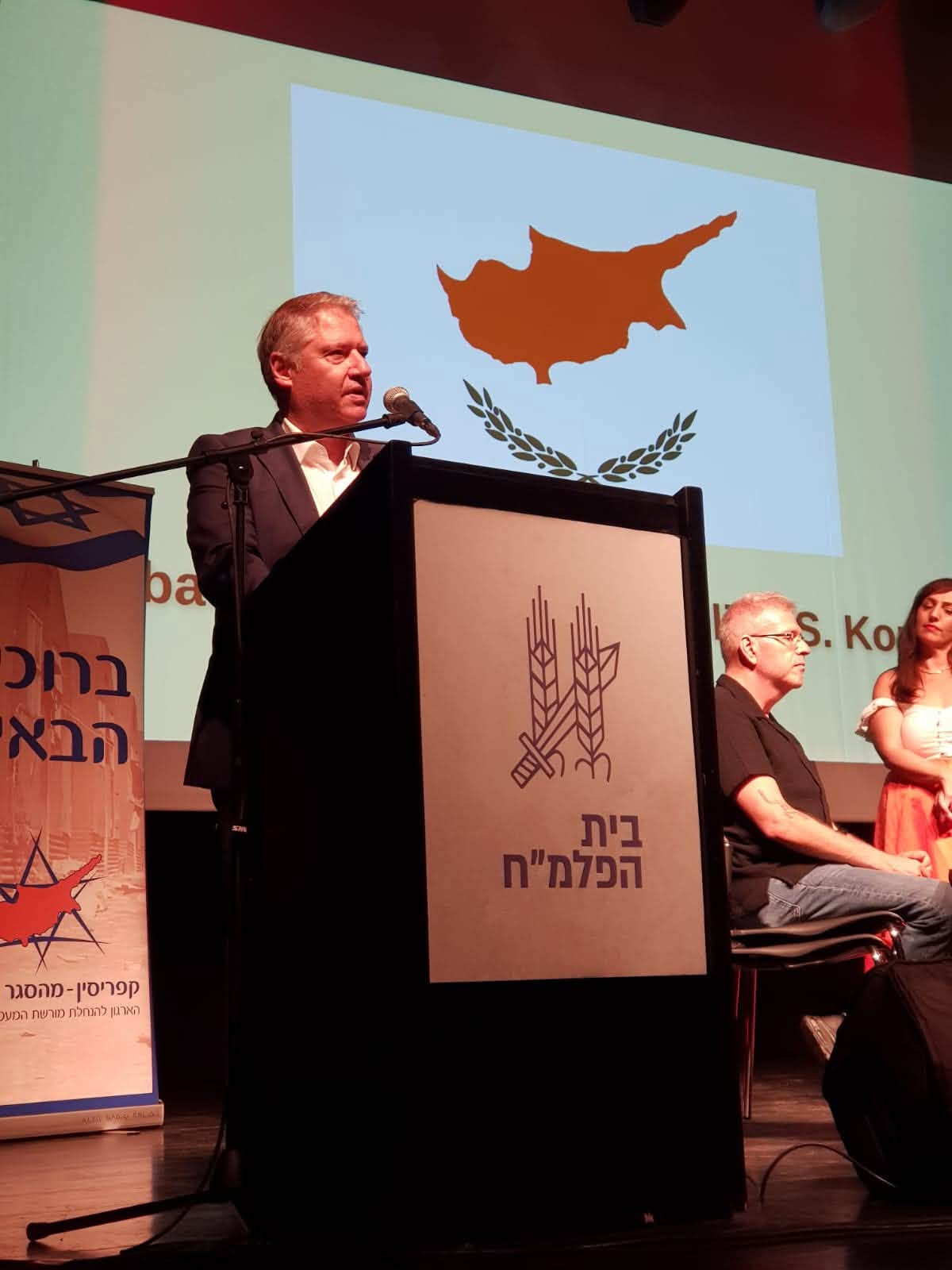
He was also recognised for the contribution of the Cypriot embassy to that work.
Christakis Papavasiliou spoke about his father, Prodromos Papavasiliou, a Cypriot humanitarian who helped thousands of Jewish refugees during the period.
An exhibition of photographs and historical objects from the camps will remain open for one year.
The British established the camps in Cyprus in August 1946 to detain Jewish refugees attempting to reach Mandatory Palestine in breach of British immigration restrictions.
Twelve camps operated until 1949 and held more than 53,000 people in total.
Most of those detained were Holocaust survivors, many of whom had travelled from refugee camps in Europe following the defeat of Nazi Germany.
The camps also held more than 6,000 orphans, while some 2,000 children were born during the period.
At their peak, nine camps operated at two sites, those being Caraolos near Famagusta and Dhekelia.
The detainees were gradually released and transported to Palestine and, after the State of Israel was declared in May 1948, the final group left Cyprus in February 1949.



Click here to change your cookie preferences