
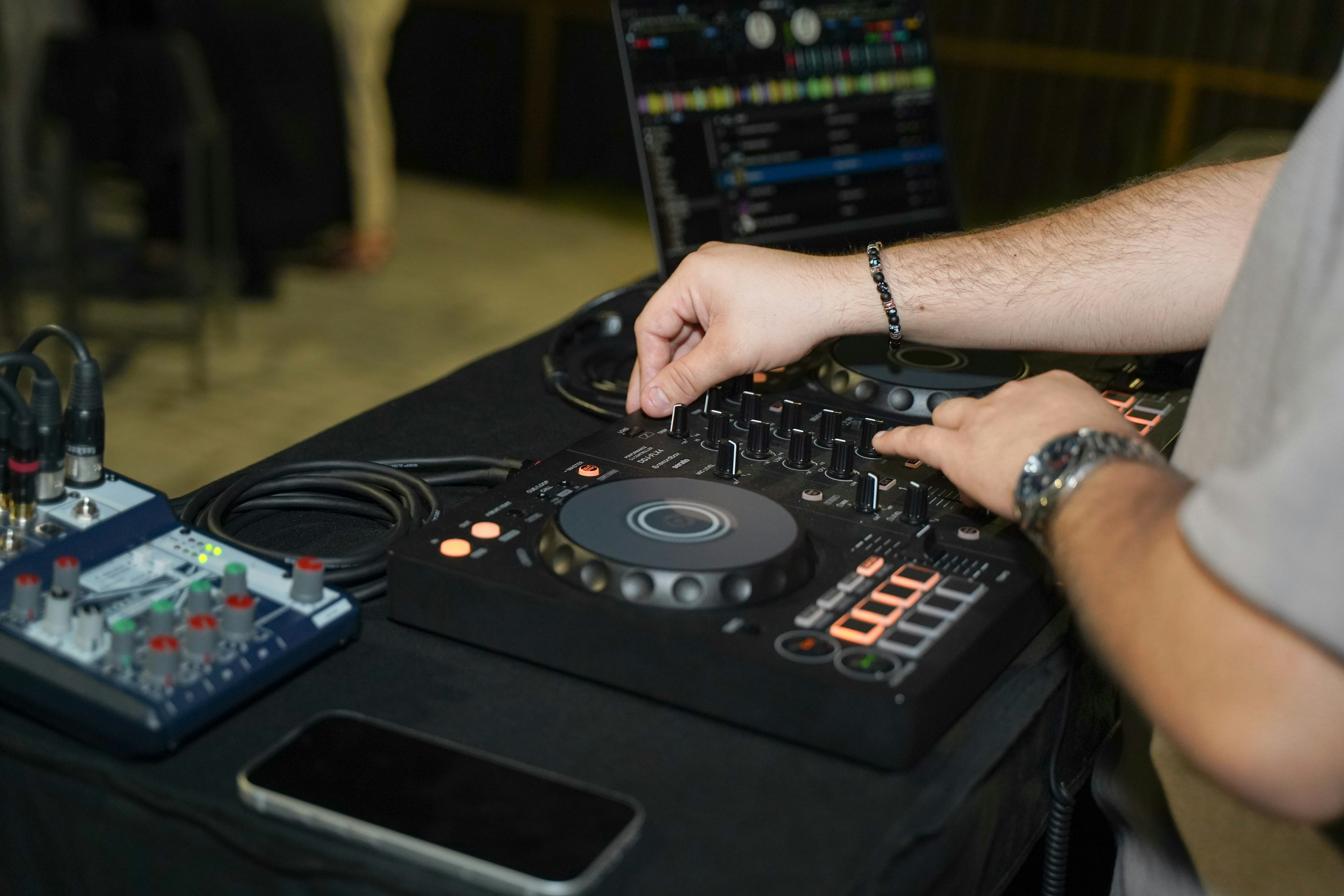
Learning to DJ in the modern world has never been easier because of the access to so many tools and learning materials. Modern DJ software provides automatic functions that reduce the time it takes to create the first mix. Plus there are thousands of tutorials that explain every step in detail.
One of the techniques often used by DJs is called beatmatching. However, there are two types of this technique: manual and automatic. So, which one should you choose first, especially as a beginner?
The answer depends on your goals, practice time that you can dedicate, and the type of equipment that you plan to use. You can learn more on Betmatch in this article, as we explain in detail these techniques and compare them.
What is Beatmatching and why is it still relevant?
Beatmatching means that you match the tempo of two tracks by ear with pitch controls until their beats line up. You listen carefully, adjust the tempo, and make small corrections until the transition sounds natural. Such a method requires attention because every adjustment affects the rhythm.
Modern DJ software like Serato, Rekordbox, and VirtualDJ includes Sync functions and visual waveforms that automate a huge percentage of this process. You can match tempos almost instantly, while detailed waveforms show whether tracks line up correctly.
Some people believe that manual beatmatching should come first because it develops essential listening skills, while others believe that modern technology saves time and leaves more practice for music selection, transitions, phrasing, and crowd awareness. So, there’s no one opinion on whether beginners should start with one or the other.
Why learn manual Beatmatching first
Manual beatmatching has been an important skill for decades because you learn how to correct tempo differences yourself instead of relying on Sync. You also train your ear to hear small tempo differences, which helps you correct mixes even if Sync doesn’t work correctly.
These are a few reasons to still use this method, even if you’re a beginner DJ:
- Better ear training. You learn to hear small tempo differences instead of depending on indicators on the screen. So, the software may not notice something is wrong, but your ear detects the problem.
- Greater equipment adaptability. You can perform on older DJ setups that don’t include Sync or accurate waveforms.
- Stronger rhythm awareness. You understand how beats drift and how small pitch adjustments correct timing.
- Improved problem solving. You can fix tempo issues quickly if automatic functions fail or beat grids contain errors.
- Long-term skill development. You build habits that are valuable regardless of software updates or hardware changes. Moreover, your favorite tech may stop working, but you’ll still be able to fix tracks.
Manual beatmatching takes regular practice because tempo adjustments require accuracy. Every practice session improves your ability to hear timing errors and correct them without Sync or visual waveforms.
The approach has drawbacks as well. For example, learning takes time, mastery requires many hours of practice, and many beginners become frustrated because early mixes often sound uneven until their listening develops.
The case for self-learning with modern DJ technology
As mentioned, modern DJ software has changed the way beginners learn because automatic functions remove one of the hardest early obstacles. You can complete simple mixes much sooner and spend more time on other important DJ skills instead of spending every practice session on tempo adjustments.
Here’s why you may want to start using automatic beatmatching tools:
- Faster first mixes. You can create complete transitions much sooner with Sync and visual waveforms.
- More time for music selection. You can study track compatibility, phrasing, and energy changes instead of constant tempo correction.
- Simpler transition practice. You can improve EQ adjustments, cue points, and timing without constant tempo problems.
- Useful preparation for modern clubs. Many current DJ setups include advanced software functions that simplify basic beat alignment.For a local example of the kind of live electronic-music setting beginners may eventually encounter, DJ Bliss performing in Limassol shows how technical mixing is paired with crowd energy in a real club environment.
Overall, you have high-quality tracks faster, so it’s like a reward for many beginners. There’s no frustration that influences people to drop their hobby or professional plans simply because they can’t create something not irritating.
Technology reduces the time that beginners spend on manual tempo correction during early practice sessions. You can practice complete DJ sets much earlier, which creates valuable repetition with playlists, transitions, and performance flow instead of only tempo correction.
Still, dependence on Sync also creates disadvantages, especially for beginners. Software can contain inaccurate beat grids, and you won’t be able to detect the problem if you don’t have the skills. Moreover, unfamiliar equipment may not have identical functions, so complete dependence on automatic beatmatching makes manual correction much harder when technology can’t solve the problem or isn’t available.
Which learning path is best for beginner DJs?
Manual beatmatching requires more time before your first successful mix, but it develops listening skills that will be valuable throughout your DJ career. Self-learning combined with modern software reduces that learning time and leaves more practice for transitions, phrasing, playlist preparation, and performance control.
Manual practice also prepares you for different DJ setups because you don’t depend on the same software functions every time you perform. Automatic beatmatching is amazing when you have top modern equipment, yet unexpected situations still appear when beat grids contain errors or Sync can’t match unusual tracks correctly.
It’s also worth mentioning creative freedom, which is possible and develops only through a combination of these methods. You can use Sync during long practice sessions to improve transitions, then switch it off regularly to improve your ear and manual tempo control. Such a balance develops useful habits without unnecessary frustration.
Simply put, the best approach is moderation. It’s a great idea to combine manual and automatic beatmatching, but you still have to develop personal skills. You can’t rely on software alone, as it may not be as accurate, especially considering that most of the tools use AI systems that are known for making mistakes.
However, complete disregard of modern software may lead to you losing time, not getting decent tracks when you already want progress, and subsequently, losing your passion and stopping altogether.
To conclude, manual beatmatching and self-learning with modern DJ software each have valuable advantages for beginners and professionals. Manual practice develops rhythm awareness, listening skills, and adaptability, while automatic functions shorten the learning process and create more time for music selection, transitions, and playlist preparation.
You don’t have to reject modern technology to become a capable DJ. Use Sync and visual waveforms during regular practice, but spend time on manual beatmatching as your skills improve.
DISCLAIMER – “Views Expressed Disclaimer – The information provided in this content is intended for general informational purposes only and should not be considered financial, investment, legal, tax, or health advice, nor relied upon as a substitute for professional guidance tailored to your personal circumstances. The opinions expressed are solely those of the author and do not necessarily represent the views of any other individual, organization, agency, employer, or company, including NEO CYMED PUBLISHING LIMITED (operating under the name Cyprus-Mail).



Click here to change your cookie preferences