
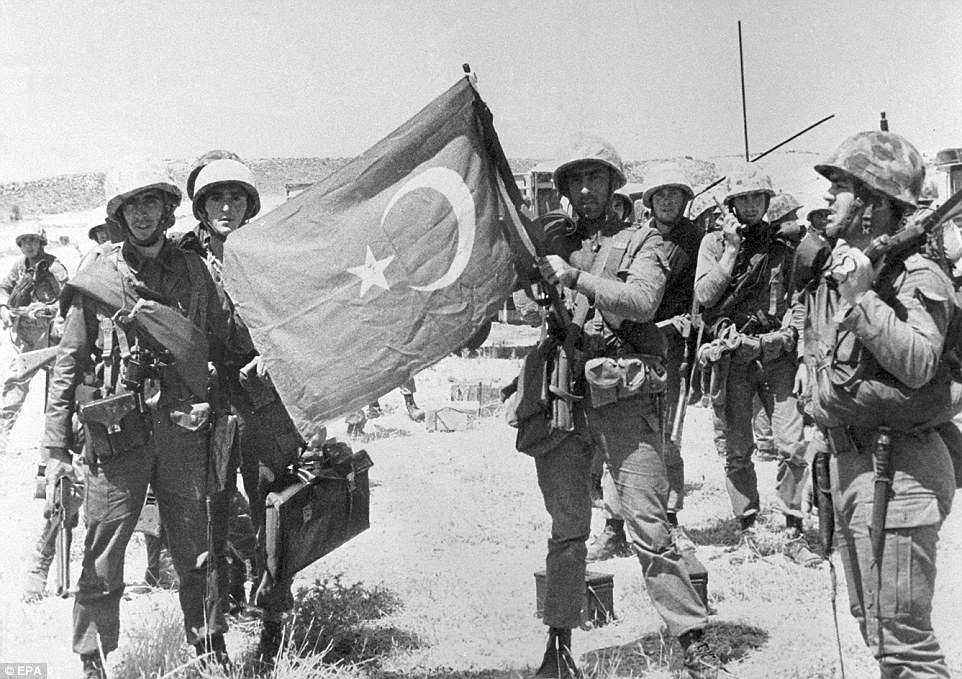
A register of those who suffered sexual abuse during the Turkish invasion in 1974 is urgently needed to ensure elderly survivors receive financial and psychological support, prisoners of war association chief Vasos Christou said on Wednesday.
Speaking on Alpha TV, Christou informed that he was holding a letter from a former prisoner of war detailing “every tragic detail” of sexual abuse he said he suffered while in captivity.
The individual had confided the letter to Christou with instructions for it to be made public after his death due to the fear of being stigmatised.
In said letter, the former prisoner described the stigma he faced after returning from captivity.
“Many accuse us of being scoundrels, that we raised our hands up to be captured and come after 50 years to ask for benefits from the state”, the letter read.
He also said he had raised with Deputy Social Welfare Minister Tina Pavlou the case of another man who was raped by Turkish soldiers when he was but a young boy during the war.
Christou said he had asked Pavlou to “let him have the benefits that we POWs have,”
He said many potential beneficiaries were now over 70 and could die without receiving assistance.
“The state has a duty to make us live as people with psychological and physical problems,” he said.
Christou had told the House refugee committee yesterday that a former prisoner of war disclosed to his wife shortly before his death that he had been raped during captivity.
The couple had been married for decades and had four children, but he had never previously spoken about the experience.
Christou said he learned more about the case from the man’s wife in 2018, four years after his death.
She informed Christou that she had decided to share his testimony in an effort to “put her husband’s soul to rest”.
Pavlou told MPs on Tuesday that creating a register of both men and women who suffered sexual abuse during the invasion had been made a priority.
She said the state had failed to provide adequate mental health support over the years, while stressing that any process would have to ensure discretion and confidentiality.
“It is never too late when it comes to mental health,” Pavlou said, warning that trauma left untreated for more than five decades could become deeply entrenched and affect families across generations.
Christou said the register was needed as survivors required support while they were still alive.
He concluded however that “no amount of aid or medicine can heal such wounds”.



Click here to change your cookie preferences