
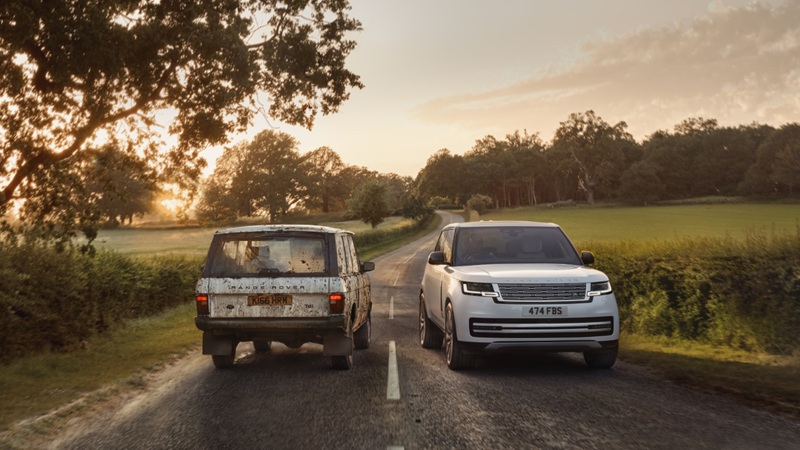
One of the most significant chapters in the history of the Range Rover begins with the unveiling of its first all-electric model. More than half a century after the birth of the original luxury SUV, the British brand is entering the electric era, whilst striving to preserve the elements that made the Range Rover what it is. Luxury, comfort and genuine off-road capability remain at the heart of its philosophy.
The Range Rover Electric is powered by two electric motors, each with an output of 260 kW, delivering a combined 550 PS and 850 Nm of torque. In fact, this is the Range Rover with the highest torque to date, whilst it accelerates from 0–60 mph in just 4.3 seconds. However, the big challenge, of course, lies in the range. The new double-stack lithium-ion battery has a usable capacity of 118.5 kWh and consists of 344 prismatic cells. The official range is approximately 598 kilometres (WLTP), whilst Range Rover estimates a real-world range of up to 535 kilometres.
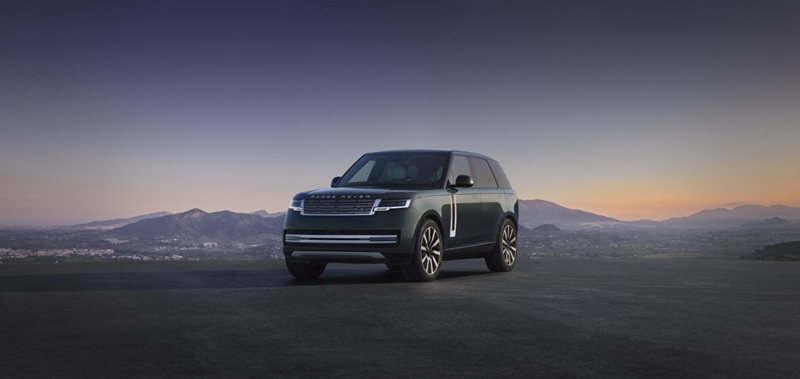
The 800-volt architecture also enables particularly fast charging. Using a suitable 350 kW DC fast charger, charging from 10 per cent to 80 per cent can be completed in around 22 minutes. Even more impressive is that ten minutes of charging can add up to 220 kilometres of range when the car is charging at maximum power.
Meanwhile, the transition to electric propulsion has not come at the expense of the Range Rover‘s traditional capabilities. Integrated Traction Management controls the speed of the electric motors in just 50 milliseconds and can manage wheel slip up to 100 times faster than a comparable vehicle with an internal combustion engine. The new Single Pedal mode allows for controlled starts on gradients of up to 33 degrees and climbing with momentum on gradients of up to 45 degrees, whilst the car can wade through water up to 900 mm deep.
Particular emphasis was also placed on the model’s development right up until it rolled off the production line. The Range Rover Electric has been put through more than 1.5 million kilometres of testing, from -40°C in Sweden to the heat of the Dubai desert, while also undergoing over 250,000 hours of physical and digital testing. More than 300 patent applications have been filed for the new model. Production will take place at the historic Solihull plant in the UK, where the Range Rover has been built since 1970.
Orders are now open, with SE, HSE, Autobiography, SV, SV Ultra and SV Black trim levels available, as well as a specially-configured First Edition.




Click here to change your cookie preferences