
A regular inspection system for buildings, similar to that of an MOT test for cars, is being proposed as parliament examines new measures to tackle dangerous properties.
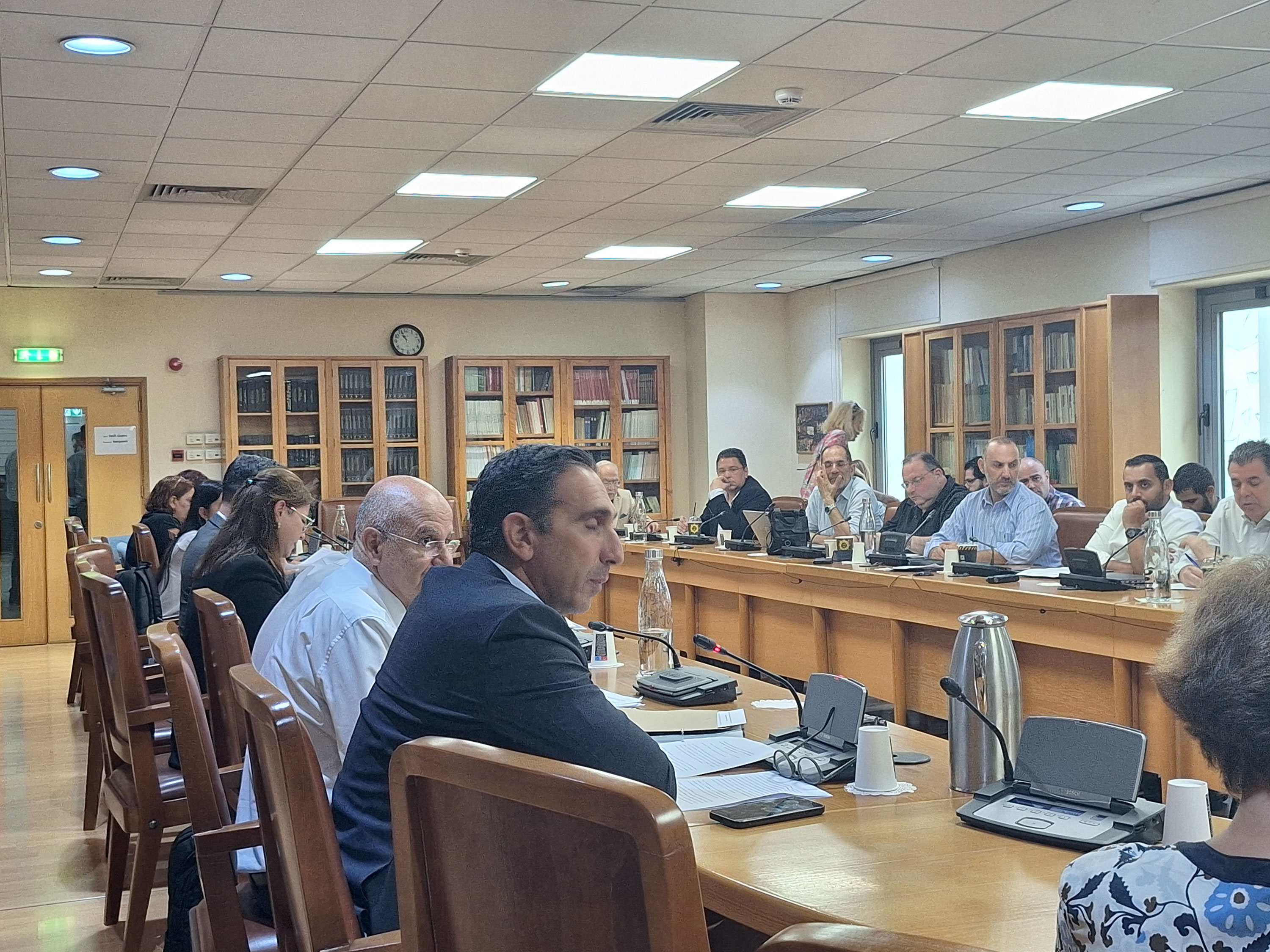
The proposal was discussed on Thursday by the House interior committee as MPs examined amendments to the roads and buildings regulation law.
The interior ministry already gave support for the legislation and some €2 million to be allocated to district local government organisations (EOAs) towards the matter.
The proposed inspection system would require buildings to undergo regular technical checks, allowing structural problems and other risks to be identified before they deteriorate.
The civil engineer’s association decried the present situation where “houses are built and never inspected”, arguing that regular inspections would improve maintenance and reduce the number of buildings that are eventually listed as dangerous.
The technical chamber, Etek, also supports regular inspections, including a proposal for buildings to be inspected every five years.
It has argued that property owners themselves should be primarily responsible for obtaining a report on the condition of their properties.
Nicosia EOA is currently handling 1,495 cases; of these, 711 have been formally classified as dangerous, 130 are being assessed for inclusion on the register and 654 remain under investigation.
Its president, Constantinos Yiorkadjis, has demanded €2 million annually in state funding for the next decade to deal with the district’s dangerous buildings.
He said the organisation was seeking powers that would allow it to enforce decisions more rapidly, including in cases that did not require the total evacuation of a building.
Yiorkadjis suggested that the deputy social welfare ministry should become involved in cases where residents must be evacuated.
The proposed bill would grant authorities a wider range of measures against owners who fail to address problems with their properties.
It would allow authorities to evacuate, repair, partially or fully demolish, as well as ban entry or rental of the property.
Owners who ignore these orders could have their water or electricity cut off, face the authorities stepping in directly, and be fined up to €40,000.
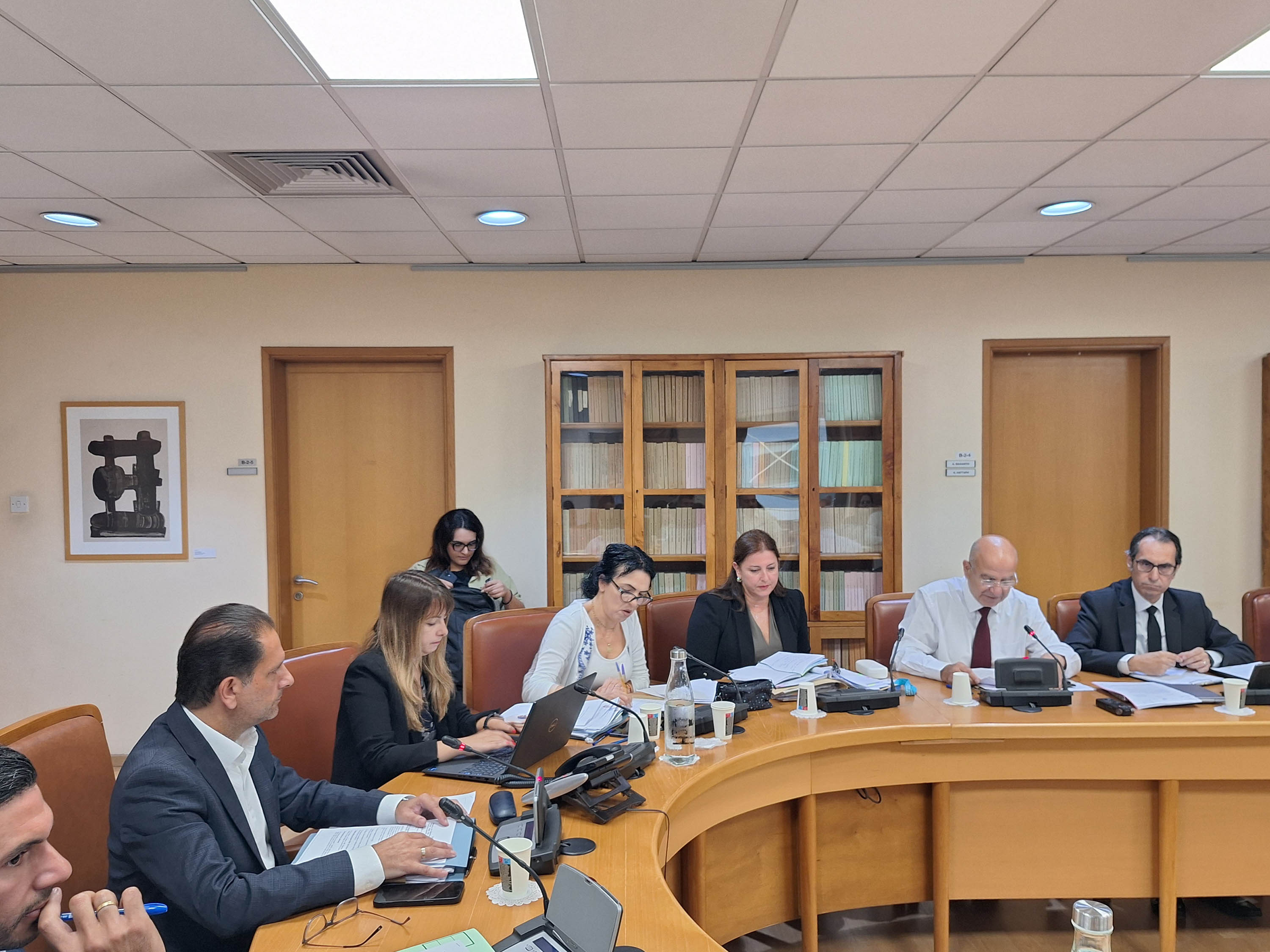
The interior ministry said the principle that owners are chiefly responsible for dealing with dangerous buildings must remain in place and that the cost should not ultimately fall on taxpayers who maintain their own properties.
Ministerial technical services director Kyriakos Kouros affirmed government support for the bill as it would ultimately “increase compliance and reduce the number of dangerous buildings that the EOA will have to intervene in”.
The ministry has allocated €2 million to the EOAs for the transitional period, while the Nicosia EOA is seeking such funds annually.
The organisation has also called on the finance ministry to set up a special fund, which would lend money to pay for urgent repair work when owners refuse to do it themselves, with the cost then charged back to them.
The EOA suggests the interest rate on these loans should be higher than normal, so that dishonest owners see it as a last resort rather than an easy option.
In the case that such an owner still does not pay, the debt would be registered against their property.
The scale of the problem varies between districts, for Larnaca EOA president Angelos Hadjicharalambous accounted some 1,087 potentially dangerous buildings had been identified in the district.
The organisation has already carried out visual inspections of 351 of them and estimated that around €7 million would be needed.
Limassol EOA said the two main difficulties were the speed at which dangerous buildings could be evacuated and the availability of funding for necessary works.
It reported that an attempt to evacuate a dangerous building in Limassol had been ongoing since May due to both the owner as well as his tenants refusal to comply and subsequent legal battles.
The proposed law is also intended to make earlier intervention possible by distinguishing between buildings that are potentially dangerous and those formally classified as such.
Interior committee chairman and Akel MP Aristos Damianou said the bill appeared to have broad support among the bodies involved, although differences remain between the government and the EOAs over certain issues.
He said the committee aimed to bring the legislation before the plenary by November at the latest.
On regular inspections, Damianou said that “as soon as it comes to the House, we will promote it as a priority”.
He also warned that legislation would be of little value if authorities were unable to enforce it.
“The fact that the EOAs indeed need tools to implement the legislation that they have very rightly undertaken, places the responsibility mainly on the government but also on parliament to ensure that the legislation that will be voted can be implemented,” he said.



Click here to change your cookie preferences