
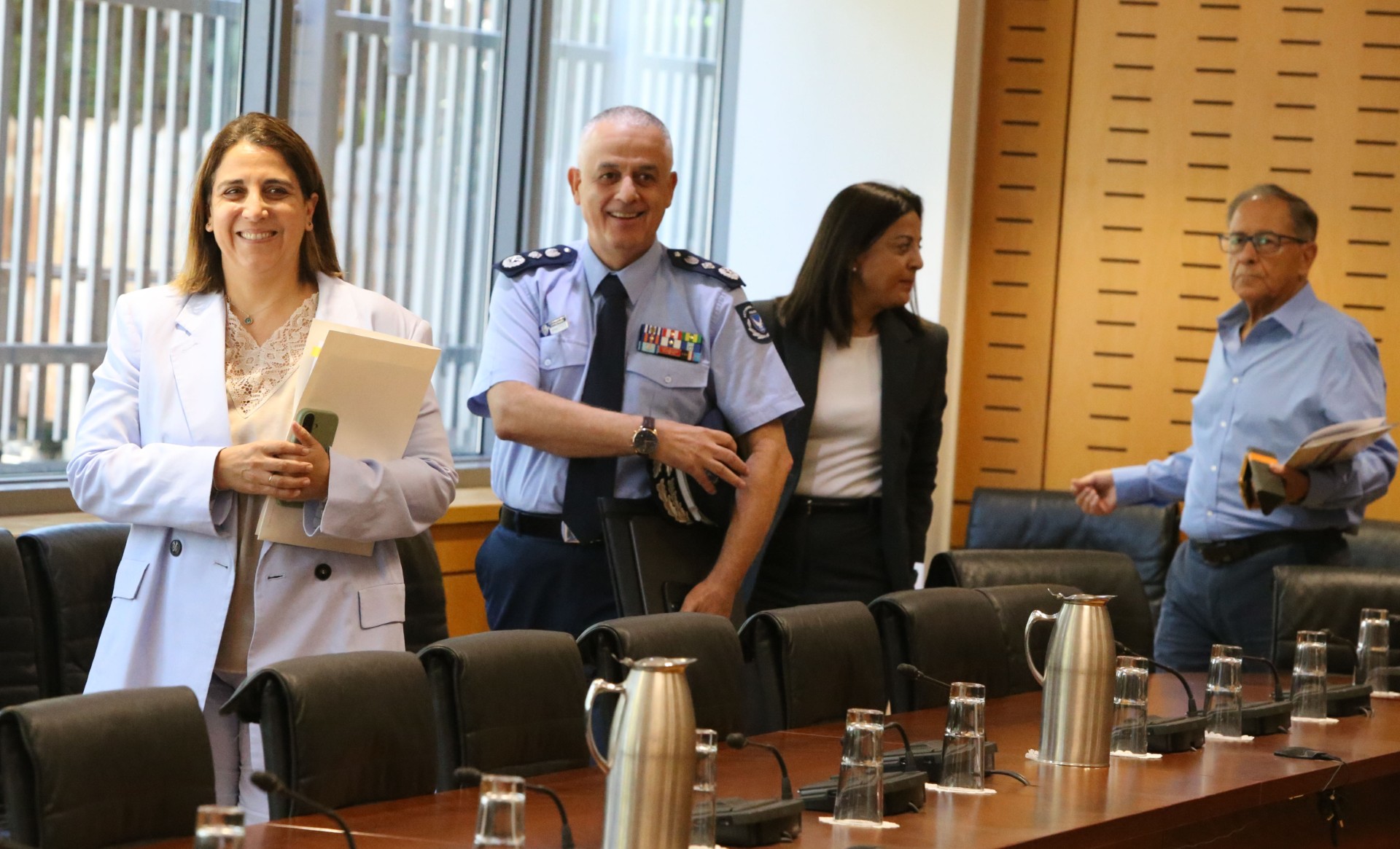
Reform of the legal service and delays in judicial proceedings came under scrutiny on Wednesday as the House institutions committee examined the European Commission’s report on the rule of law in Cyprus.
The report again called on the government to complete the reform of the legal service and establish effective control over decisions not to prosecute or discontinue prosecutions.
It also introduces a new recommendation on judicial delays and calls for measures to improve the efficiency of the courts, including plans for an independent court service.
European Commission representative Panayiotis Pourgourides said the report was intended to encourage the government to act rather than assign blame, though he remarked that progress on the legal service reform has indeed remained limited.
Pourgourides acknowledged that undertaking such reform was a “complex matter” but also “a unique opportunity” to strengthen the independence and accountability of the institution.
Deputy minister to the president Irene Piki assured implementing the commission’s recommendations remained a government priority.
She said a package of bills on the reform had been submitted to parliament last year, while legislation on control of prosecutorial decisions had also been submitted.
Amendments addressing shortcomings in recently passed legislation are being prepared and will be presented to the House in the coming months.
Judicial delays were also attributed to shortages of support staff, with chief registrar Maria Christodoulou relaying that courts were struggling to recruit office assistants and other support staff needed for hearings.
The bar association lambasted the glacial pace of judicial reform, with its vice-president Nikolas Tsardellis describing the present system as “anachronistic and outdated”.
He said delays had contributed to an 80 to 85 per cent reduction in newly registered cases.
The issue prompted concern among MPs, who questioned whether fewer cases reflected greater efficiency or whether people were in fact avoiding the courts due to the delays themselves.
Disy MP Nikoleta Constantinou called for specific and tangible targets, remarking that “we would expect that by the next report we would have a goal for the competent bodies to work on”.
Akel MP Konstantinos Konstantinou said such delays were affecting public confidence in the judiciary.
The committee further examined the anti-corruption authority, with Transparency Commissioner Haris Poyiadjis confirming some 911 complaints had been submitted by July, with around 71 per cent examined.
He said one complaint was being submitted on average every working day and that the pace of investigations was increasing following the completion of major cases.
Six additional positions are being created, increasing the authority’s staff from 16 to 22.
Representing the audit office, Akis Gikas raised concerns over access to information required for the body to carry out its work.
He said legislation should clearly define the service’s powers, citing disagreements with the central bank over access to information during recent money laundering audit.
Press freedom was likewise examined, with journalist’s union (ESK) president Giorgos Frangos stressing that progress remained insufficient.
He raised concerns over the delay in ratifying the European media freedom act and proposed changes to media self-regulation.
Journalistic ethics committee president Elli Kodjiamani said legislation alone would not be enough and called for mechanisms to support journalists and media organisations in working independently.
Police chief Themistos Arnaoutis said the report contained no negative findings concerning the police and recognised efforts to combat corruption and organised crime.
Akel MP Panikos Xiourouppas said he had expected “solutions, a plan, dates” rather than merely a presentation of findings already contained in the commission’s report.
Alma MP Irene Charalambides insisted that the separation of the attorney general’s powers form the judiciary was essential.
“We cannot discuss the rule of law as long as the powers of the attorney general are not separated,” she said.





Click here to change your cookie preferences