
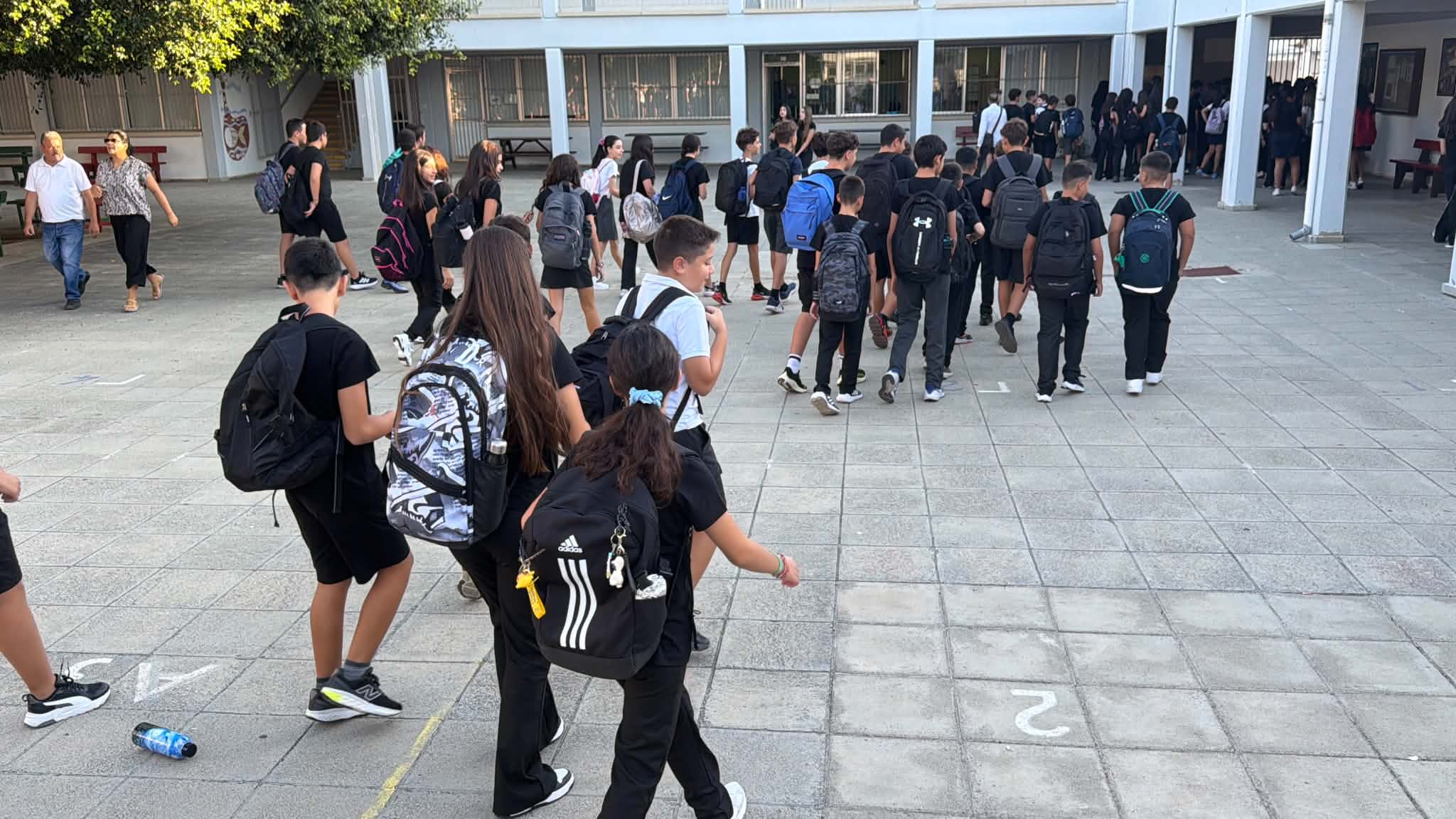
The number of educational psychologists needed for public school students seems to increase every year. The education ministry is currently in dispute with the finance ministry over how many new posts that will be included in the 2027 budget, with the former asking for 20 and the latter cutting the number by half as a compromise. Twenty was not the entire requirement but only the first instalment, as the education ministry wants to hire 60 educational psychologists over the next three years.
The educational psychology service currently employs 71 psychologists, most as permanent staff and less than 10 on limited term contracts. The hierarchy of the education ministry must be expecting growing demand for the service given the rising trend in referrals. According to a report in Politis, the referrals increased by 47 per cent in the space of five years. In the 2019-2020 period there were 7,229 referrals and in the 2023-2024 period 10,598. According to the education ministry, there is one psychologist for 1,700 students, which it does not consider adequate.
Are more children that go to public schools troubled by psychological problems and mental health issues every year or are referrals a way out for schools that do not want to deal with difficult students? Politis’ report said that in the 2023-24 period 11 per cent of referrals were related to issues of behaviour and violence. In the past, behaviour issues were dealt with by the school through disciplinary measures and punishment or consequences; parents’ involvement was also sought. Is it possible that instead of using punishment for ensuring discipline, schools just refer naughty kids to the educational psychologist?
Another 10 per cent of the referrals related to secondary school students who required help for addictive behaviour linked to alcohol, smoking, illegal substances and compulsive gambling. But are these problems the school should be dealing with or the parents? As long as the student is not engaging in their addictive behaviour at school, this is not a problem for the school to deal with but for the parents to tackle. Have parents’ responsibilities ceased to exist because a child’s problems can be referred by the school to educational psychologists?
Educational psychologists are necessary for helping children with learning difficulties such as autism and dyslexia. They are not there to deal with poorly behaved students because the school management is unwilling to impose any discipline, parents do not accept responsibility for their children’s behaviour or because we have come to regard bad behaviour as a health problem that needs psychological care.
Perhaps the education ministry mandarins should be dealing with the collapse of discipline at public schools and considering ways of bringing it back instead of seeking to hire more and more educational psychologists. Bad behaviour by children is more likely to be stopped by discipline and punishment than by therapy.




Click here to change your cookie preferences