
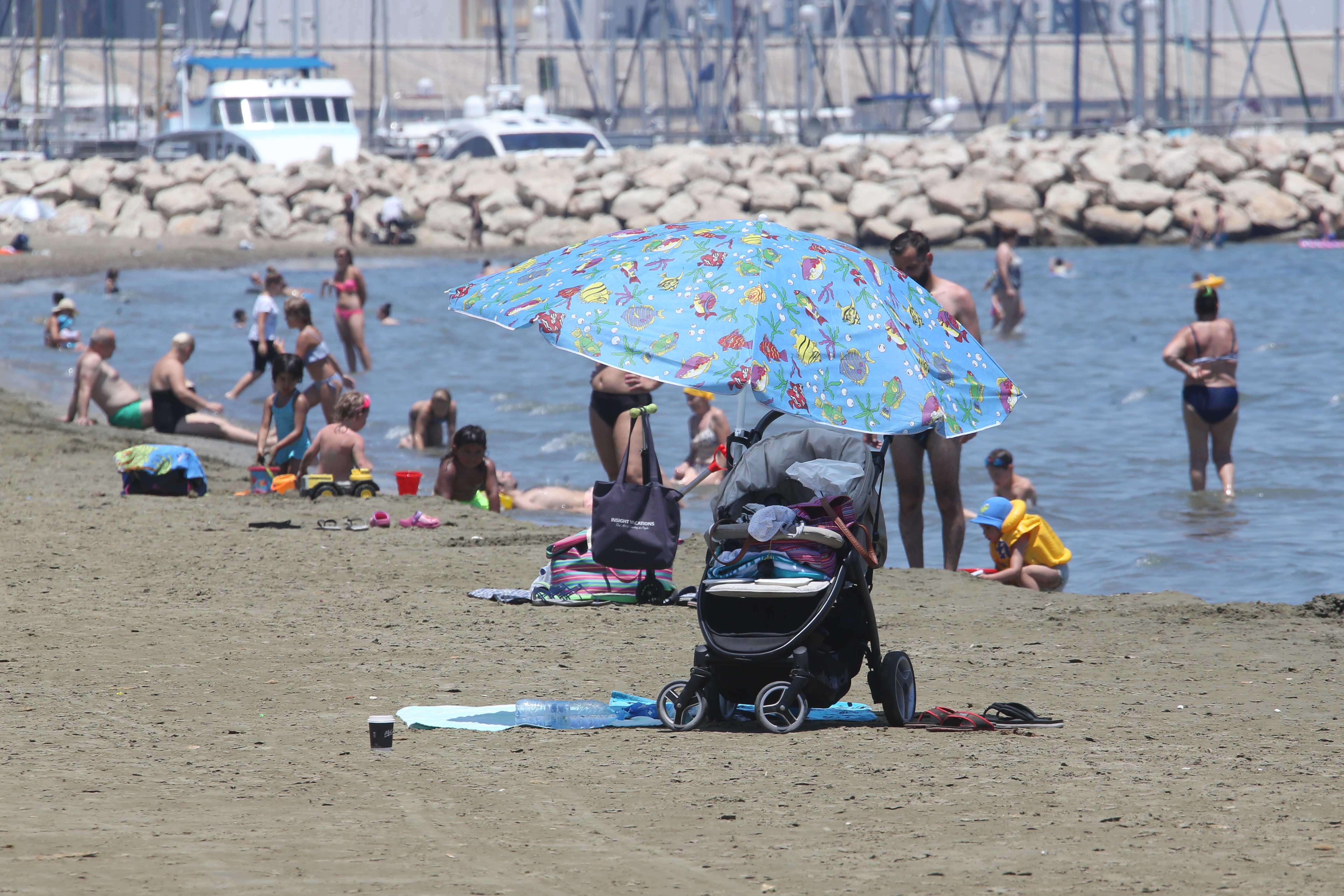
October in Cyprus is still warm enough for a beach holiday, particularly in the first half of the month: coastal daytime highs are typically around 27–29°C, while the sea remains at roughly 26–27°C and is comfortably warm enough for swimming. It is also noticeably quieter and generally cheaper than August and September, although the weather becomes less predictable as the month progresses.
For travellers who want warm sea, fewer crowds and temperatures better suited to sightseeing, October can be one of the most rewarding months to visit Cyprus. There is, however, an important difference between early and late October — and between year-round cities such as Paphos, Limassol and Larnaca and seasonal resorts such as Ayia Napa and Protaras.
Cyprus weather in October: the numbers
There is no useful single temperature for Cyprus in October.
The coast is moderated by the Mediterranean, Nicosia is warmer during the day but cooler at night, and the higher parts of the Troodos mountains can be around 8–10°C cooler than the coast.
Long-term observations from the Cyprus Department of Meteorology illustrate those differences.
| Area | Average daytime high | Average overnight low | Sea temperature* | Sunshine | Normal October rainfall | Humidity |
|---|---|---|---|---|---|---|
| Paphos | 27°C | 16–17°C | 26–27°C | 8–9 hrs | around 31mm | 60–70% |
| Limassol | 27–28°C | 17–18°C | 26–27°C | 8–9 hrs | around 25mm | 60–70% |
| Larnaca | 28°C | 17°C | 26–27°C | 8–9 hrs | around 19mm | 60–70% |
| Ayia Napa / southeast | 27–28°C | 18–19°C | 26–27°C | 8–9 hrs | around 20–25mm | 60–70% |
| Nicosia | 29°C | 16°C | — | 8–9 hrs | around 22mm | Lower by day |
| Troodos / Prodromos | 19–21°C | 10–11°C | — | 7–8 hrs | around 45–50mm | Variable |
*Sea temperatures vary according to location, weather conditions and year. Ayia Napa figures are representative of the southeast coast rather than a separate long-term Department of Meteorology station series.
These are climate averages, not a forecast. An October holiday can contain a run of cloudless 30°C days, while another year can bring thunderstorms and a noticeable drop in temperature.
The regional difference matters. Nicosia can still approach or exceed 30°C during the day, whereas a trip into the higher Troodos mountains may require a jacket.
Rain also becomes a genuine possibility in October. Cyprus Department of Meteorology long-term normals give around 19mm for Larnaca Airport, 22mm for Athalassa in Nicosia, 25mm for Limassol and 31mm for Paphos Airport.
That does not mean October is a wet month. Rain often arrives as showers or thunderstorms rather than days of continuous drizzle, and rainfall varies enormously from year to year.
Early October vs late October
This distinction matters more in October than it does in September.
The first half of October often still feels like an extension of summer. On the coast, afternoon temperatures frequently reach around 28–30°C, nights are mild and the sea retains almost all its summer warmth.
By the final week, daytime temperatures are more commonly around 24–27°C on the coast. Evenings are cooler, daylight is shorter and the likelihood of showers or thunderstorms increases.
The sea changes much more slowly than the air. Even at the end of October, water temperatures can remain around 25–26°C.
For someone primarily interested in swimming and sunbathing, October 1–15 is therefore a safer choice than October 20–31. Travellers more interested in walking, cycling, archaeological sites and exploring towns may actually prefer the second half.
Can you swim in Cyprus in October?
Yes. For most people, comfortably.
The sea around Cyprus is typically around 26–27°C at the beginning of October, gradually dropping towards approximately 25–26°C later in the month.
That is considerably warmer than the sea around Britain even at the height of a typical UK summer. It is also around the temperature maintained by many recreational swimming pools.
The reason is that the Mediterranean loses its accumulated summer heat slowly. September is around the peak for sea temperature in Cyprus, but there is no sudden cooling when October arrives.
Swimming, snorkelling and other water activities therefore remain entirely realistic throughout October.
What changes first is usually the air temperature after you get out of the water, particularly on a breezy late-October afternoon.
See our guide to the best beaches in Cyprus for places to swim around the island.
What to pack for Cyprus in October
October requires a little more flexibility than September.
Bring swimwear, shorts, T-shirts and other light summer clothing, particularly if travelling during the first half of the month. Sun protection, sunglasses and a hat are still important: the fact that temperatures have fallen does not mean the Mediterranean sun has become harmless.
Also bring a light jumper, cardigan or jacket for evenings.
A lightweight waterproof jacket becomes worthwhile later in the month, when showers and thunderstorms are more likely.
If you are heading into the Troodos mountains, pack proper walking shoes and warmer clothing. Temperatures at altitude are substantially lower than on the coast, particularly after sunset.
Crowds and prices in October
October is when Cyprus moves properly away from the peak summer season.
Beaches are considerably less congested than in August, restaurant reservations are generally easier and major archaeological attractions can be much more pleasant to visit without both peak crowds and extreme heat.
Accommodation prices also fall.
There is no universal percentage because hotel rates vary enormously according to resort, property, booking date and the timing of school holidays. But current 2026 market data provides a useful indication: one dataset based on hundreds of Cyprus hotel price scans puts the average October room rate at €76 (£65) a night, compared with €103 (£88) in August.
That represents a reduction of roughly 26 per cent.
The same dataset puts September at €92 (£79), suggesting that the meaningful price reduction occurs as Cyprus moves into October rather than immediately after August.
Those figures should be treated as an illustration rather than a guaranteed saving. October half-term can temporarily increase demand from the UK, and individual hotels may behave very differently.
Flights follow the same basic demand pattern: there can be attractive fares outside school-holiday dates, but half-term travel can be considerably more expensive.
Booking months ahead is still sensible for a particular hotel, villa or flight. But October generally gives visitors considerably more choice than August.
What’s open and what’s closed in Cyprus in October?
This depends heavily on where you stay.
Paphos, Limassol, Larnaca and Nicosia are year-round towns and cities. Restaurants, cafés, shops, museums, archaeological sites and other everyday services do not close simply because the summer tourist season is ending.
Paphos in particular retains a substantial tourism industry throughout the year.
The picture is different in Ayia Napa and Protaras.
Early October still feels like the tourist season. Hotels, restaurants, bars, boat trips, beach facilities and water sports are widely available.
As the month progresses, however, seasonal businesses begin winding down. Some hotels close for winter, individual beach bars and restaurants shut or reduce their opening hours, boat-trip schedules become less frequent and the atmosphere changes noticeably.
Protaras, which is particularly tourism-dependent, shows this seasonal change more strongly than a city such as Larnaca.
Ayia Napa also becomes much quieter, although it does not completely close. The town has a small permanent local population and year-round businesses alongside its seasonal tourism industry.
The practical rule is simple:
Early October offers most of the summer resort experience. By late October, choose Paphos, Limassol or Larnaca if having a large choice of restaurants, bars and services is important to you.
Airline schedules also change around the end of the European summer aviation season, with some seasonal routes ending or operating less frequently. Check your particular route rather than assuming that a summer charter will continue into November.
The clocks change in late October
There is another easily overlooked change.
Cyprus follows Eastern European Summer Time, and the clocks go back by one hour on the final Sunday of October.
In 2026, that falls on October 25.
Sunset consequently becomes much earlier by the clock. This matters if you are planning beach days, hikes, archaeological visits or drives through the mountains: activities that were easily completed in daylight earlier in the month may need an earlier start.
Best things to do in Cyprus in October
Go hiking
This is one of October’s biggest advantages over summer.
Temperatures become far more suitable for walking, particularly later in the month. Routes in Troodos and Akamas that can be exhausting or potentially unsafe in intense summer heat become much more comfortable.
See our guide to hiking and mountain trails in Cyprus for suggested routes.
Explore archaeological sites
October is also a much better month for places such as Kourion, the Tombs of the Kings and other exposed archaeological sites.
There is little shade at many Cyprus archaeological attractions. A site that can be punishing at 35°C becomes far easier to appreciate at 25–28°C.
Visit the wine villages
September and October coincide with an important period in Cyprus’s wine calendar, with harvest activity and festivals taking place in the wine-producing villages.
The annual Limassol Wine Festival can also extend into the beginning of October. In 2026 it runs from September 26 into early October, while other grape, wine and traditional-product festivals take place in villages during the month.
See our guide to wineries in Cyprus.
Keep swimming
October is one of the unusual periods when the air has cooled significantly but the sea has not.
That makes swimming, snorkelling and boat trips particularly attractive. You can still have a genuine beach day without necessarily enduring the 35°C-plus heat of midsummer.
Look out for village festivals
October is an active month for traditional food and agricultural festivals. Events vary from year to year but commonly celebrate grapes, wine, palouze, zivania, apples, olives and other local produce.
Check dates before travelling rather than assuming an annual festival will take place on the same weekend each year.
Our guide to local holidays and traditions in Cyprus provides more information on the island’s calendar.
Is October a good time to visit Cyprus?
Yes — and for some types of holiday it is better than summer.
October is particularly good for couples, walkers, cyclists and travellers interested in combining beaches with sightseeing. Temperatures are lower, the sea remains warm, visitor numbers have fallen and accommodation can be substantially cheaper than in August.
It is also a strong choice for travellers who find the July and August heat uncomfortable.
There are two qualifications.
If your idea of Cyprus revolves around busy beach clubs, packed resort nightlife and every seasonal tourist business operating at full capacity, choose September or early October rather than the end of the month.
And if guaranteed sunshine is essential, October carries more weather risk than September. Rain is still far from an everyday occurrence, but showers and thunderstorms become increasingly possible.
For a broader comparison, see our guide to the best time to visit Cyprus.
Cyprus in October compared with September and November
| September | October | November | |
|---|---|---|---|
| Coastal daytime temperature | 29–32°C | 26–29°C | 22–25°C |
| Sea temperature | 28–29°C | 25–27°C | 22–24°C |
| Rain | Uncommon | Increasing | More likely |
| Crowds | Busy | Moderate | Low |
| Prices | Below August peak | Generally lower | Generally lower again |
| Seasonal resorts | Fully open | Start winding down | Many seasonal businesses closed |
| Swimming | Excellent | Very good | Possible, but cooler |
| Hiking | Often still hot | Excellent | Excellent |
| Best for | Beach holidays | Beach + exploring | Sightseeing, walking |
September is the better choice if your priority is guaranteed summer conditions.
October is arguably the better all-round month if you want to combine swimming with sightseeing, hiking and driving around the island.
November is quieter and cooler again, with a greater chance of unsettled weather and a much more noticeable reduction in seasonal tourism businesses.
Frequently asked questions
Is Cyprus still hot in October?
Yes. Coastal daytime temperatures typically reach around 27–29°C early in the month and around the mid-20s later in October. Nicosia can be warmer during the day. It is considerably cooler than July and August, but October in Cyprus is still warm by northern European standards.
Can you sunbathe in Cyprus in October?
Yes. There are usually plenty of sunny days suitable for sunbathing, particularly during the first half of October. The sun remains strong, so sunscreen is still necessary. Later in the month there is a greater chance of cloud, showers and cooler days.
Is the sea warm in Cyprus in October?
Yes. Sea temperatures are typically around 26–27°C early in October and remain around 25–26°C towards the end of the month. For most visitors, that is comfortably warm enough for swimming, snorkelling and spending extended periods in the water.
Does it rain much in Cyprus in October?
October marks the beginning of a noticeable increase in rainfall, but it is not normally a washout. Long-term normal rainfall ranges from around 19mm in Larnaca to 31mm in Paphos, with more in the mountains. Rain often comes in short, heavy showers or thunderstorms.
Is October a good time to visit Cyprus?
Yes. October is particularly good for travellers who want warm weather and sea temperatures without midsummer heat and crowds. It is also much better suited to hiking and sightseeing. Early October is preferable if a traditional beach holiday is the main priority.
Are the resorts still open in Cyprus in October?
Yes, but there are regional differences. Paphos, Limassol and Larnaca operate year-round. Ayia Napa and Protaras remain busy early in October but become noticeably quieter later in the month as seasonal hotels, restaurants, bars and tourist services begin closing for winter.
What is the weather like in Cyprus at the end of October?
Late October is generally warm during the day but cooler in the evening, with coastal highs commonly around 24–27°C. The sea remains warm enough for swimming, but rain becomes more likely. It is excellent weather for sightseeing and walking, although beach conditions are less guaranteed than earlier in the month.
For further planning, see our Cyprus travel guide.




Click here to change your cookie preferences