
Cyprus aims to connect European and regional markets through technology and trade
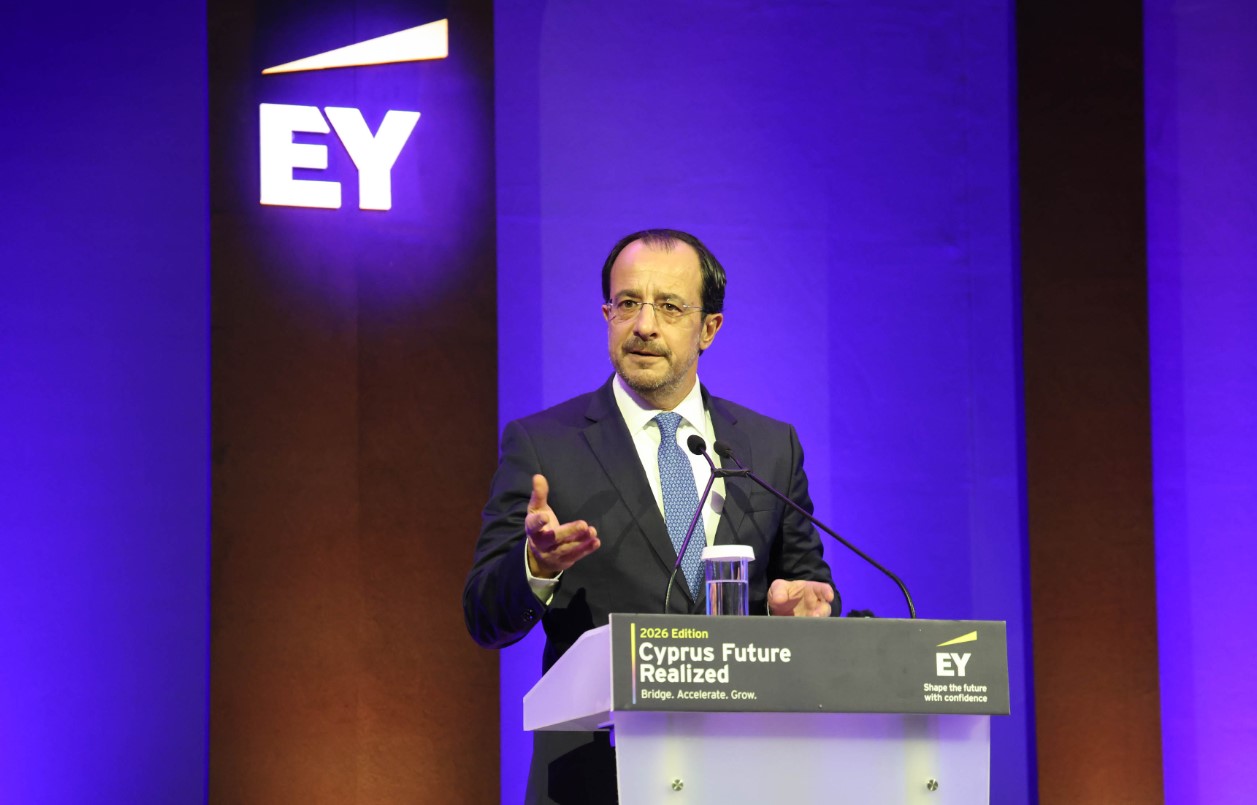
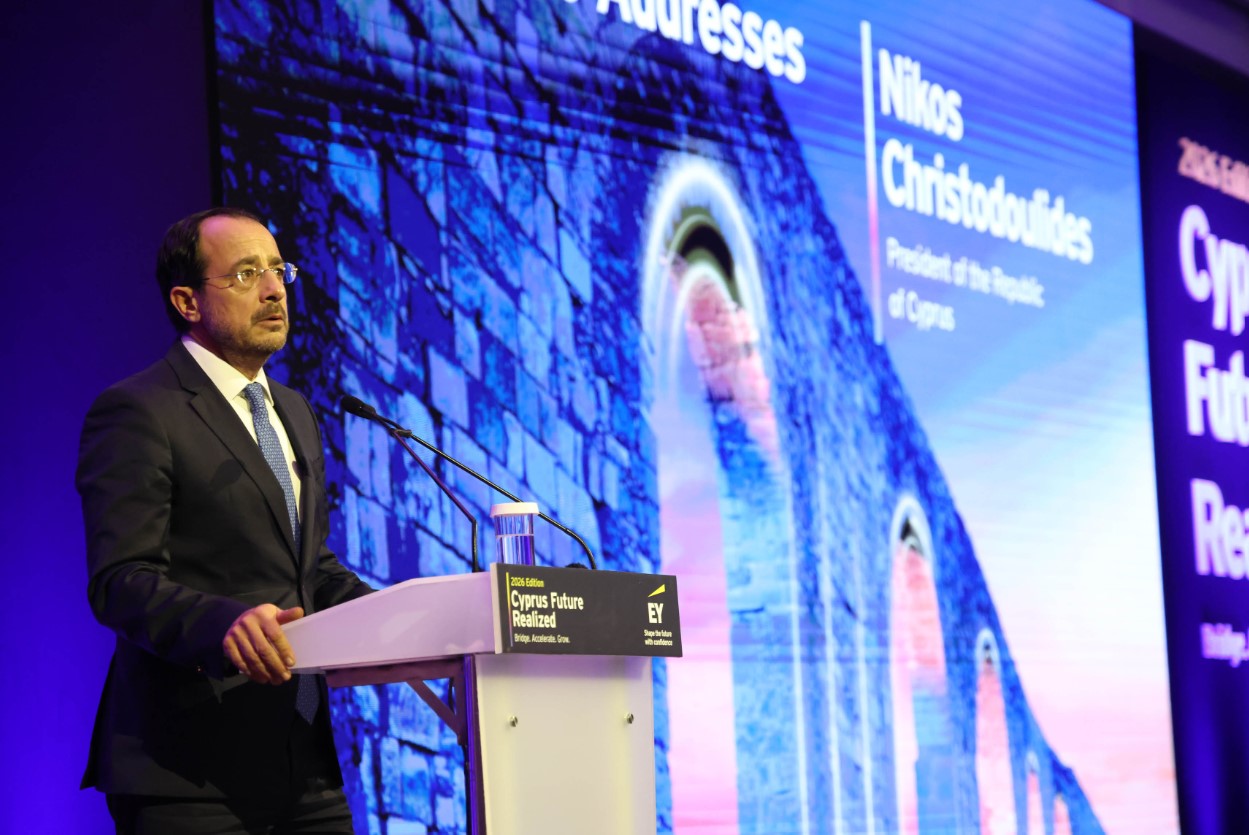
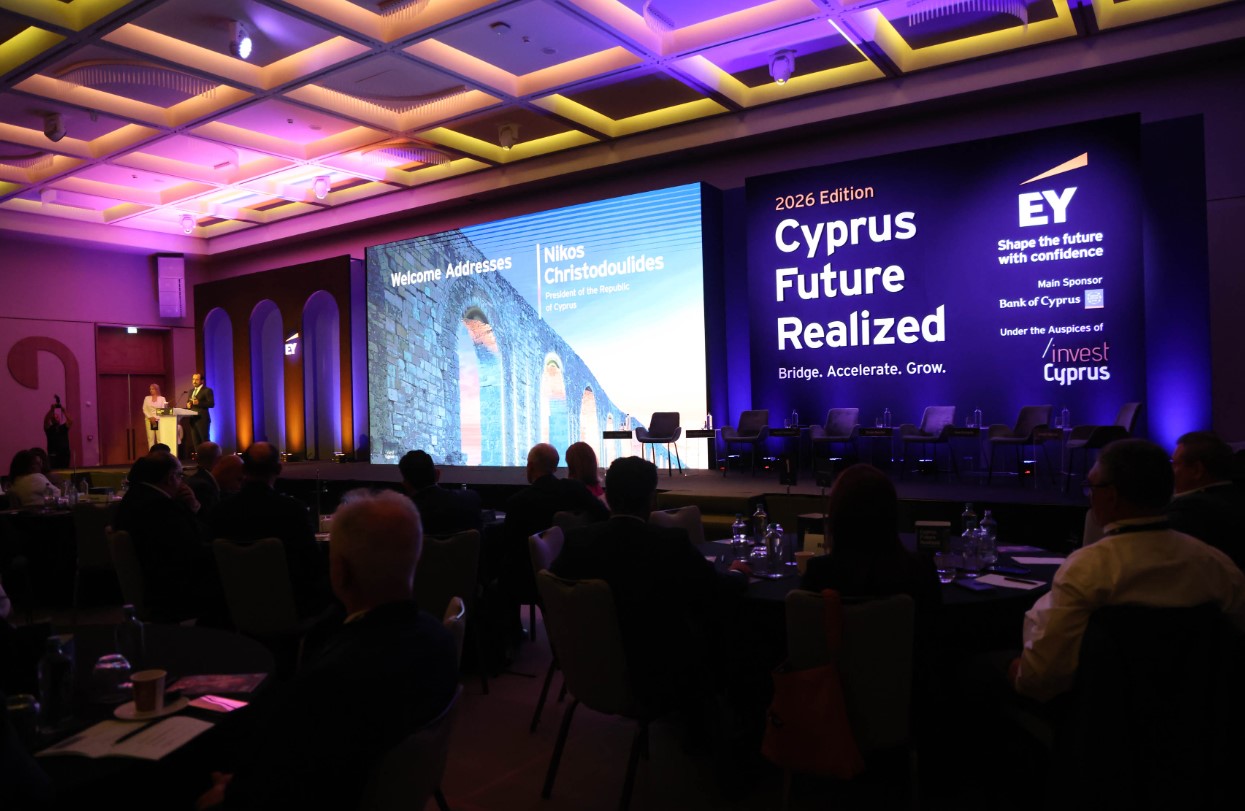
The value of substantive foreign direct investment (FDI) in Cyprus rose by around 10 per cent in 2025, compared with the previous year, President Nikos Christodoulides said on Wednesday, as he outlined the government’s ambition to establish the country as a European and regional hub for investment, technology, energy, transport and trade.
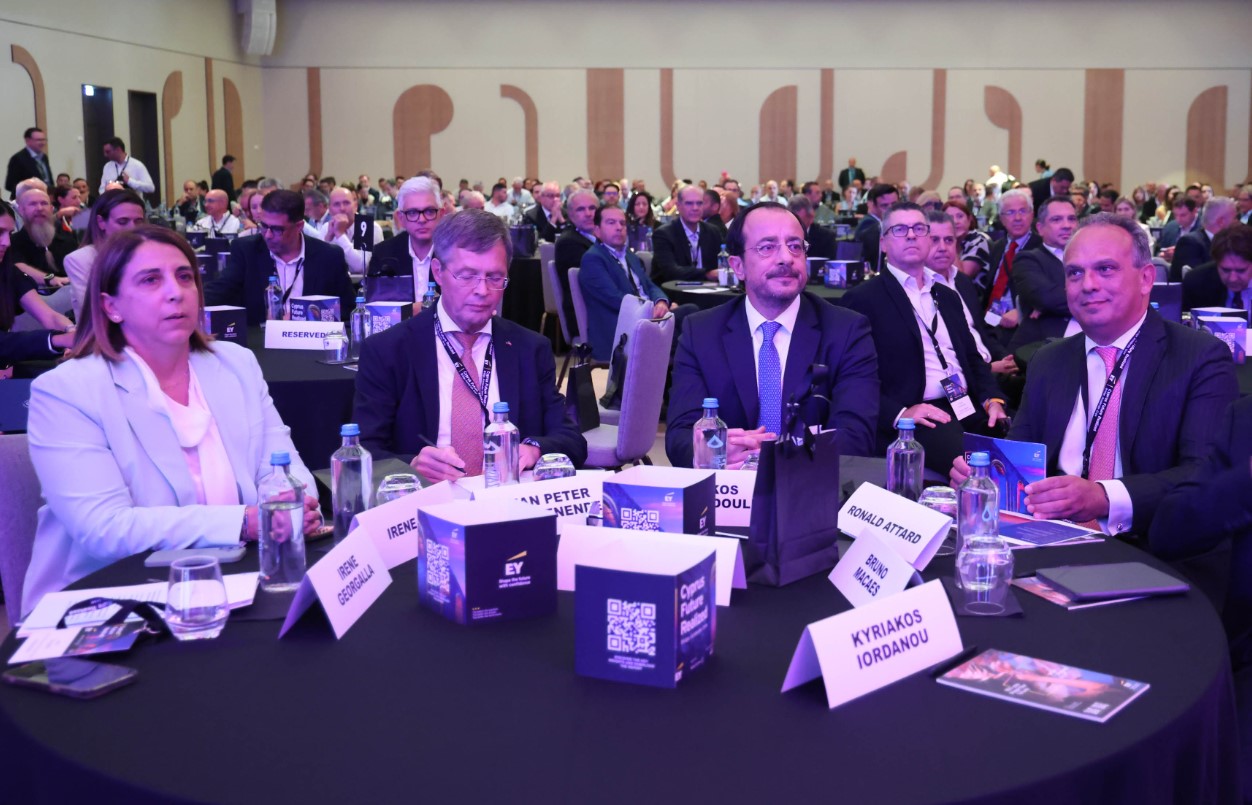
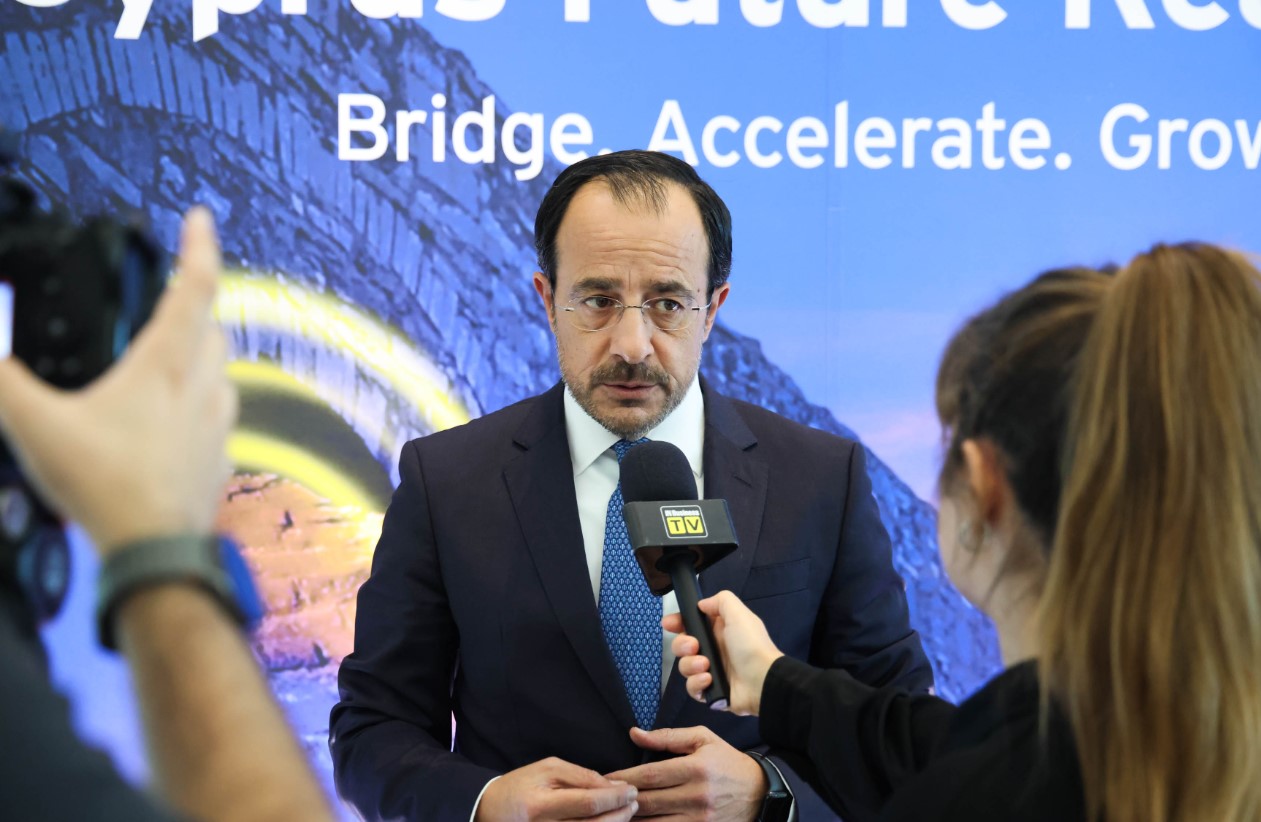
Addressing the EY Cyprus Future Realised Forum in Nicosia, Christodoulides said the increase in investment activity was strengthening confidence in Cyprus’ long-term prospects, while international companies were showing growing interest in a range of higher value-added sectors.
“Over recent years, we have seen increasing interest from international companies across a wide range of sectors, such as information and communications technologies (ICT), fintech, innovation, business services and other knowledge-intensive activities,” he said.
Christodoulides said the growing presence of the ICT sector demonstrated the transformation of Cyprus’ economic model towards higher value-added activities, which could contribute to stronger productivity growth.
At the same time, he acknowledged that Cyprus continued to face challenges in improving its competitiveness and attracting further investment.
“Energy costs, the speed of administrative procedures, the availability of specialised skills, connectivity and the need to accelerate the implementation of key infrastructure projects are areas where further progress is required,” he stated.
The president further said that the government had pursued an ambitious reform programme over the past three and a half years aimed at improving the business environment and supporting sustainable long-term growth.
The programme included tax reform, the digital transformation of the public sector and the simplification of procedures for strategic investments, he said.
Christodoulides also pointed to the creation of the Business Support Centre, which serves as a single point of contact for Cypriot and international companies and investors.
The centre was intended to help businesses complete procedures more efficiently and facilitate the establishment and expansion of their activities in Cyprus, he said.
The president also highlighted a series of infrastructure, energy and connectivity projects that he said would be essential to the country’s future competitiveness and resilience.
These included airport expansions, the upgrading of Vasilikos port, electricity interconnections and the creation of an LNG import terminal.
“These projects will also strengthen the country’s role as a regional hub for transport, trade, logistics and energy,” he said.
“Our country aims to turn geography into economic value, becoming a European and regional hub with global reach, connecting markets, investment, talent, technology and ideas,” he said.
The president also referred to efforts to improve businesses’ access to finance through the establishment of the Cyprus Business Development Organisation, with dedicated financial tools focusing on innovative start-ups.
He said the privatisation of the Cyprus Stock Exchange was also under way and was expected to strengthen the country’s capital market.
On innovation, Christodoulides highlighted cooperation with organisations including NVIDIA, Columbia University and Plug and Play, saying these partnerships were helping to expand opportunities in research, innovation and emerging technologies.
He also pointed to initiatives such as Minds in Cyprus, which aim to attract talent and strengthen the country’s human capital.
Cooperation between universities and industry would also help address the needs of an economy undergoing rapid change, he said.
“Our goals are clear, to remove the barriers that restrict investment, productivity and innovation, to make the state faster and more effective, and to create the conditions so that businesses can invest with greater confidence and greater speed,” he said.
Christodoulides said the Cypriot economy had expanded by around 10 per cent over the past three years, at a rate approximately four times higher than the European average.
He added that unemployment had fallen to 3.6 per cent, while employment had reached historic levels.
Cyprus had also secured successive A-category credit ratings, maintained healthy public finances and strengthened the resilience of its banking sector, he said.

The president linked Cyprus’ economic ambitions to its role within the European Union and the wider region.
He said Cyprus’ presidency of the Council of the EU had provided an opportunity for the country to demonstrate its ability to “build bridges” between different European interests, between Europe and the wider region, and between policy priorities and economic opportunities.
“Our ambition as a government is clear, to build on the stability we have secured and turn it into opportunity. To bridge markets, regions, people and ideas. To accelerate the reforms, infrastructure and innovation that determine competitiveness,” he said.
The ultimate objective, Christodoulides said, was an economy that was “much more productive, more innovative, more outward-looking” and capable of creating more opportunities for future generations.
“Today, we can proudly say that Cyprus offers something increasingly valuable in an uncertain world, stability with prospects,” he said.
Christodoulides also acknowledged that the government could not build this future on its own.
In this context, he stressed the importance of cooperation with businesses, investors and society in accelerating change and creating the conditions required for sustainable growth.



Click here to change your cookie preferences