
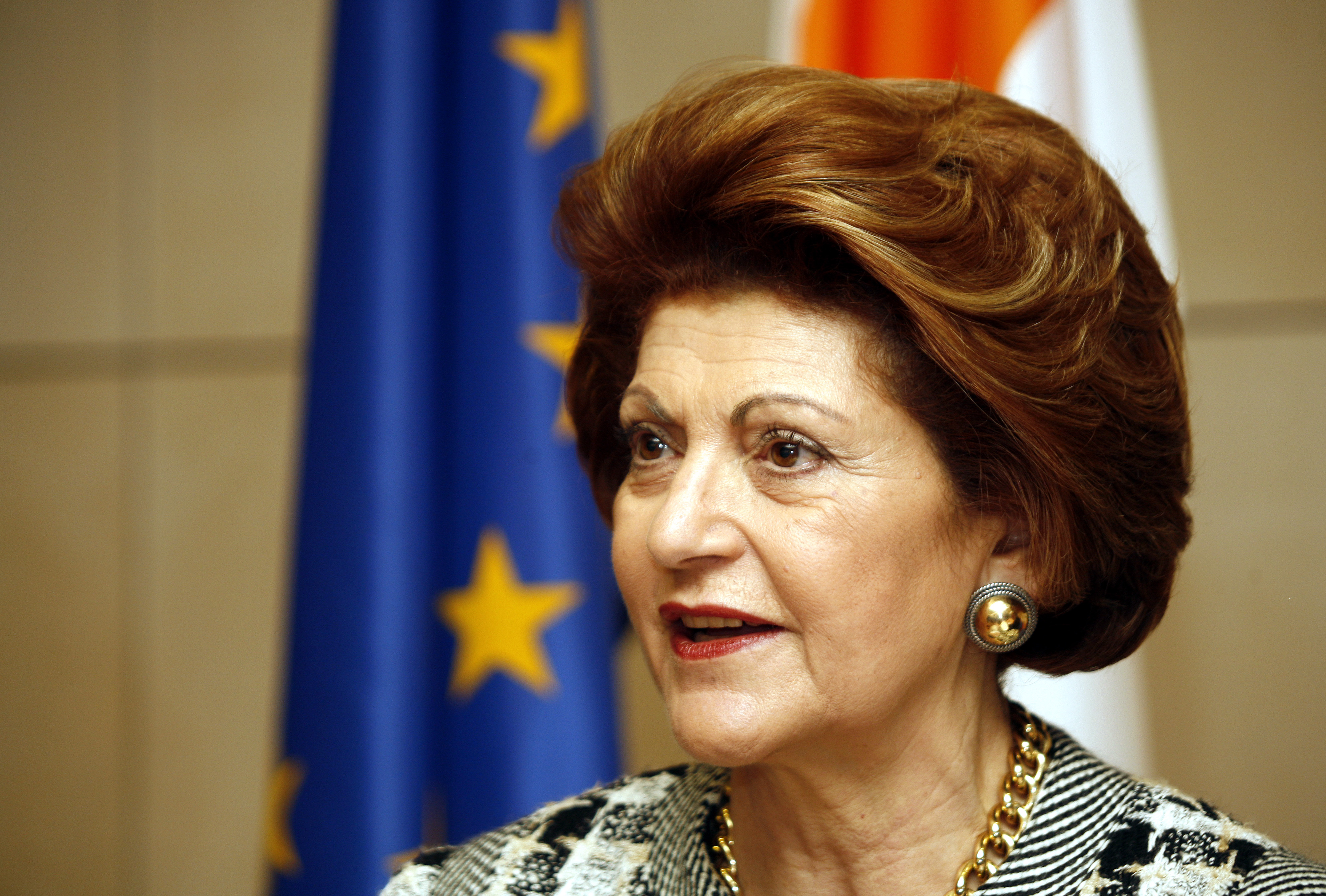
Former first ladies, Elsi Christofias and Androulla Vassiliou, are among those from whom police protection is to be withdrawn under a new system taking effect this month.
The reform also affects former House presidents, Demetris Syllouris and Yiannakis Omirou, whose security details are to be reduced.
The changes mean the cabinet will no longer decide who receives police guards, after a legal service opinion found that responsibility for assessing security risks and determining protection measures rests with the police.
The justice ministry said that all existing protection arrangements would be reassessed, with risk assessments carried out every six months or sooner where necessary.
Those currently receiving protection include former president Nicos Anastasiades, with 12 officers, House speaker Annita Demetriou with 10, Akel secretary general Stefanos Stefanou with four and Diko leader Nikolas Papadopoulos with three.
Until now Christos Christou, Marios Garoyian, Demetris Syllouris, Yiannakis Omirou and Archbishop Georgios each had two officers assigned to them, while former first ladies Elsi Christofias and Androulla Vassiliou each had one.
The reassessment is expected to result in some of these arrangements being reduced or ended where police determine that an objective security risk does not justify continued protection.
“Police guarding is a security measure and is provided where an objective risk assessment documents its necessity,” the ministry said.
The new procedure follows a review ordered by Fitiris in June, when he instructed the police security committee to reassess protection arrangements for political and state officials.
The review came after the May parliamentary elections, which changed the political landscape and raised questions over protection for figures whose parties had lost parliamentary representation, as well as arrangements for the leaders of newly elected parliamentary parties.
The ministry said that since the 1970s a practice had developed under which protection for political figures and state officials was approved by the cabinet, despite there being no specific legal provision establishing this procedure.
Following the legal service’s opinion, the police security committee will assess the risk faced by each individual and determine the necessary measures.
Its findings will then be submitted to the justice minister without requiring cabinet approval.
“All current guards and protection measures are being reassessed and will be adapted to the estimated level of risk,” the ministry said.
“Where the need for guarding is not documented, it will be terminated or changed accordingly.”
The review has already resulted in changes to some arrangements, for three officers previously assigned to former Edek president Nikos Anastasiou were withdrawn after he resigned and the party failed to secure parliamentary representation in the May election.
At the same time, the entry of Alma and Direct Democracy into parliament created new demands for police protection, with their respective leaders, Odysseas Michaelides and Fidias Panayiotou, to receive two officers each, who would also act as drivers.
Panayiotou’s position as an MEP, and the amount of time he spends abroad, was expected to be taken into account.
The protection of Christou is also being reassessed after Elam doubled its parliamentary representation from four to eight seats.
The system has been under scrutiny for several years, with an audit office report published in 2023 revealing that protection arrangements appeared to correspond closely with the electoral strength of political parties rather than individual security needs.



Click here to change your cookie preferences