
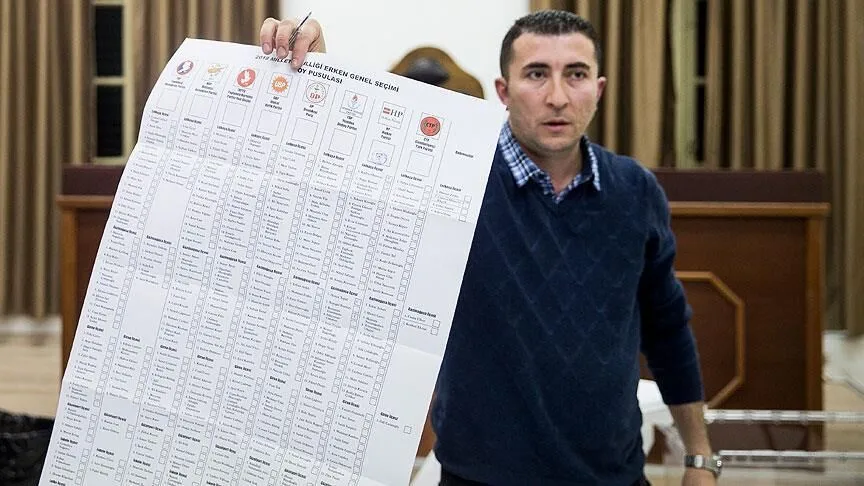
The Turkish Cypriot legislature voted on Thursday to change their voting system and do away with the “mixed voting”, meaning that voters will now only be able to choose candidates from one party when the next legislative elections are held, most likely in December.
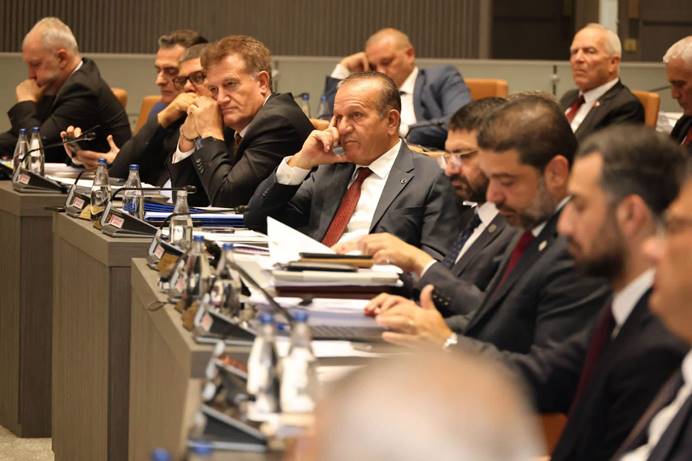
Thursday’s vote passed through the legislature with 26 votes in its favour to 19 against, with 22 members of ruling coalition party the UBP, two of its coalition partner the DP, as well as Erhan Arikli, the leader of the YDP, which left the coalition last week and independent Hasan Tosunoglu, who caucuses with the coalition, voting in favour.
Against the motion were 17 members of the CTP, as well as independents Aysegul Baybars and Jale Refik Rogers.
Mixed voting allowed voters to choose candidates from multiple parties
The “mixed voting” system allowed Turkish Cypriot voters at legislative elections to choose candidates from multiple parties, should they not wish to be confined to a single party.
Voters who chose to cast their ballot in this way were required to choose between 23 and 50 candidates overall and were required to vote for candidates either from at least two different parties, or for one party and one independent candidate.
The north is split into six electoral districts, centred in Famagusta, Kyrenia, Lefka, Morphou, northern Nicosia, Trikomo, but since the 2018 election, voters have been able to vote for candidates in all districts, meaning that a voter in Nicosia can also vote for a candidate standing in Lefka or Trikomo should they wish to do so.
In the mixed voting system, voters were not required to vote for candidates from all six districts, but were required to vote for a number of candidates corresponding to at least half the number of seats allocated to each electoral district and at most, a number of candidates corresponding to the number of seats allocated to each electoral district.
This meant that in northern Nicosia, mixed voters were required to choose between eight and six candidates, while in Famagusta, they had to choose between six and 13, in Kyrenia, between five and 11, in Trikomo, between two and five, in Morphou, between one and three and in Lefka, between one and two.
However, the system has now been abolished, with all voters set to be required to choose a party when the Turkish Cypriots next hold legislative elections.
‘Stamp’ and ‘Stamp and Preference’ are the options which remain
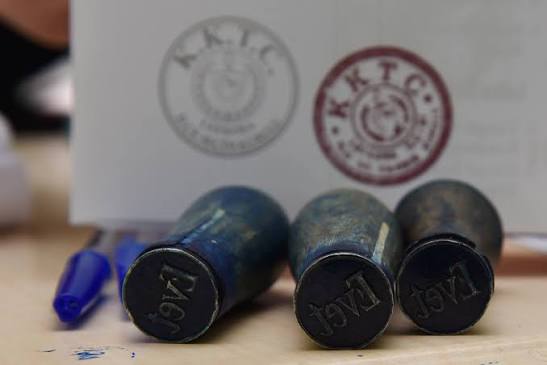
The two choices which are now available to voters are the “stamp” option, wherein voters use a stamp to indicate their party of preference and do not vote for individual candidates, or the “stamp and preference”.
The latter allows voters to choose a number of candidates corresponding to at least half the number of seats allocated to each electoral district and at most, a number of candidates corresponding to the number of seats allocated to each electoral district belonging to their party of choice, as indicated with a stamp.
In supporting the motion, UBP secretary-general Ahmet Savasan said that mixed voting had become an “industry” and that candidates from across parties would “collaborate through personal bargaining” to ensure that “the will of the voters was not fully reflected at the ballot box” at previous legislative elections.
The aim of the change, he said, “is for candidates to compete based on the vision and projects offered by the parties, not through personal bargaining”.
However, opposition party CTP leader Sila Usar Incirli criticised the fact that the change is being made so close to the election, saying that “these things cannot be done three months before an election like this”.
She said that the “correct approach” would have been “to act in agreement with all parties and work on the rules of procedure while there is still a long time until the elections”.
“The method of an election should not be changed while going into an election,” she said, before adding that “such important issues regarding the electoral system should have been handled much more carefully”.
Elections now most likely on December 6
It now appears most likely that the next legislative election will take place on December 6, with the ruling coalition having successfully passed the bill for an election to be held on that date through to the committee stage.
Once it has been passed through the committee, it will return to the legislature’s floor the next time it meets for a plenary session on October 8, when the bill’s passage will likely be followed by the legislature dissolving itself to allow for a two-month campaign ahead of that election.
The CTP had suggested that the election be held on November 8 instead, but was defeated in a vote on Thursday.
As such, the legislative elections will now likely take place on the same day as the Turkish Cypriot local elections, with Incirli warning that while her party is “ready for two elections to be held on the same day”, such a thing may cause “serious crises and disruptions”.
However, Ustel insisted that holding both elections on December 6 will be “auspicious”.





Click here to change your cookie preferences