
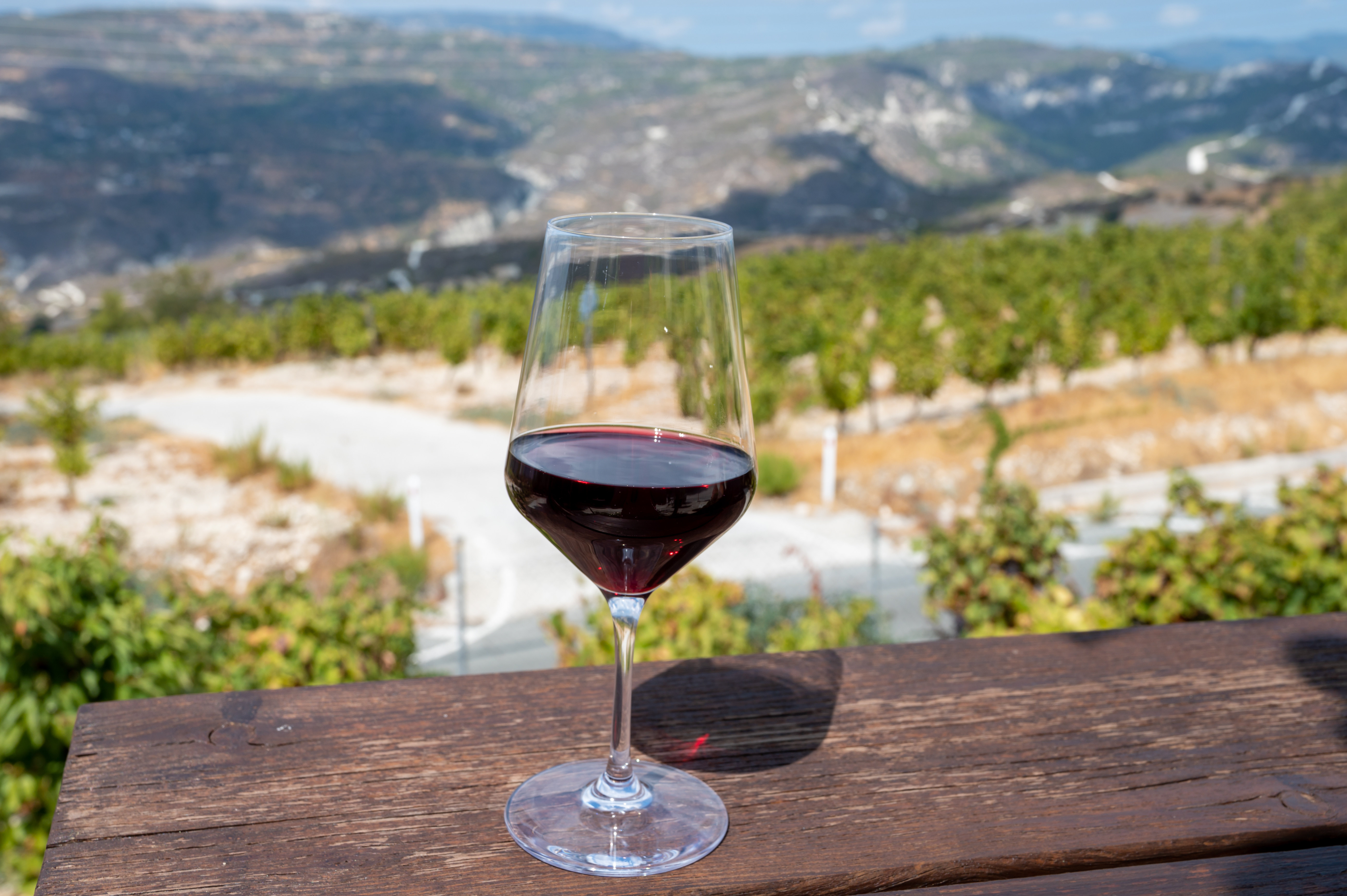
Agriculture Minister Christos Senekis is promoting an emergency state aid scheme for winegrowers affected by downy mildew.
The scheme will cover five grape varieties that recorded production losses of more than 30 per cent, with Senekis describing support for viticulture as “a constant priority of the government”.
Senekis said the submission of damage declarations under the emergency plan remains open until September 21, adding that the ministry intends to process claims as quickly as possible so affected producers can receive payment without delay.
He said an earlier scheme had already been announced covering the main varieties Mavro and Xynisteri, where average production losses across clusters of affected communities reached at least 50 per cent.
The new plan extends coverage to five additional varieties with losses exceeding 30 per cent in the same areas.
The minister said this year had brought significant difficulties for the wine sector, citing prolonged drought, extreme weather events and plant disease.
He said claims relating to downy mildew and hail damage from last May had already been assessed, while damage caused by the most recent storm in August remains under evaluation.
Senekis said around €22 million in European funding is expected by next year to support winegrowers and winemakers through the common agricultural policy’s strategic plan.
The funding will go towards restructuring vineyards with more commercially viable varieties, restoring traditional dry-stone walls, modernising wineries and promoting Cypriot wines in international markets.
“This is not, therefore, just about financial support,” Senekis assured, but rather as an investment in “the quality, resilience and perspective of Cypriot viticulture and winemaking”.
Addressing water availability, Senekis said restrictions on irrigation water present significant challenges for farmers.
He said projects worth more than €200 million are under way covering desalination and network upgrades, aimed at reducing dependence on weather conditions and bolstering resilience to climate change.





Click here to change your cookie preferences