
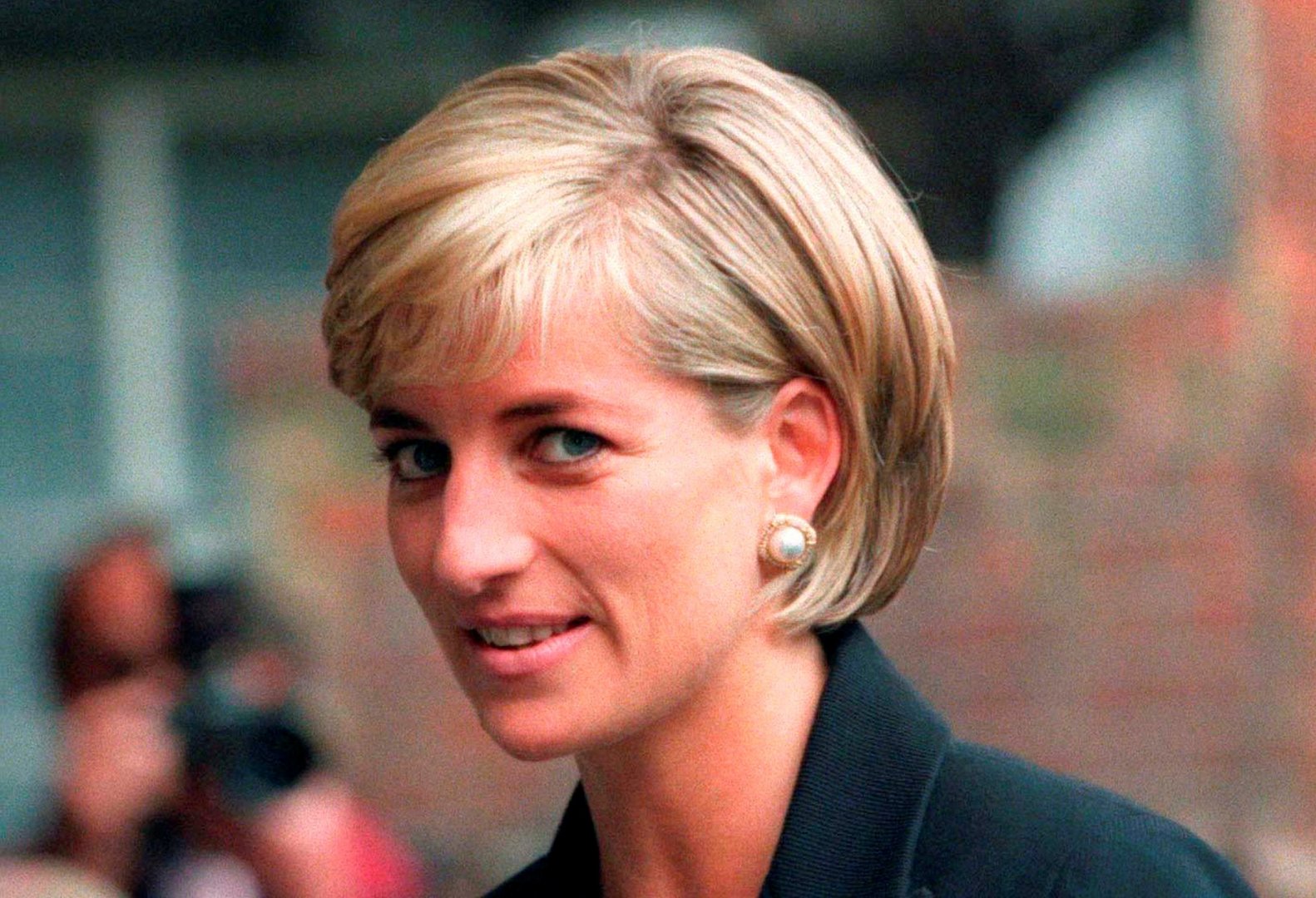
Charles Spencer’s new memoir about Princess Diana has reopened one of the royal family’s most painful chapters and prompted a rare rebuke from Buckingham Palace.
Charles Spencer, brother of the late Princess Diana, is no stranger to writing books about British kings.
His previous bestsellers include “Killers of the King” and “To Catch a King” and, while those two works focused on the 17th century, some might say his latest book is along the same lines.
“Swan Song: Diana, My Sister” will be published on Tuesday, and is his take on his sister’s life and her unhappy marriage to the now King Charles. In pre-released excerpts, Spencer claims Charles was “giddily elated” in the aftermath of Diana’s death in 1997, reopening a painful episode for the royal family.
Spencer, 62, said he wrote the book because it was his duty “as an eyewitness to history”, but his version of events has been rejected by Buckingham Palace in unusually strong terms.
Swan Song: Diana, My Sister
CHARLES SAID DIANA WOULD BE FORGOTTEN
Spencer writes that then-Prince Charles had told him “we’ll forget her soon enough” during an angry phone call after Diana’s death, following what he said had been a disagreement over whether her sons Princes William and Harry should walk behind their mother’s coffin.
Buckingham Palace took the unusual step to dispute Spencer’s account.
Asked about it in a BBC interview, Spencer said: “Those are precisely the words he said.”
CHARLES SOUNDED ‘GIDDILY ELATED’
In the book, Spencer writes that Charles had sounded “giddily elated” and “like a lottery winner” when he had called him after Diana’s death.
Spencer says that he had later suspected Charles may have been thinking about how Diana’s death could free him to marry Camilla, now his wife, though he acknowledged in a BBC interview that he could not know for certain what Charles was thinking.
SPENCER OPPOSED WILLIAM AND HARRY WALKING BEHIND COFFIN
Spencer says he had argued against plans for William and Harry, then aged 15 and 12, to walk in Diana’s funeral procession through London because he then believed she would not have wanted them subjected to the ordeal.
QUEEN ELIZABETH OFFERED TO RESTORE DIANA’S ROYAL TITLE
Spencer says that Queen Elizabeth, through her private secretary, had offered to posthumously restore Diana’s “Her Royal Highness” title on the day of her funeral.
According to the book, Spencer rejected the offer, saying it had come too late.
DIANA CONSIDERED CALLING OFF HER WEDDING TO CHARLES
Spencer writes that his sister had considered ending her engagement to Charles before their 1981 wedding because she feared he did not love her.
He says she had raised her concerns with their father but ultimately proceeded with the marriage.
DIANA HAD THOUGHTS ABOUT SUICIDE
Spencer wrote that “in her later years, Diana drove herself more than once to Beachy Head, the highest chalk sea cliff in England, while contemplating ending it all”.
“Her love for her sons stopped her from going further,” he said in his book.
CHARLES WAS ‘IN LOVE WITH HIS VALET’
According to his book, Spencer said that he had met Diana for lunch when she told him she was going to get divorced from Charles.
When he warned her that the public might not forgive her, he said she told him: “But, Carlos, my husband is in love with his valet.”
Spencer said he did not know who the person was and why she would believe “such an improbable thing”. Asked about it in the BBC interview, Spencer said: “I know Diana said that to me and that’s why I recorded it … I can absolutely swear that she said those words to me.”
WHY SPENCER WROTE THE BOOK
Spencer, 62 and only three years apart from his sister, told the BBC he wrote the memoir because he felt it was his “duty” as an “eyewitness to history” and wanted to record what he believes is a truthful account of Diana’s life before the 30th anniversary of her death.
He told the BBC that he knew “lots of things about the king which I chose not to include”, saying the book would be his last word on the matter.
“The pain of fraternal grief can cloud reason, affect judgment and colour memory,” it said, in a statement that added to the publicity surrounding the book.
Growing up in Diana’s shadow
Spencer was born into a British aristocratic family, with close links to the royal family. The late Queen Elizabeth was his godmother.
He was 17 when his 20-year-old sister, fast becoming the most photographed woman in the world, married the then-Prince Charles in a fairytale wedding in 1981. Spencer told CNN in an interview some years later how at the time he was more interested in “exams and playing my sports at school” than the global event.
The wider world, however, was fascinated by the young couple, who went on to have two sons, William in 1982 and Harry two years later. But behind the scenes, the relationship unravelled.
“I didn’t fully understand actually how very difficult things were for her at times,” Spencer told Good Morning America in an interview before the book was released.
“That’s one of my regrets. I wish I could have done more to help her.”
By the early 1990s, Diana’s unhappiness was making headlines across the world, and she and Charles were using the media to brief against each other. They divorced in 1996.
Diana’s death and a defining eulogy
A year later, she was killed, aged 36, in a Paris car accident as she was pursued by photographers. Spencer used a much-lauded eulogy at her funeral to tell an estimated 2 billion people watching around the world that her “particular brand of magic” meant she would “never be extinguished from our minds”.
His words were applauded by the tens of thousands of people who listened on loudspeakers in the streets of London, but some of his comments about how Diana’s goodness was “threatening” and how her “blood family” would need to protect her sons, made uncomfortable listening for the royal family.
New allegations reopen royal wounds
Whatever goodwill between the two families remained after Diana’s death will likely have been lost after Spencer’s new allegations about King Charles, which have reignited talk about one of the most damaging periods in the royal family’s modern history.
He writes that Charles said of Diana “we’ll forget her soon enough”, before shouting at Spencer for suggesting the then 15-year-old William and 12-year-old Harry, should not be expected to walk behind her coffin at the funeral.
Spencer stands by his account
Spencer, who has seven children from three different wives and married his fourth wife earlier this year, hit back at Buckingham Palace’s questioning of his memory.
“It was astonishingly provocative and below the belt because it was essentially trying to say I’d lied without the King being able to deny what I’d said,” he told the Daily Mail.
After studying history at the University of Oxford in the early 1980s, Spencer worked for US broadcaster NBC News for a decade, presenting lifestyle and travel programmes.
He inherited the family’s 30-bedroom ancestral mansion in central England in 1992, when his father died, and started writing history books in the late 1990s, one of which was shortlisted for an award and many of which were top sellers.
His publishing career has helped pay for the restoration of the Althorp estate, which has been in his family for five centuries and where Diana is buried.
In 2024, he published a memoir, “A Very Private School”, that detailed his experience of sexual abuse, neglect and isolation while at boarding school as a child.
“When looking at the wreckage of my first and second marriages, I learned early in therapy that being sent away to boarding school at eight years of age meant that I had next to no understanding of intimacy,” he writes in that book.


Click here to change your cookie preferences