
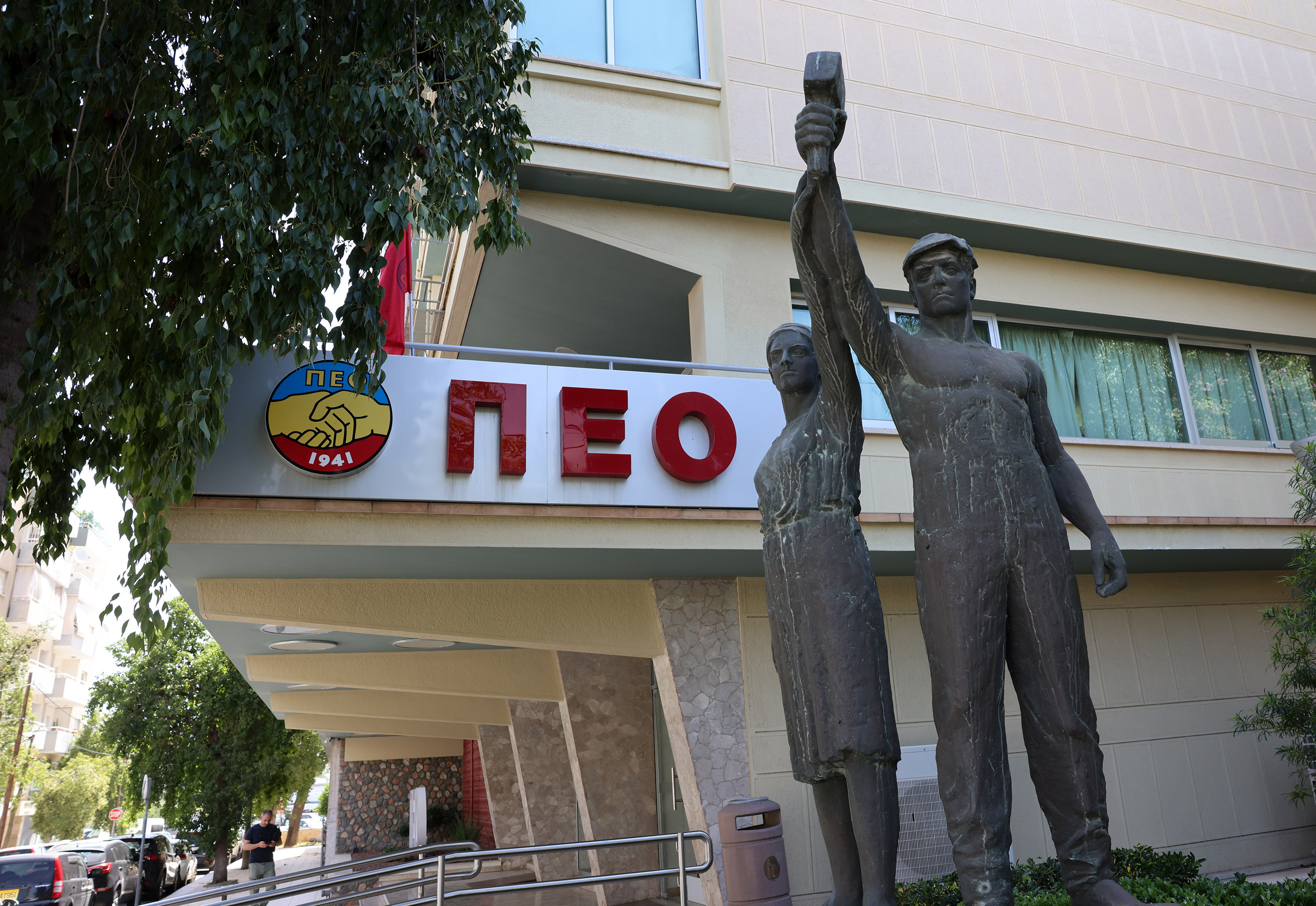
Hourly-paid government staff on Tuesday warned the government against altering its current plans for their union representatives to meet President Nikos Christodoulides next week, saying that should those plans change, they may go on strike.
The government and trade unions had agreed last week that a strike which had been planned to go ahead last Thursday over plans to freeze their pay for three years, would be called off after Christodoulides had agreed to meet them next Monday.
However, trade union Pasykek-Peo has now warned that “the suspension of strike measures last week was not a blank cheque”, and that it still wishes to hold “intensive and substantive meetings” with Finance Minister Makis Keravnos “in the coming days” to find an agreement.
That agreement, it said, should “pave the way for an immediate improvement in wages and starting salaries”.
“We will not accept a violation of the timetable which was set by the president, nor any deviation from what was agreed upon at the meeting at the presidential palace,” it said.
It stressed on this front that it “remains steadfast in the principles and demands which were set from the beginning” and “will not take a single step back from the goal of improving wages and starting salaries”.
Last week, the finance ministry had said the unions’ demands could cost the taxpayer €23 million per year, and that at present, the median salary for hourly staff stands at €2,113 per month – above the national median of €1,968.
However, fellow trade union Oekdy-Sek leader George Constantinou said that hourly government workers’ pay had only increased by 1.5 per cent since 2009.
Meanwhile, Deok leader Andreas Antoniou said that some staff earn as little as €867 per month and said that “there is no lower salary in our country today”.



Click here to change your cookie preferences